

The Birth of the Bureau: FBI Founded
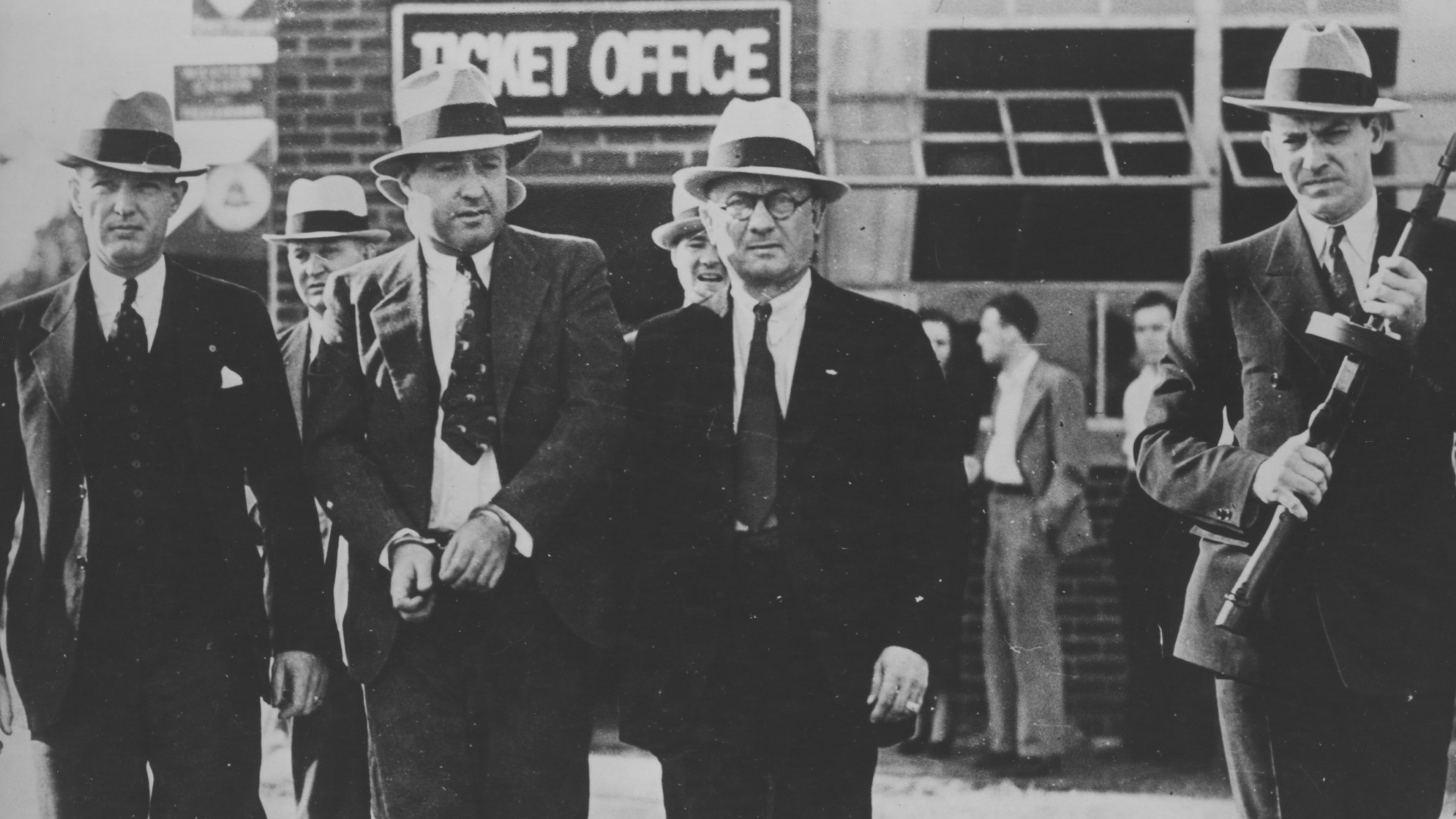
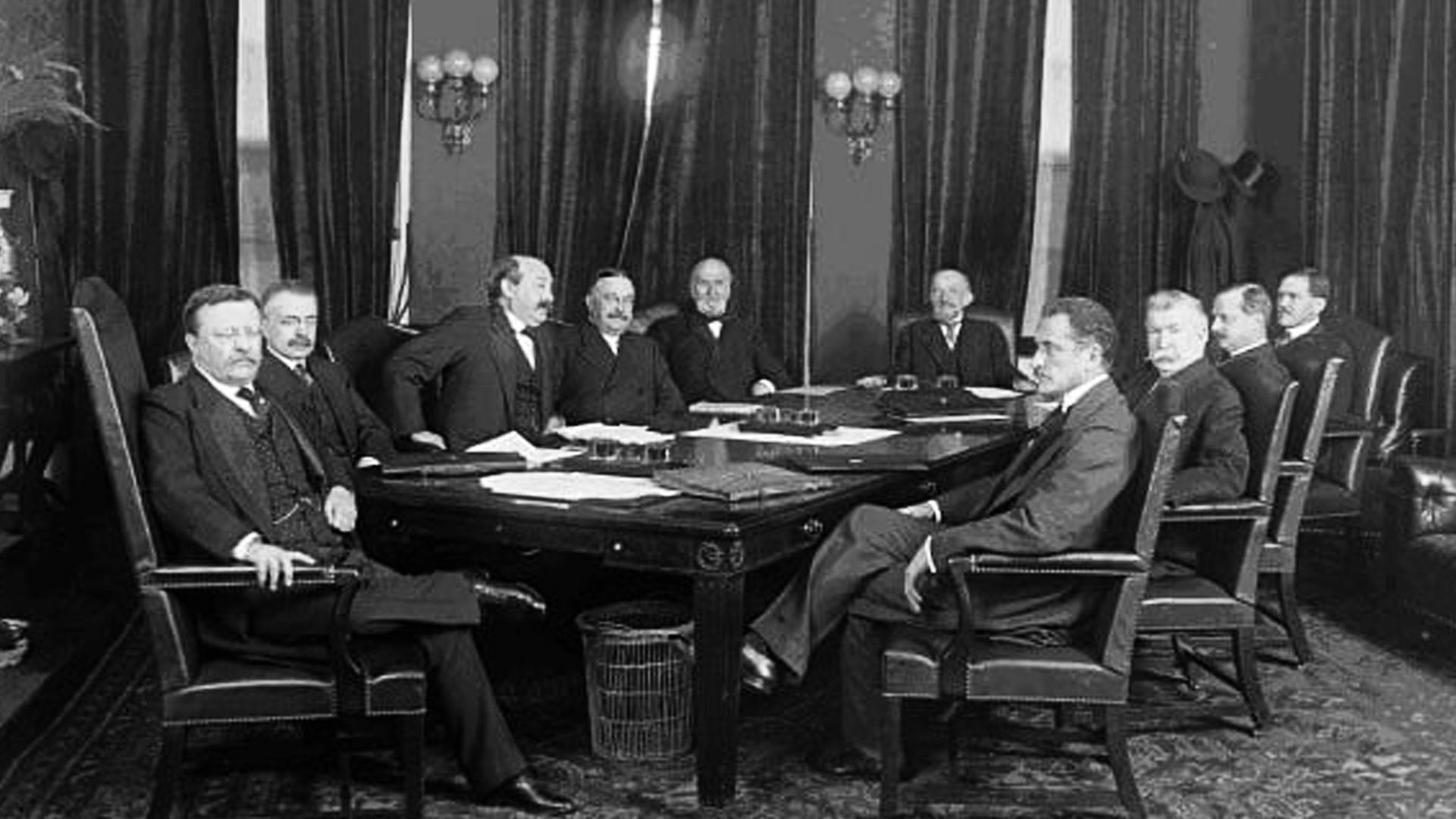
Vintage photo of early FBI agents
What Happened?
When the Department of Justice was created in 1870, it had no investigative team. That changed on July 26, 1908, when Attorney General Charles Bonaparte assembled a new squad of federal agents. One year later, it was renamed the Bureau of Investigation, and by 1935, it became the FBI.
Under J. Edgar Hoover, who took control in 1924, the FBI exploded in size and influence. He professionalized federal policing with tools like fingerprint databases, crime labs, and intensive agent training. Hoover also turned the bureau into a national propaganda machine. The media loved the 'G-Men', especially when they gunned down gangsters like John Dillinger and 'Machine Gun' Kelly during Prohibition.
But behind the headlines, the bureau developed a dark side. Hoover launched domestic surveillance operations against anyone he deemed a threat, from civil rights leaders like Martin Luther King Jr. to leftist organizers, Native activists, and anti-war protesters. Through COINTELPRO, the FBI infiltrated, discredited, and disrupted legal organizations, violating constitutional rights in the name of national security.
By the late 1960s, critics across the political spectrum began to question the unchecked power of Hoover’s FBI. After his death in 1972 and the fallout from the Watergate scandal, Congress finally placed limits on the bureau’s reach. Still, new scandals emerged—from protecting corrupt presidents to surveilling Black Lives Matter activists in the 21st century.
Today, the FBI sits at the intersection of democracy and secrecy. It investigates hate crimes and public corruption, but also faces scrutiny for overreach, political bias, and abuses of surveillance power. With over 56 field offices and agents around the globe, the bureau remains one of the most powerful and polarizing arms of the U.S. government.
Why It Matters
The FBI began as a modest investigative unit. It became a mirror of American power: efficient, ambitious, and often conflicted. Its rise is a cautionary tale about what happens when law enforcement gains influence without equal accountability. Understanding the FBI’s legacy means asking hard questions about justice, civil liberties, and who decides what counts as 'dangerous.'
?
Why was the FBI created instead of relying on existing agencies like the Secret Service?
How did J. Edgar Hoover shape the FBI’s tactics, culture, and public image?
What were the goals and consequences of COINTELPRO?
How has the FBI’s role in surveillance changed in the post-9/11 era?
What mechanisms exist today to check the FBI’s power—and are they working?
Dig Deeper
From surveillance of MLK to Watergate to 21st-century controversies, this deep dive explores the complicated and often shadowy history of America’s most powerful federal agency.
Related
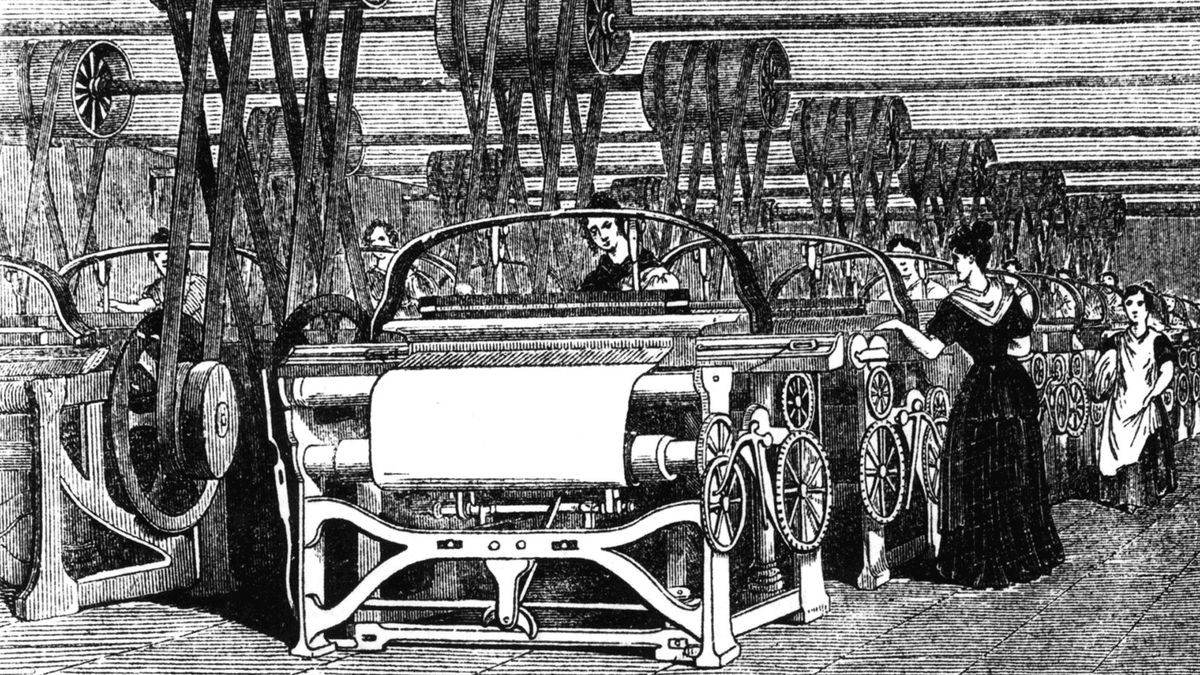
Early Industry and Economic Expansion (1800–1850)
From gold mines in North Carolina to textile mills and telegraphs, discover how the Market Revolution transformed the way Americans lived, worked, and connected in the early 19th century.
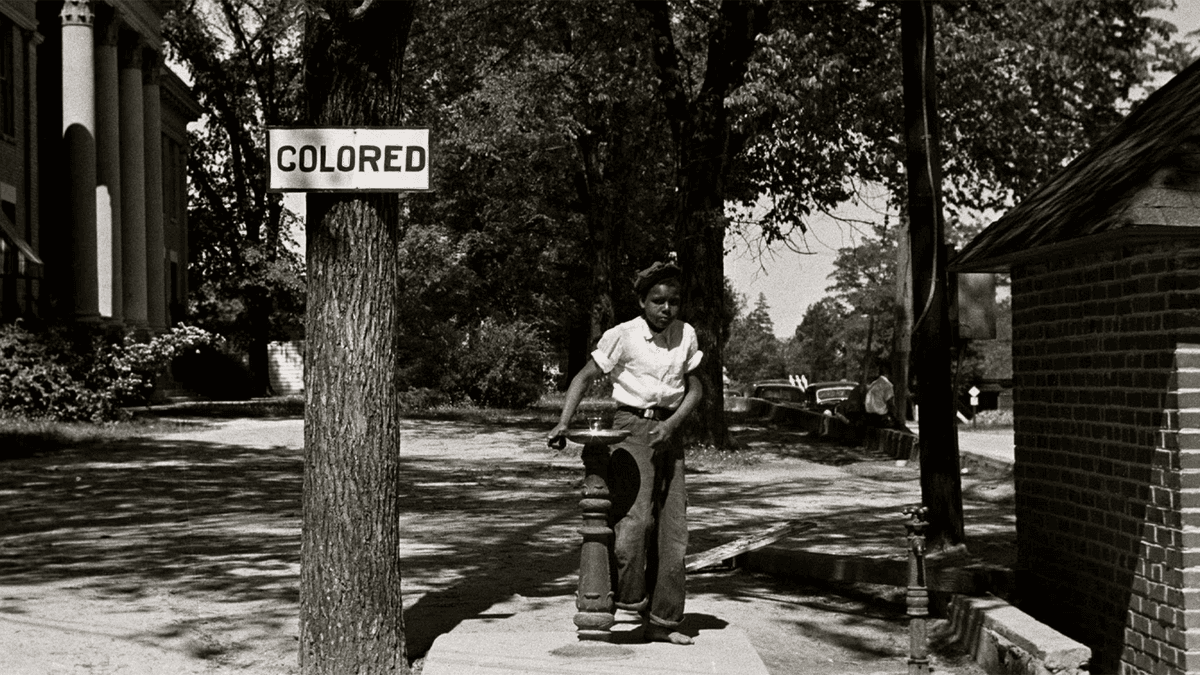
Jim Crow and Plessy v. Ferguson
After Reconstruction, the South built a legal system to enforce racial segregation and strip African Americans of political power. The Supreme Court’s Plessy v. Ferguson decision in 1896 made 'separate but equal' the law of the land—cementing injustice for decades.

What Is History? Thinking Like a Historian
History is more than memorizing dates—it is the study of people, evidence, choices, and the forces that shape our world.
Further Reading
Stay curious!