

Teapot Dome: A Cabinet Official Convicted
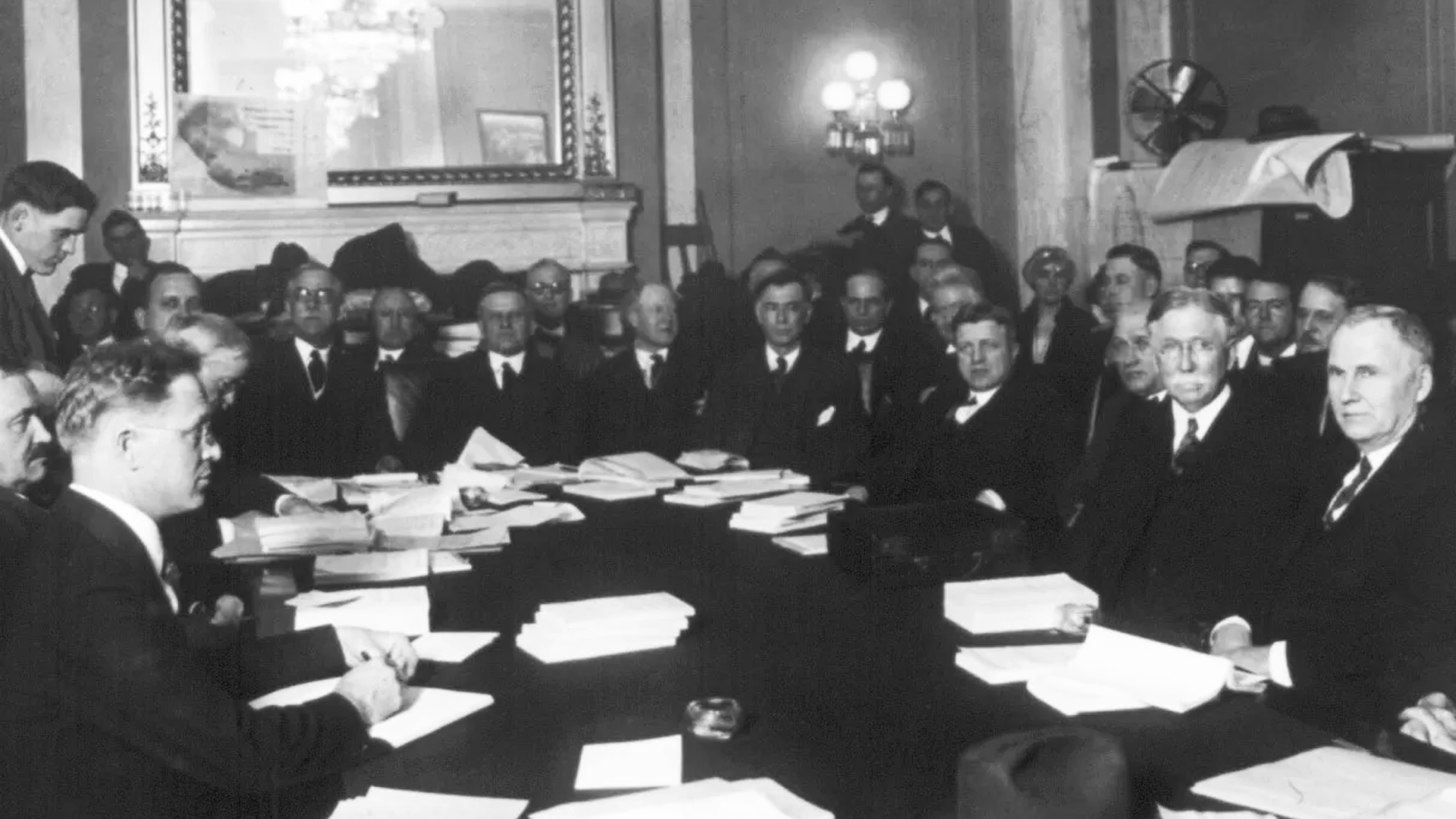
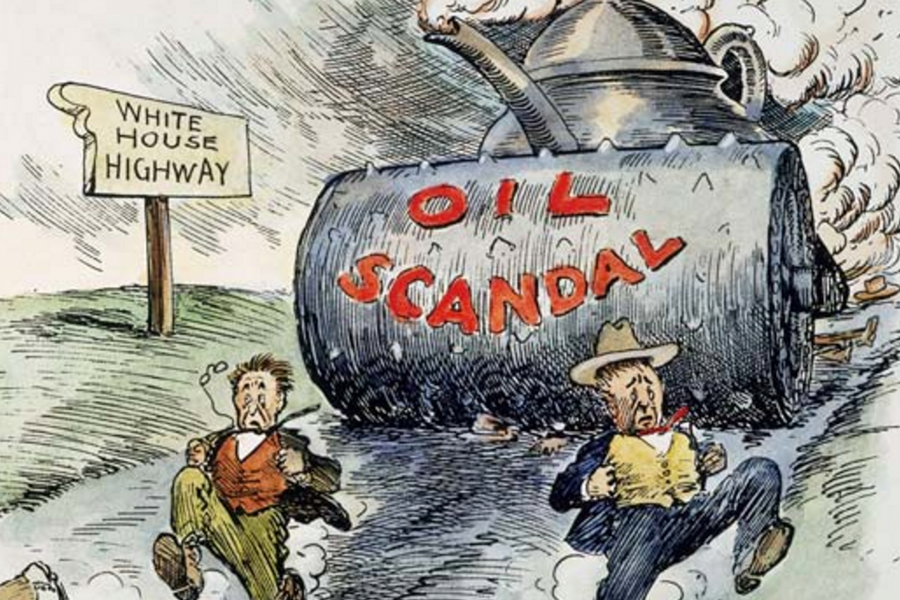
Teapot Dome became a national symbol for government corruption.
What Happened?
At the start of the 1900s, America’s leaders recognized that oil had become as vital to national defense as gunpowder once was. To protect the nation’s future fuel supply, Presidents Theodore Roosevelt and William Howard Taft set aside special oil fields as naval reserves, public lands meant to ensure the Navy’s access to energy during war. Among them was Wyoming’s Teapot Dome, named for its distinctive rock formation, and California’s Elk Hills.
When President Warren G. Harding took office in 1921, he appointed Albert B. Fall as Secretary of the Interior. Fall was a former senator from New Mexico with strong ties to wealthy industrialists. He convinced Harding to transfer control of the naval oil reserves from the Navy to his department, promising to manage them efficiently. But instead of protecting these public lands, Fall used his new authority to secretly lease them to private oil companies in exchange for personal gain.
Without competitive bidding or public oversight, Fall granted exclusive leases to two powerful oilmen: Harry Sinclair of Mammoth Oil and Edward Doheny of Pan-American Petroleum. In return, Sinclair and Doheny quietly funneled hundreds of thousands of dollars to Fall—money disguised as 'loans' and delivered in cash and Liberty Bonds. The arrangement was hidden behind closed doors, but Fall’s sudden wealth, used to pay debts and expand his ranch, sparked suspicion.
Journalists began investigating, and independent oil producers, angry they’d been shut out of the deals, pressured Congress to act. The Senate’s Public Lands Committee launched a major inquiry led by Senator Thomas J. Walsh of Montana. Walsh’s methodical work became legendary. He pored through piles of documents, interviewed witnesses, and uncovered evidence that Fall had traded public resources for personal enrichment. His investigation transformed what might have been a forgotten scandal into a national reckoning.
In 1927, the Supreme Court ruled that the Teapot Dome and Elk Hills leases were obtained illegally and restored the oil fields to the government. The Court’s decision also reaffirmed Congress’s right to investigate the executive branch, strengthening a fundamental principle of checks and balances that keeps government accountable. Two years later, Albert Fall was found guilty of bribery, becoming the first cabinet official in U.S. history convicted of a felony committed while in office.
Teapot Dome rocked the nation’s trust in government. It revealed how easily power and greed could corrode democracy when oversight was weak. For decades, 'Teapot Dome' became shorthand for high-level corruption. When later scandals emerged, like Watergate in the 1970s, Americans measured them against the scale of Fall’s betrayal. It was a reminder that democracy only works when leaders serve the public good, not private interests.
Beyond its political drama, the scandal helped define the modern idea of government ethics. It showed why transparency, fair bidding, and financial disclosure matter. It led to reforms in how federal contracts were managed and underscored that natural resources belong to the people, not to those in power. The case also empowered investigative journalism and solidified the Senate’s ability to hold the executive branch accountable, a cornerstone of democratic governance.
Why It Matters
The Teapot Dome scandal mattered far beyond the oil fields, it reshaped Americans’ understanding of government integrity. It proved that no office, not even a cabinet seat, places someone above the law. By exposing bribery at the highest levels of power, the case reinforced the importance of transparency, ethics, and oversight in a democracy. The Senate’s investigation, led by Senator Thomas Walsh, demonstrated how persistent inquiry can protect the public interest and restore faith in government. The Supreme Court’s decision to void the leases confirmed that public resources belong to the people, not private corporations. Teapot Dome became a cautionary tale, reminding future generations that democracy demands vigilance: without accountability and truth-seeking, corruption can take root even in the nation’s most trusted institutions.
?
Why were the Teapot Dome and Elk Hills oil fields set aside for the Navy in the first place?
What is a 'no-bid lease,' and why can it be risky for the public?
How did Senator Thomas J. Walsh and the Senate investigation uncover the bribery?
What did the Supreme Court decide about the illegal leases and Congress’s power to investigate?
How does the Teapot Dome scandal help us understand checks and balances today?
Dig Deeper
How secret oil leases, bribes, and bold investigations reshaped public trust and congressional oversight.
Related
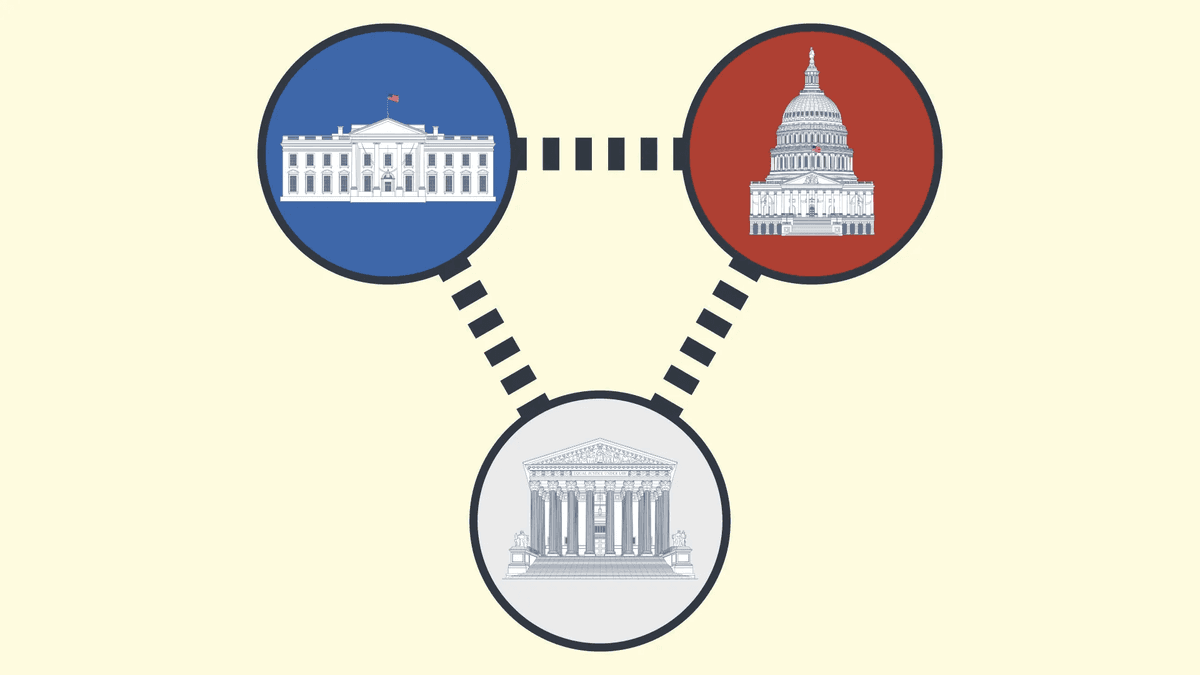
Separation of Powers
The U.S. Constitution divides power among three branches—legislative, executive, and judicial—to prevent tyranny and keep government balanced.

The First Amendment: America’s Blueprint for Freedom
The First Amendment protects freedoms of speech, religion, press, assembly, and petition. It’s the foundation of American democracy—but also a source of constant debate and interpretation.
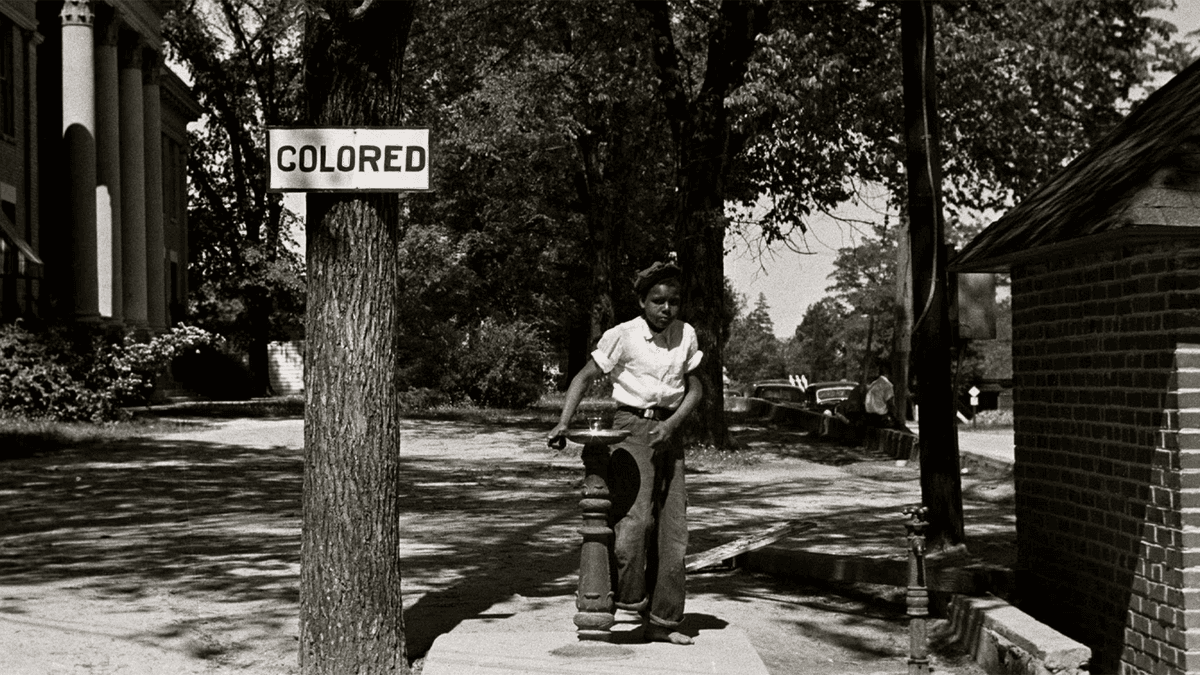
Jim Crow and Plessy v. Ferguson
After Reconstruction, the South built a legal system to enforce racial segregation and strip African Americans of political power. The Supreme Court’s Plessy v. Ferguson decision in 1896 made 'separate but equal' the law of the land—cementing injustice for decades.
Further Reading
Stay curious!