

The Fall of Joseph McCarthy: When the Senate Said 'Enough'
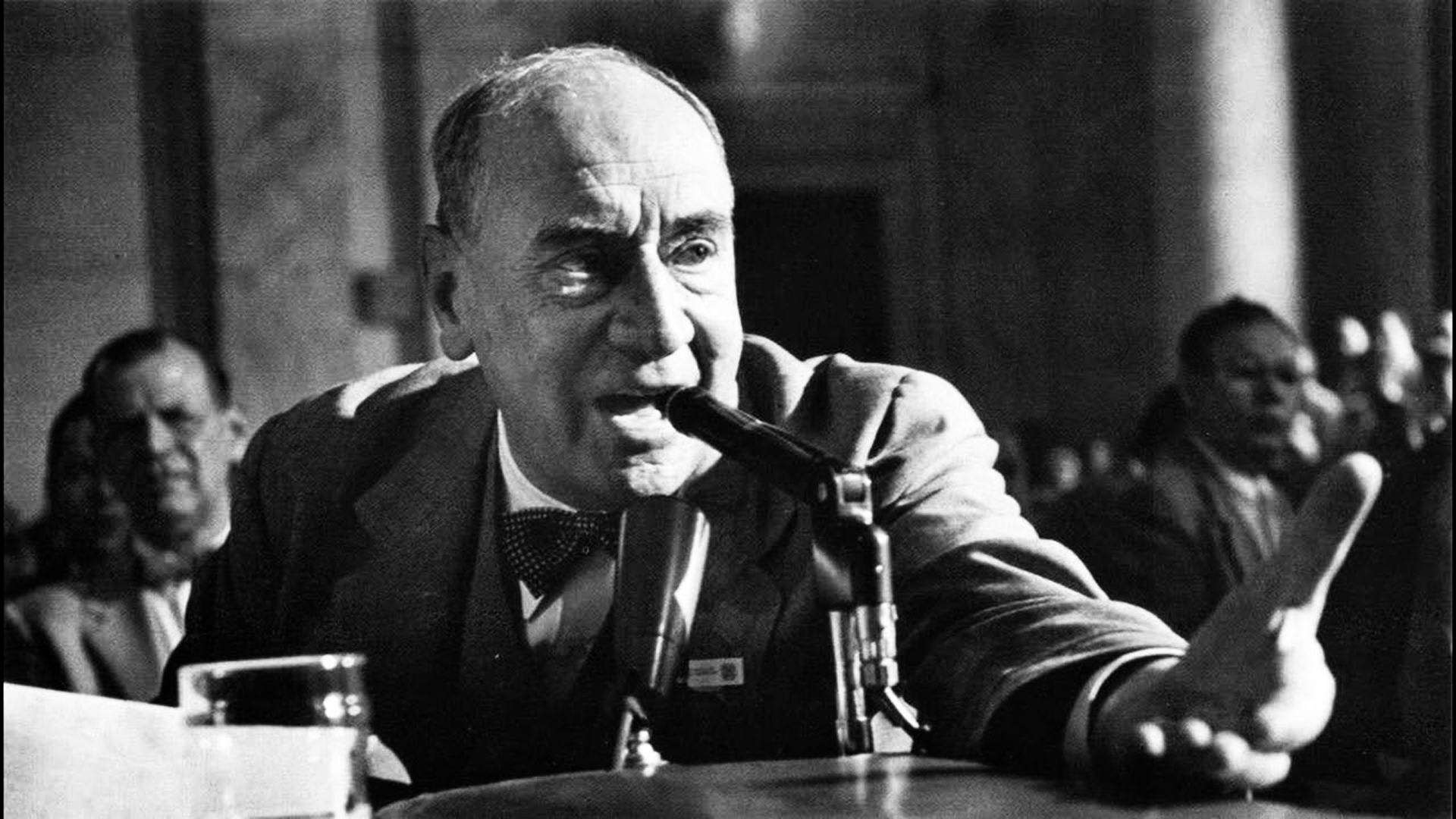
Senator Joseph McCarthy speaking during a televised hearing in 1954.
What Happened?
On November 1, 1954, the U.S. Senate took a rare and historic step to formally admonish Senator Joseph McCarthy for his reckless and slanderous conduct. For years, McCarthy had fueled national paranoia during the Cold War by claiming, without evidence, that communists had infiltrated the U.S. government. His accusations ruined reputations, cost people their jobs, and created a climate of fear that spread through classrooms, newsrooms, and even movie studios.
McCarthy’s rise began in 1950 when he claimed to have a list of over 200 supposed communists in the State Department. Although he never produced the list, his aggressive questioning and dramatic speeches made him one of the most powerful and feared politicians in America. He accused teachers, artists, and government workers of being disloyal, often using half-truths or no evidence at all. Many Americans, worried about the spread of communism, believed him.
His downfall began when he turned his attacks toward the U.S. Army, accusing it of harboring communists. The Army-McCarthy hearings, broadcast live on national television, allowed Americans to see his behavior for themselves. Millions of viewers watched as McCarthy shouted over witnesses, twisted their words, and insulted anyone who dared to disagree with him. His bullying style and disregard for fairness shocked the nation.
The turning point came when Army attorney Joseph Welch, defending one of his young assistants, confronted McCarthy with the now-famous question: 'Have you no sense of decency, sir, at long last?' The audience erupted in applause, and the moment shattered McCarthy’s carefully crafted image. The public saw him not as a hero protecting America, but as a man spreading fear and cruelty in its name.
As the evidence of his misconduct mounted, senators from both parties decided to act. On November 1, 1954, the Senate formally admonished McCarthy for behavior 'contrary to senatorial traditions,' including slander, abuse of witnesses, and contempt toward his colleagues. The vote was a public rejection of his tactics and a reminder that power in a democracy comes with accountability.
The Senate’s action signaled the beginning of the end for McCarthy’s influence. His colleagues stripped him of his committee chairmanship, his credibility evaporated, and the press turned against him. Within three years, he died at the age of 48, his name forever tied to one of the darkest chapters in American political history.
The Senate’s admonishment of McCarthy remains a powerful example of democratic self-correction. It showed that even when fear and propaganda take hold, truth and justice can prevail. The era of McCarthyism serves as a lasting warning: when leaders use lies and intimidation to divide the nation, it is the responsibility of institutions and the people to stand up for integrity and decency.
Why It Matters
The Senate’s admonishment of Joseph McCarthy marked a defining moment when American democracy pushed back against fear and falsehood. It reminded the nation that freedom depends not just on security from outside threats, but on honesty and accountability within. McCarthy’s slander campaigns showed how easily fear can be turned into a political weapon and how dangerous it is when truth takes a back seat to accusation. The Senate’s decision to condemn his actions restored faith in democratic checks and balances and set a precedent that no one, not even a powerful senator, is above ethical responsibility. This event remains a warning about the power of words, the importance of critical thinking, and the need for courage when confronting injustice in public life.
?
What was the Red Scare, and how did it create the environment for McCarthy’s rise to power?
Why did the televised Army-McCarthy hearings change public opinion?
What does it mean when someone is 'censured' by the Senate?
How can fear and suspicion be used as political tools?
What lessons from McCarthy’s story are still relevant in modern politics?
Dig Deeper
During the Army-McCarthy hearings, Joseph Welch confronted Senator McCarthy in a moment that helped turn public opinion against him.
Historian Ellen Schrecker explains how fear and political ambition fueled the McCarthy era and its long-term effects on civil liberties.
Related
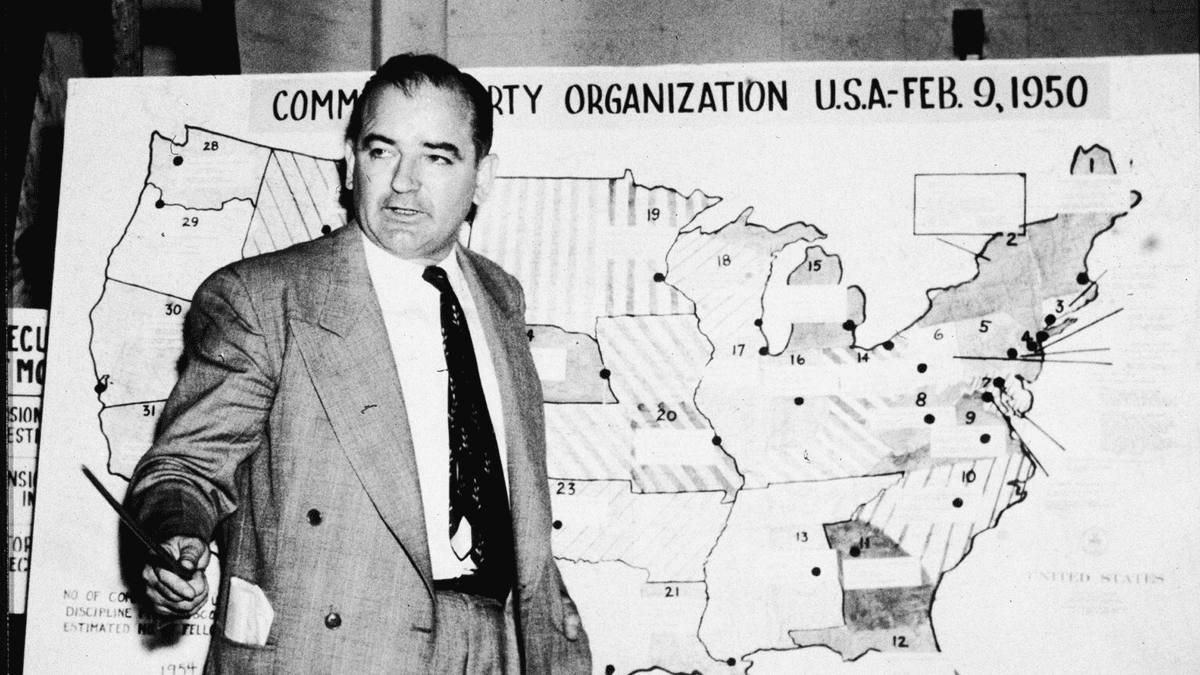
McCarthyism: Fear, Power, and the Red Scare
In the 1950s, fear of communism gripped America. Senator Joseph McCarthy fueled this fear by accusing hundreds of people of being communist traitors—often without proof. The result was a national panic that tested the meaning of truth, justice, and freedom.
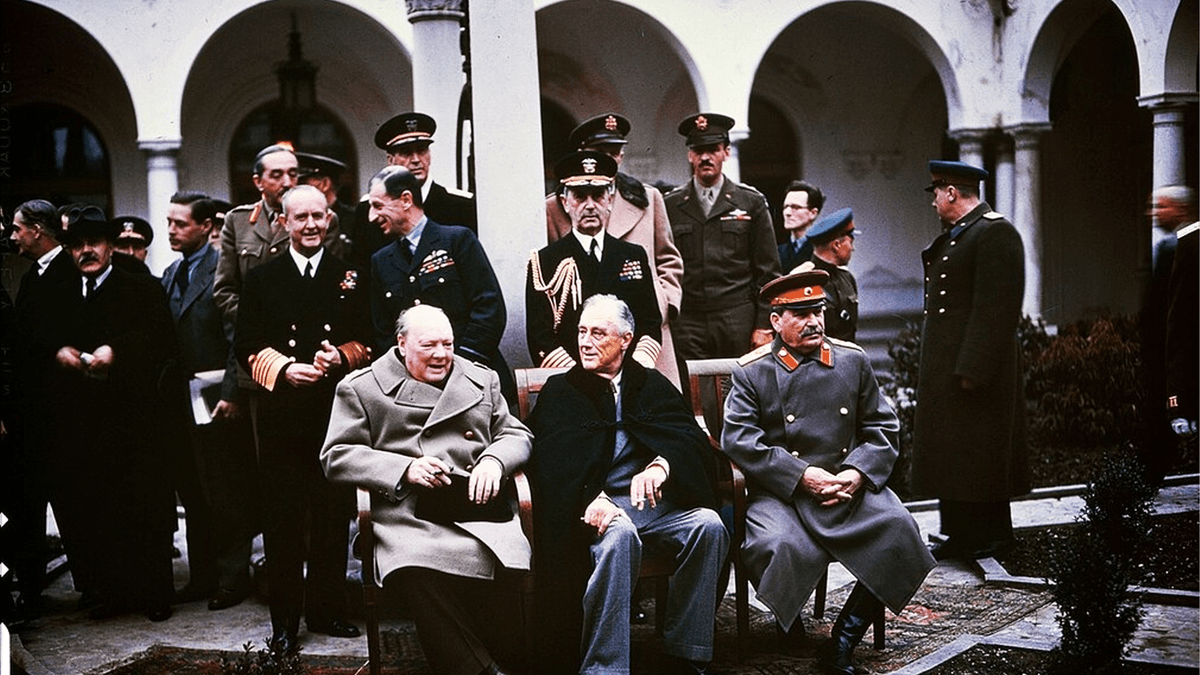
The Cold War & Fear at Home: Ideology, Power, and Public Anxiety
A global rivalry shaped by fear, ideology, and the constant tension between freedom and security.

The Gulf of Tonkin Incident: A Turning Point in the Vietnam War
A disputed naval encounter that led to full-scale U.S. involvement in Vietnam—and raised lasting questions about power, truth, and war.
Further Reading
Stay curious!