

Susan B. Anthony Votes—and Gets Arrested

Susan B. Anthony casting her illegal ballot in 1872, surrounded by election officials.
What Happened?
On November 5, 1872, Election Day, Susan B. Anthony walked into a barbershop in Rochester, New York and demanded to vote. At the time, women in America had no legal right to do so. The U.S. Constitution didn't yet recognize women as voters, and most states explicitly restricted the right to men. But Anthony believed that the 14th Amendment, which declared that all citizens were entitled to equal protection under the law, already gave her that right.
When the local election officials hesitated, Anthony challenged them: Was she not a citizen? Did the Constitution say that citizenship was limited to men? Her argument left them speechless. After some debate, they decided to register her, and 14 other women who joined her in protest. When Anthony cast her ballot for President Ulysses S. Grant, she knew she was making history, and she knew there would be consequences.
Two weeks later, a U.S. marshal arrived at Anthony’s home with an arrest warrant. True to her principles, she insisted on being arrested “properly,” just like a man. Her crime: voting illegally. At her trial in June 1873, Anthony argued that she had not broken the law at all. She quoted the Constitution, declared her rights as a citizen, and reminded the judge that “resistance to tyranny is obedience to God.”
But the court had already made up its mind. Judge Ward Hunt instructed the jury to find her guilty without even allowing them to deliberate—a clear violation of her right to a fair trial. Anthony was fined $100, which she refused to pay. “I shall never pay a dollar of your unjust penalty,” she told the court—and she never did.
Her defiant stand turned her trial into a national event. Newspapers across the country printed her speeches, and the suffrage movement gained new strength. Anthony’s courage gave other women a model for civil disobedience, a peaceful but powerful way to challenge unjust laws.
Although Anthony never lived to see women win the right to vote (she died in 1906) her efforts helped make it possible. In 1920, nearly fifty years after her arrest, the 19th Amendment to the U.S. Constitution was ratified. It guaranteed that no one could be denied the right to vote based on sex. The amendment became known as the Susan B. Anthony Amendment, honoring the woman who had risked her freedom for the right to be heard.
Anthony’s single vote became a symbol of something much bigger: the belief that equality under the law must include every citizen, and that democracy is only real when everyone has a voice.
Why It Matters
Susan B. Anthony’s act of voting in 1872 wasn't just about one ballot, it was about the meaning of citizenship and the courage to challenge injustice. Her arrest and trial exposed the hypocrisy of a democracy that excluded half its citizens from participating. By defying the law peacefully, she forced the nation to confront its contradictions and pushed forward a movement that would transform American society. Her story reminds us that progress often begins with one person’s decision to say, 'This isn’t fair—and I will not accept it.'
?
Why did Susan B. Anthony believe the 14th Amendment gave her the right to vote?
How did her arrest and trial help the women’s suffrage movement gain attention?
What is civil disobedience, and how did Anthony use it as a tool for change?
Why was the 19th Amendment named after Susan B. Anthony?
What lessons about fairness and equality can we learn from Anthony’s story today?
Dig Deeper
A look at why Susan B. Anthony’s simple act of voting became one of the most important moments in the fight for women’s rights.
Exploring how Susan B. Anthony and other reformers worked together to expand democracy in the United States.
Related
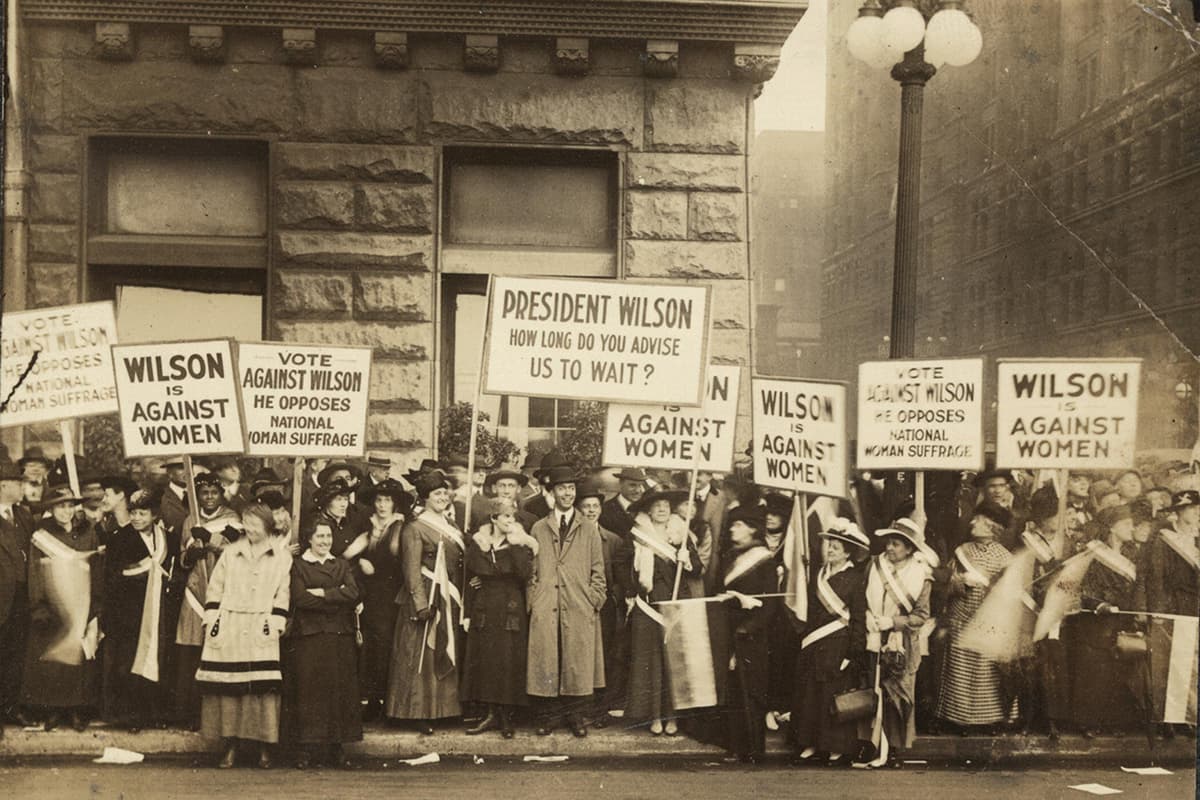
Votes for Women: The Fight for the 19th Amendment
It took more than 70 years of protests, petitions, and picket lines to win the right for women to vote in the United States. The 19th Amendment didn’t just expand democracy—it redefined it.
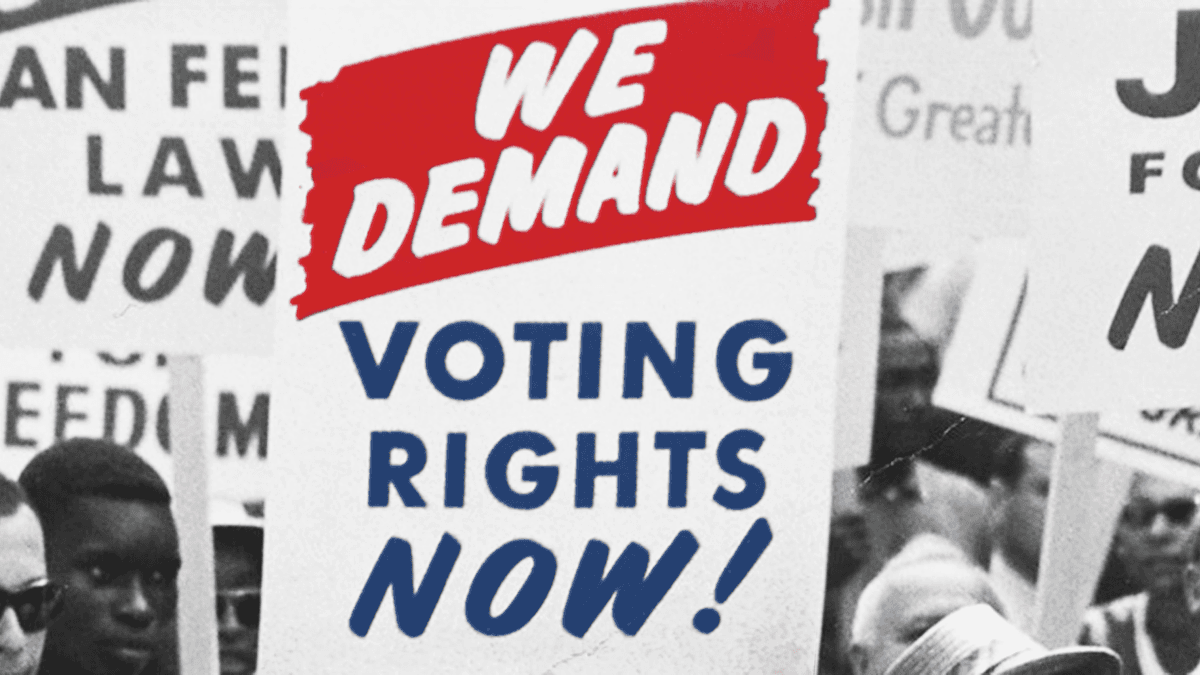
Universal Suffrage in the United States
The right to vote wasn’t handed to everyone—it was fought for, over centuries, by people demanding that democracy actually mean everyone has a voice.
Fair and Unfair Laws: Justice, Equality, and the Power of Rules
Laws shape how societies function, but not all laws are fair. Understanding the difference between fair and unfair laws helps citizens protect justice and equality.
Further Reading

Stay curious!