

Robin Hood and the Green Feather Rebellion
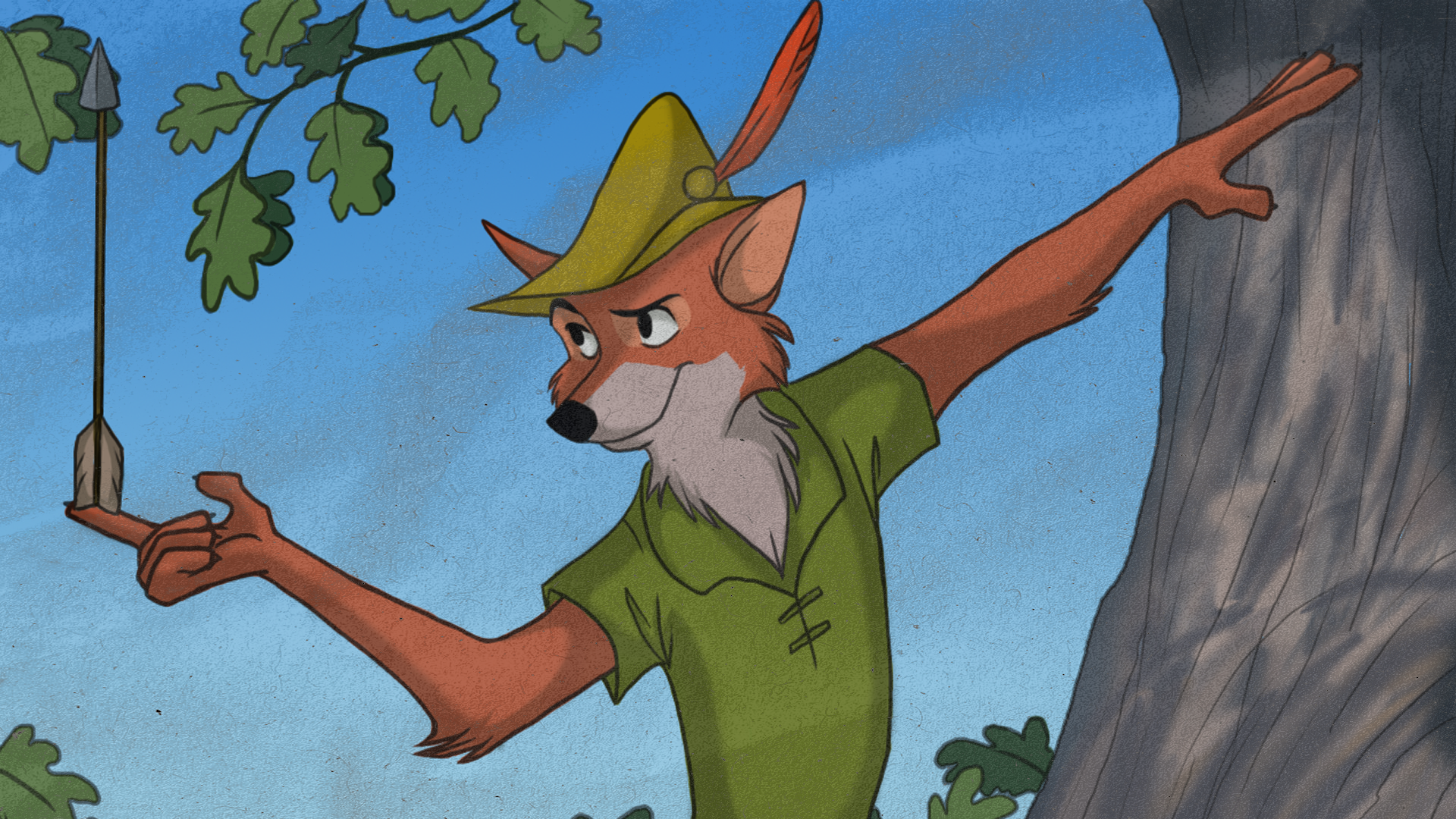
On November 13, 1953, an Indiana Textbook Commission member claimed that Robin Hood was promoting communism.
What Happened?
In the fall of 1953, America was deep in the grip of the Cold War. The fear of communism had turned into a nationwide panic known as the Red Scare. People were accused of being un-American for their beliefs, their art, or even their choice of books. And in Indiana, one official took that fear to a new level by declaring that the legend of Robin Hood was communist propaganda.
Mrs. Thomas J. White, a member of the Indiana Textbook Commission, claimed that teaching students about Robin Hood encouraged communist ideas because the outlaw 'robbed from the rich and gave to the poor.' In her view, this famous story was spreading dangerous values that undermined law and order. The statement was meant to protect students—but instead, it sparked national ridicule.
Across the state, educators and citizens pushed back. Indiana’s governor defended religious groups that White also criticized, and school officials reviewed the story only to conclude that Robin Hood wasn't, in fact, plotting a Marxist revolution. Newspapers in the Soviet Union mocked the accusation, and even the modern sheriff of Nottingham reportedly protested, insisting that 'Robin Hood was no communist.'
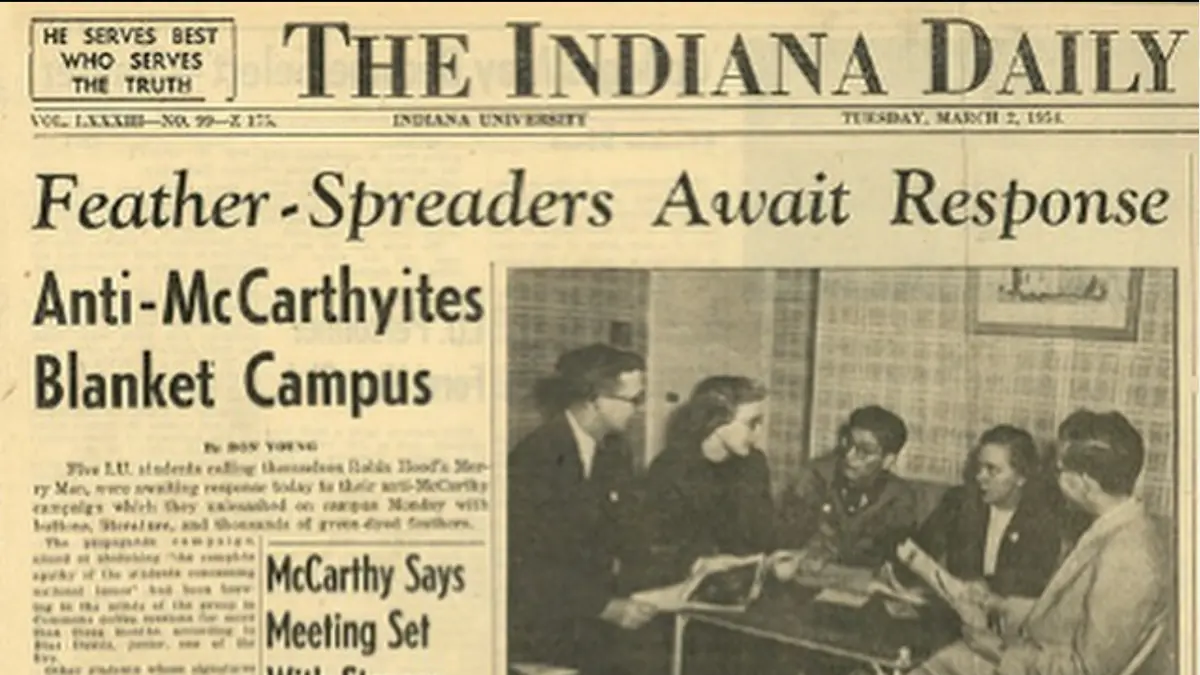
But the debate didn’t end there. In early 1954, five students at Indiana University decided to fight censorship with creativity. They dyed chicken feathers bright green—the color of Robin Hood’s cap—and handed them out on campus as a symbol of free thought and protest. They called it the Green Feather Movement, a nod to the outlaw who had inspired both suspicion and solidarity.
The movement grew quickly. Students across the country—from Harvard to UCLA—joined in, wearing green feathers to stand against censorship and political fear. Their protest was peaceful, funny, and powerful. It made people think about how far the country had drifted from its ideals of freedom and fairness.
The Green Feather Movement became one of the earliest examples of organized student activism during the Cold War. These young people risked being labeled 'un-American' or even investigated by the FBI. But they refused to stay silent, proving that dissent could be both principled and creative.
Although the movement faded within a year, its message endured. The students’ protest showed that education should be about curiosity, not control. Their act of courage became a reminder that freedom of expression—and even the right to tell old stories—must be protected from fear and political manipulation.
Looking back, the Robin Hood controversy may seem absurd, but it teaches a lasting lesson: ideas cannot be silenced by paranoia. In standing up for a story, those students stood up for democracy itself.
Why It Matters
The Robin Hood book ban and the Green Feather Movement show how fear can twist even the simplest stories into political threats—and how courage and humor can reclaim the truth. During the Red Scare, when people were punished for their opinions, a handful of students reminded America what freedom really means. Their protest became an early example of how young voices can challenge censorship and shape public conscience. It calls on each generation to protect education, question authority, and keep the pursuit of knowledge free from fear.
?
Why did some people in the 1950s believe Robin Hood’s story was dangerous?
How did the Green Feather Movement use creativity and humor to make a serious point?
What risks did students take when they protested during the McCarthy era?
Why is freedom of speech and access to information important in a democracy?
Can you think of modern examples where people have protested censorship or book bans?
Dig Deeper
Cries to remove books from classrooms and library shelves isn'thing new. Some of what has shifted are the storylines, characters and authors being silenced.
Advocates are sounding the alarm about a set of measures that they say target teaching and writing related to LGBTQ issues, race and freedom of speech.
Disney’s playful take on the legend of Robin Hood reminds audiences why stories about justice and fairness have resonated for centuries.
Related
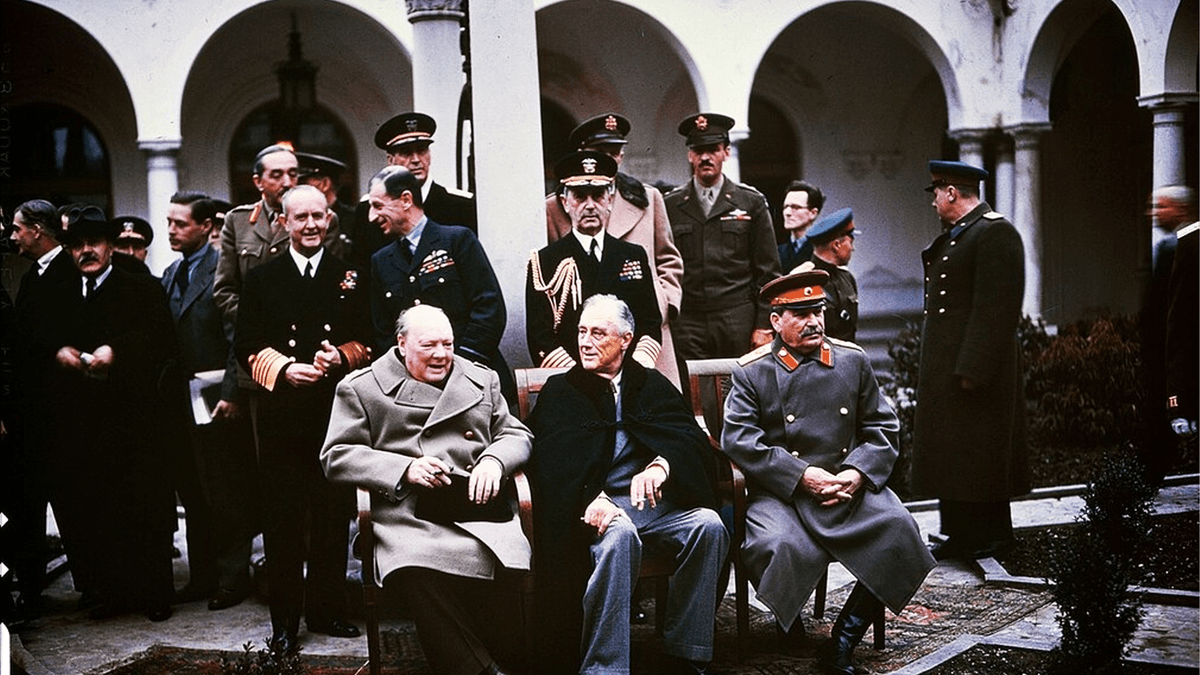
The Cold War & Fear at Home: Ideology, Power, and Public Anxiety
A global rivalry shaped by fear, ideology, and the constant tension between freedom and security.
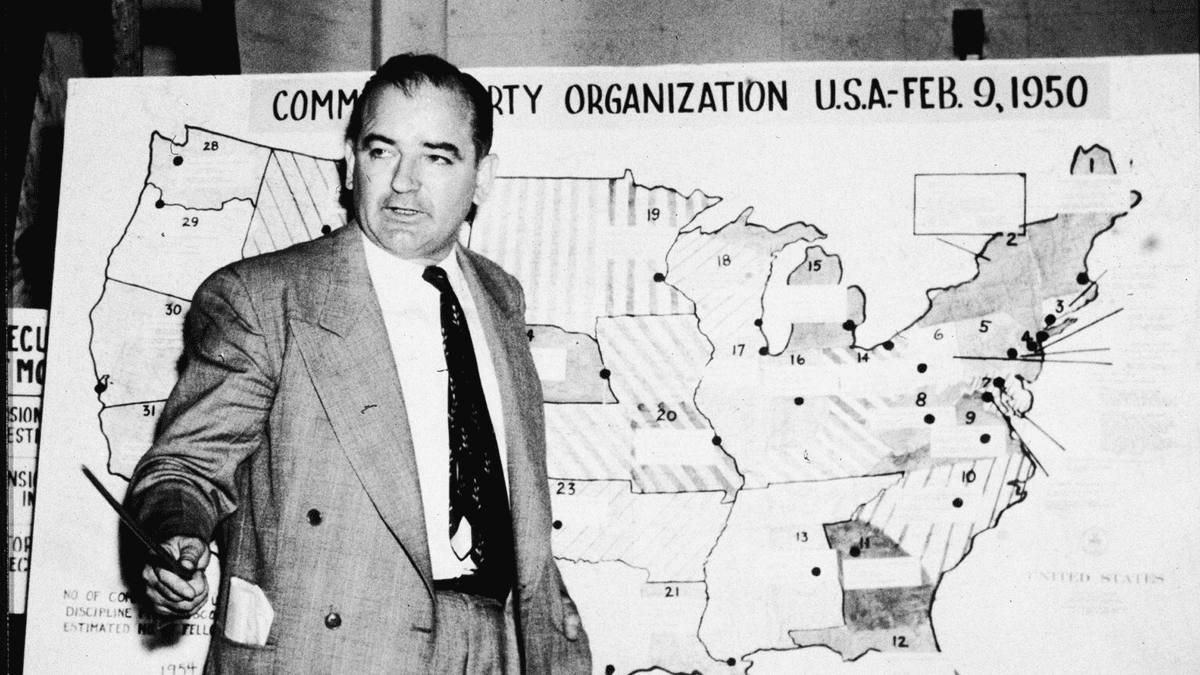
McCarthyism: Fear, Power, and the Red Scare
In the 1950s, fear of communism gripped America. Senator Joseph McCarthy fueled this fear by accusing hundreds of people of being communist traitors—often without proof. The result was a national panic that tested the meaning of truth, justice, and freedom.
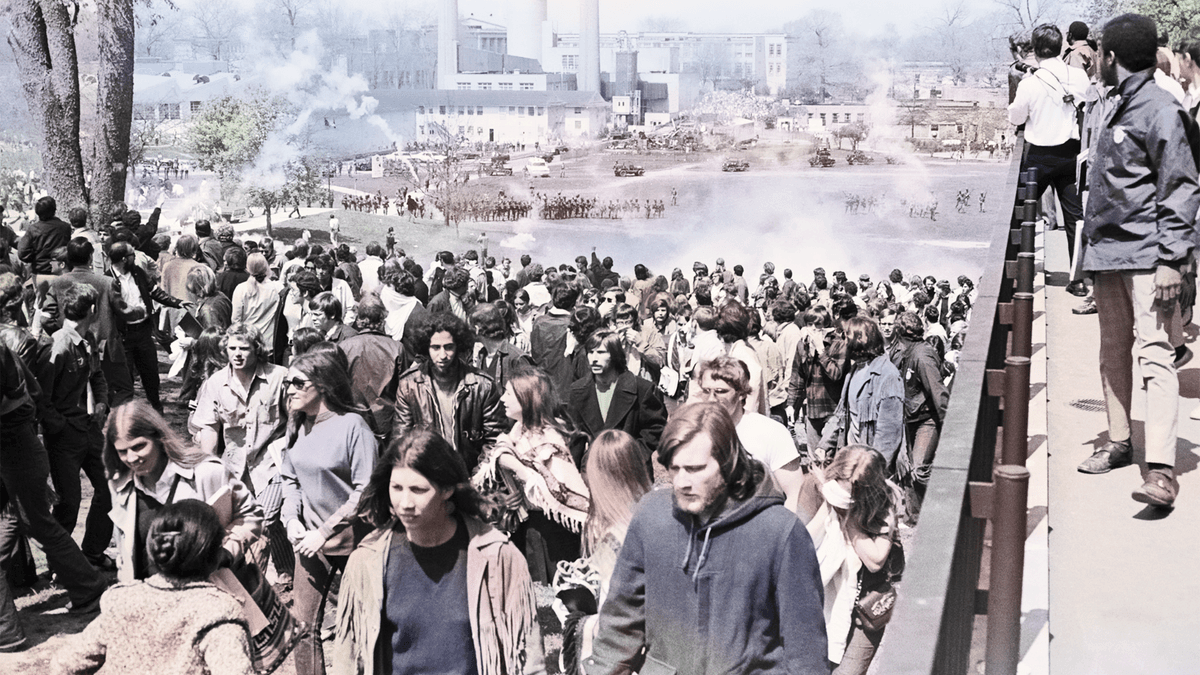
Kent State Shootings: When Protest and Power Collided
A moment when the Vietnam War reached American soil—and exposed the deep divisions within the nation.
Further Reading
Stay curious!