

The Ballinger-Pinchot Scandal
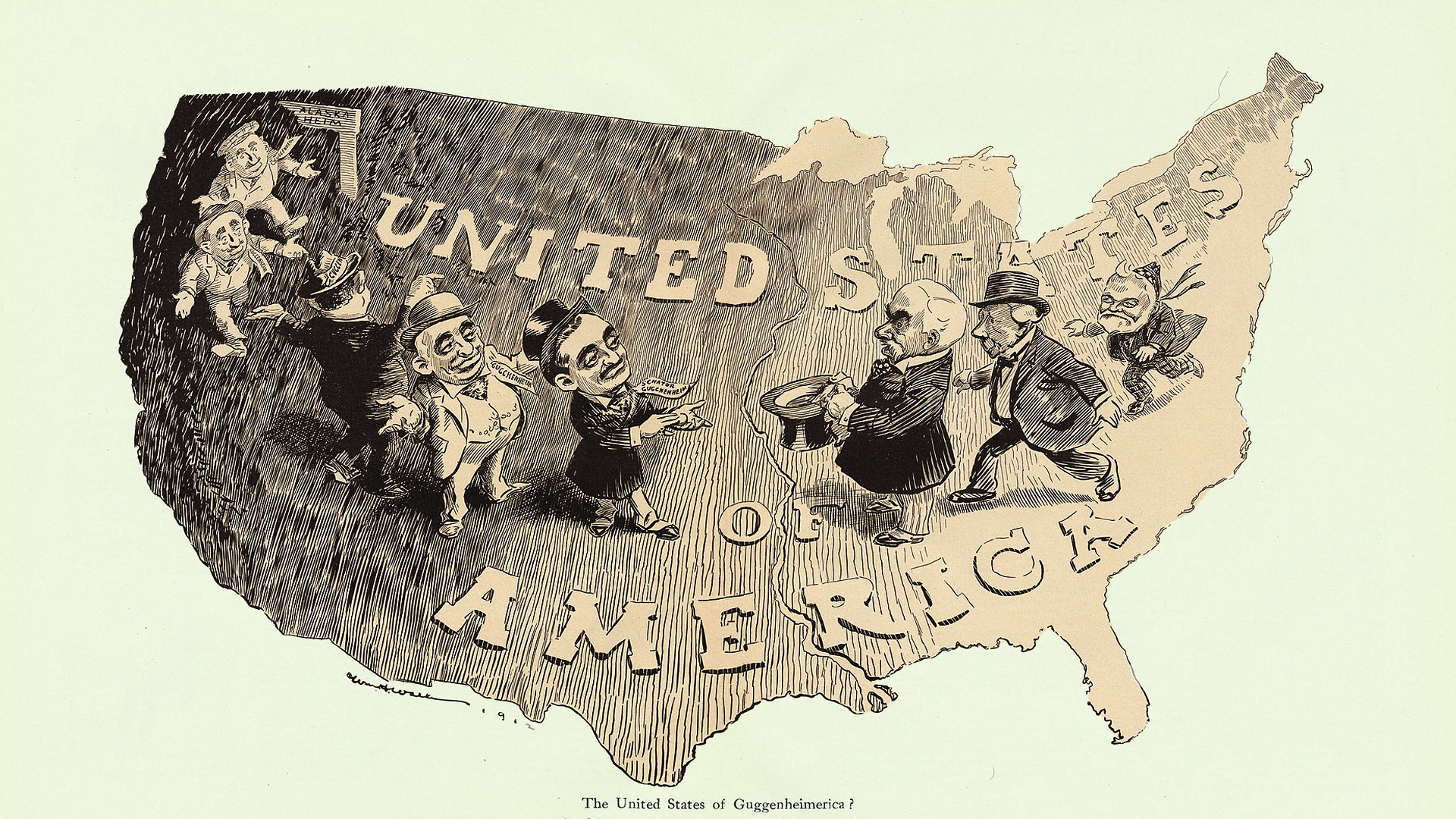
Gifford Pinchot and Richard Ballinger were at the center of the 1909 conservation controversy.
What Happened?
At the turn of the 20th century, the United States was expanding westward, rich in forests, minerals, and rivers. But with expansion came a question: should America’s natural resources be used freely for business growth, or carefully managed for future generations? This debate reached a breaking point in 1909 with what became known as the Ballinger-Pinchot scandal.
President Theodore Roosevelt had made conservation a national priority, protecting over 230 million acres of public land and creating the U.S. Forest Service. His close ally, Gifford Pinchot, served as the nation’s first chief forester and believed that government should protect the environment through responsible use. When Roosevelt left office, his successor, William Howard Taft, appointed Richard Ballinger as Secretary of the Interior—a man with very different ideas.
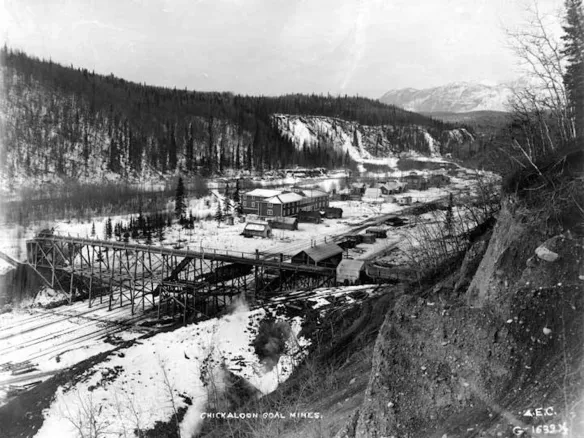
Ballinger believed that too much land had been locked away by Roosevelt’s policies. He reopened some of these areas, including parts of Alaska, for private development. When reports surfaced that wealthy business families like the Guggenheims might profit from these decisions, Pinchot accused Ballinger of betraying the public trust. On November 13, 1909, Collier’s Magazine published the explosive allegations, turning a bureaucratic dispute into a national scandal.
President Taft defended Ballinger and dismissed the accusations, but Pinchot refused to stay silent. He argued that the government had a moral duty to protect natural resources from corporate exploitation. When he publicly criticized the president, Taft fired him—an act that divided the Republican Party and enraged former President Roosevelt.
The scandal revealed deep tensions within the country. Industrialists saw nature as a resource to be used for progress and profit, while conservationists viewed it as a treasure to be preserved for all people. This conflict wasn’t just about Alaska’s coal—it was about what kind of nation America wanted to be.
Congress launched an investigation in 1910, with famous lawyer Louis Brandeis helping to uncover inconsistencies in the administration’s defense. Although Ballinger was eventually cleared of wrongdoing, public trust in Taft’s leadership suffered, and the scandal weakened his presidency.
The divide between Roosevelt and Taft grew so severe that Roosevelt left the Republican Party and formed the Progressive 'Bull Moose' Party in 1912. The split handed victory to Democrat Woodrow Wilson, changing the course of American politics.
The Ballinger-Pinchot affair remains a turning point in the history of American conservation. It helped cement the idea that protecting the environment wasn't just a moral choice, but a national responsibility—a principle that continues to shape environmental policy today.
Why It Matters
The Ballinger-Pinchot scandal forced the nation to confront how power, politics, and greed can influence the use of natural resources. It tested whether the government would protect the public good or bow to private interests. The debate between conservation and exploitation that began in 1909 still echoes in today’s environmental challenges, from deforestation to climate change. Remembering this scandal reminds us that the fight to balance progress and preservation is ongoing—and that leadership, integrity, and stewardship are essential to shaping a sustainable future.
?
Why did Gifford Pinchot believe conservation was important for the United States?
How did the Ballinger-Pinchot scandal affect President Taft’s reputation and the Republican Party?
What does this event reveal about the balance between industry and environmental protection?
How did Theodore Roosevelt’s conservation legacy influence later environmental movements?
Why is the debate between conservation and resource use still important today?
Dig Deeper
A look into the presidency of William Howard Taft, his policies, and how the Ballinger-Pinchot scandal tested his leadership and legacy.
Related
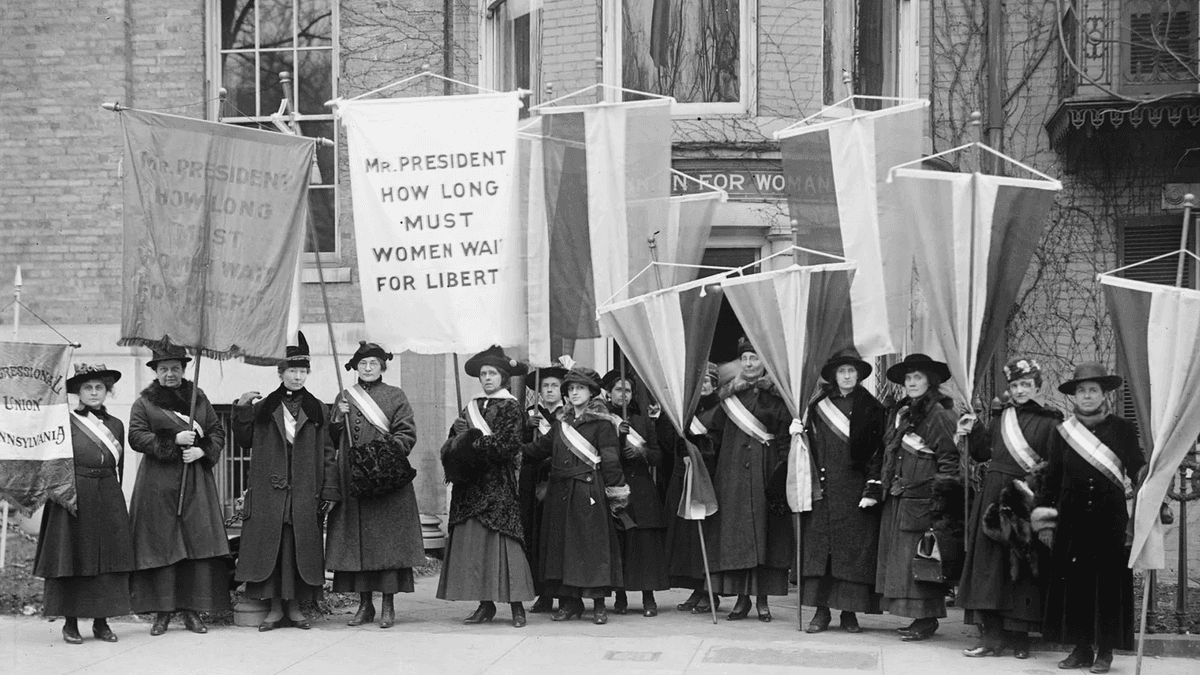
The Progressive Era: Reform, Regulation, and the Limits of Change
From breaking up monopolies to marching for women’s votes, the Progressive Era sought to fix America’s problems — but often left some voices out of the conversation.
Fair and Unfair Laws: Justice, Equality, and the Power of Rules
Laws shape how societies function, but not all laws are fair. Understanding the difference between fair and unfair laws helps citizens protect justice and equality.
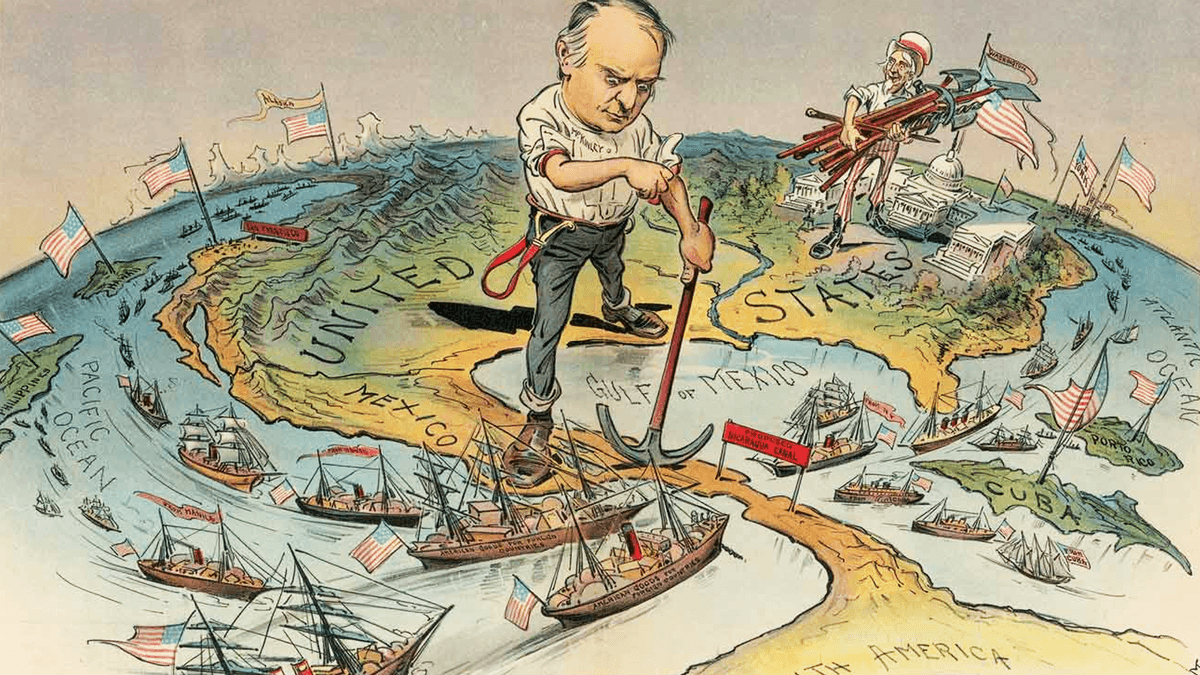
U.S. Imperialism: The Spanish-American War and Its Aftermath
In 1898, the United States fought Spain in a short war that reshaped its identity—from a republic born in anti-colonial revolution to a global imperial power with overseas territories.
Further Reading
Stay curious!