

The Velvet Revolution Begins in Czechoslovakia
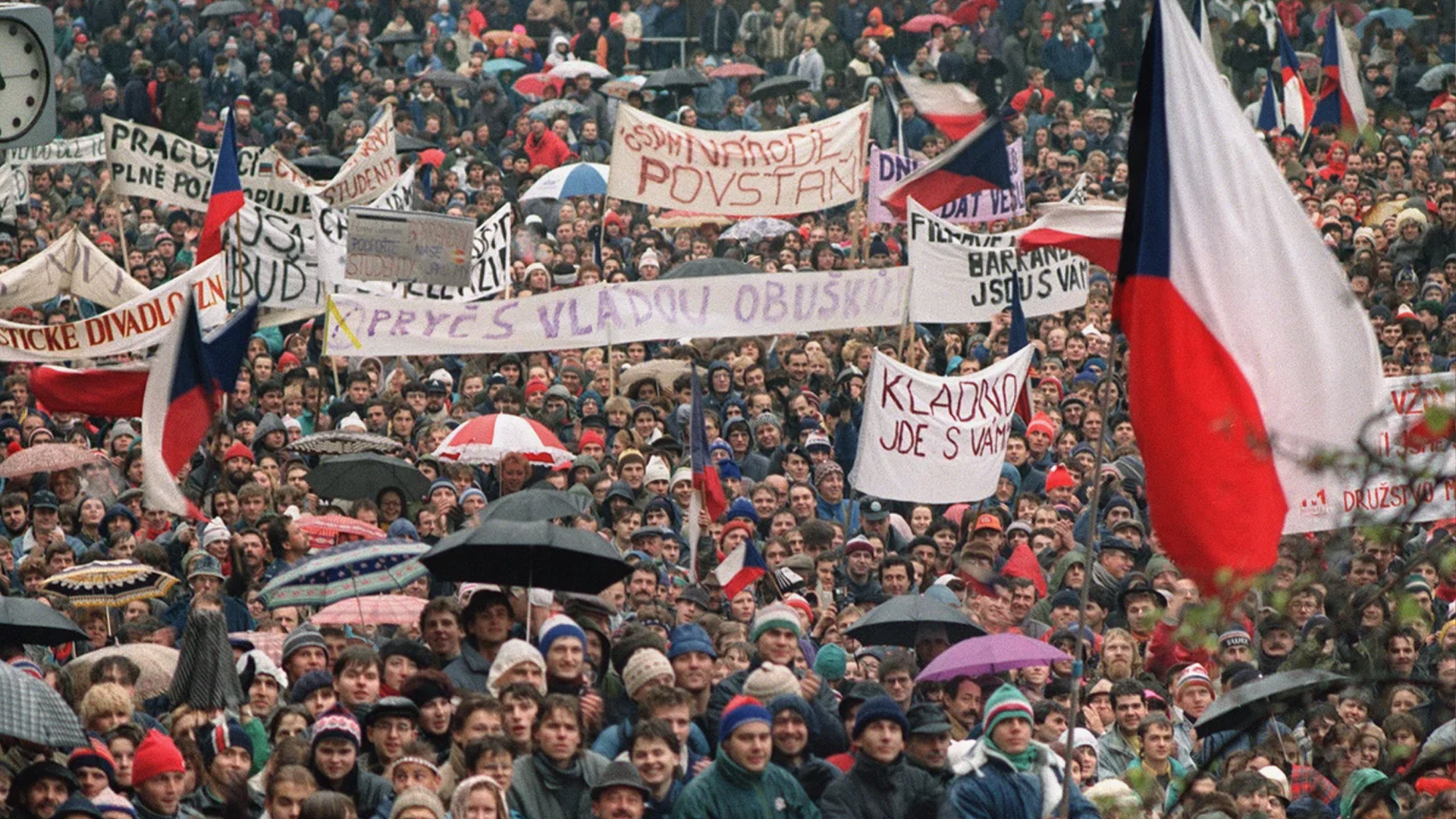
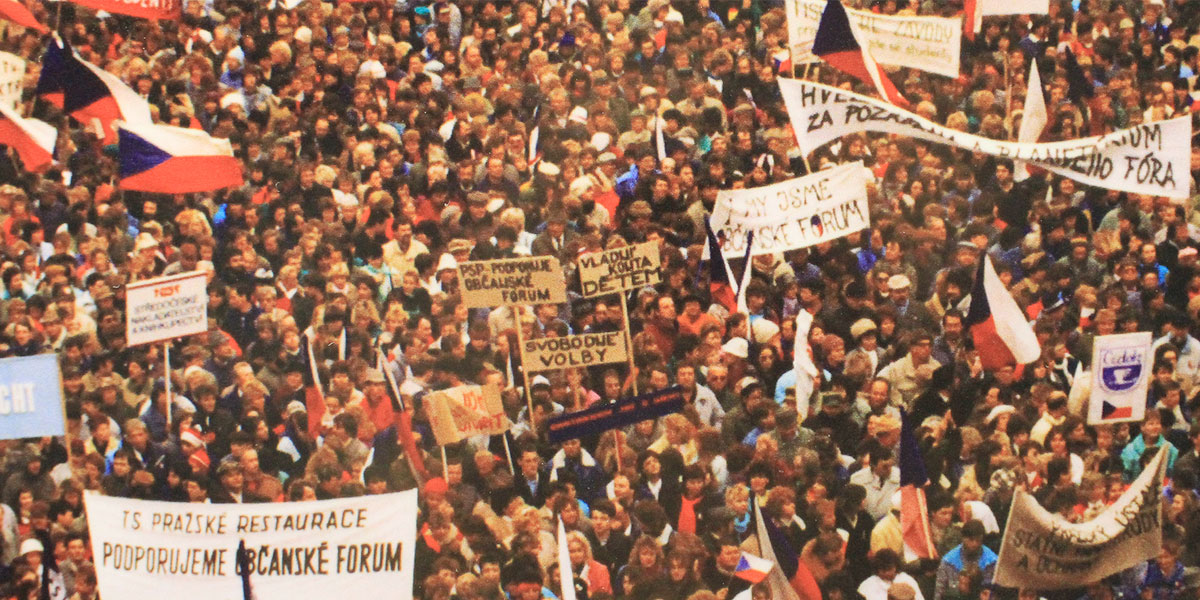
Mass crowds gathering in Prague during the Velvet Revolution in 1989.
What Happened?
On November 17, 1989, students in Prague gathered to honor International Students Day, a date marking the 50th anniversary of Nazi attacks on Czech universities. What started as a memorial march quickly grew into an anti-government protest as young people called for democracy and freedom of speech after decades of life under a strict communist regime.
The government had long controlled newspapers, television, and public expression, punishing people for speaking out. But change was already sweeping across Eastern Europe. Poland had held free elections, Hungary had opened its borders, and the Berlin Wall had fallen just nine days earlier. The world felt different, and Czechoslovakian students wanted their country to be part of that change.
As the march moved through Prague, riot police surrounded the students and violently dispersed them. Although no one was killed, the brutality shocked the country. A rumor spread that a student had died, and even though it turned out to be false, it revealed how deeply people distrusted the government and how ready they were to stand up.
The next day, theaters across the nation shut down their performances and turned their stages into public meeting spaces. Actors, teachers, factory workers, families, and citizens from every background joined the movement. Crowds swelled to hundreds of thousands, with demonstrators filling Prague’s Wenceslas Square and shaking their keys in the air to symbolize that the government’s time was over.
Dissident playwright Václav Havel, who had been arrested many times for defending human rights, emerged as a major leader. He and other activists formed Civic Forum, an organization that negotiated directly with government officials. Their demands were simple and powerful: free elections, free speech, and an end to one-party rule.
Within days, the communist leadership realized they had lost the support of the people. On November 28, the Communist Party’s leaders resigned, and on December 10, a new government made up mostly of non-communists took power. The peaceful revolution reached its peak on December 29, when Václav Havel was elected president.
The Velvet Revolution became a landmark moment in world history. It showed that nonviolent protest could topple even the strictest government when enough people stand together. The movement helped Czechoslovakia shift toward democracy and paved the way for the country to eventually divide peacefully into the Czech Republic and Slovakia in 1993.
Today, the Velvet Revolution is remembered as a triumph of courage, community, and the belief that ordinary people can change their country when they refuse to give up their voice.
Why It Matters
The Velvet Revolution proved that peaceful protest can bring about enormous change. It ended decades of political repression and inspired people around the world to speak out for freedom and democracy. Understanding this moment helps us see how unity, courage, and nonviolence can reshape a nation and remind us that the fight for human rights is always worth showing up for.
?
Why did students choose November 17 as the day to march?
How did peaceful protest play a role in the Velvet Revolution’s success?
Why was Václav Havel an important leader during the revolution?
How did events in other European countries influence Czechoslovakia in 1989?
What does the Velvet Revolution teach us about the power of ordinary citizens?
Dig Deeper
Hundreds of thousands of Czechoslovakian citizens took part in peaceful protests, demanding the end of the communist regime.
A short, engaging explanation of the Velvet Revolution and how massive peaceful protests changed Czechoslovakia forever.
Related
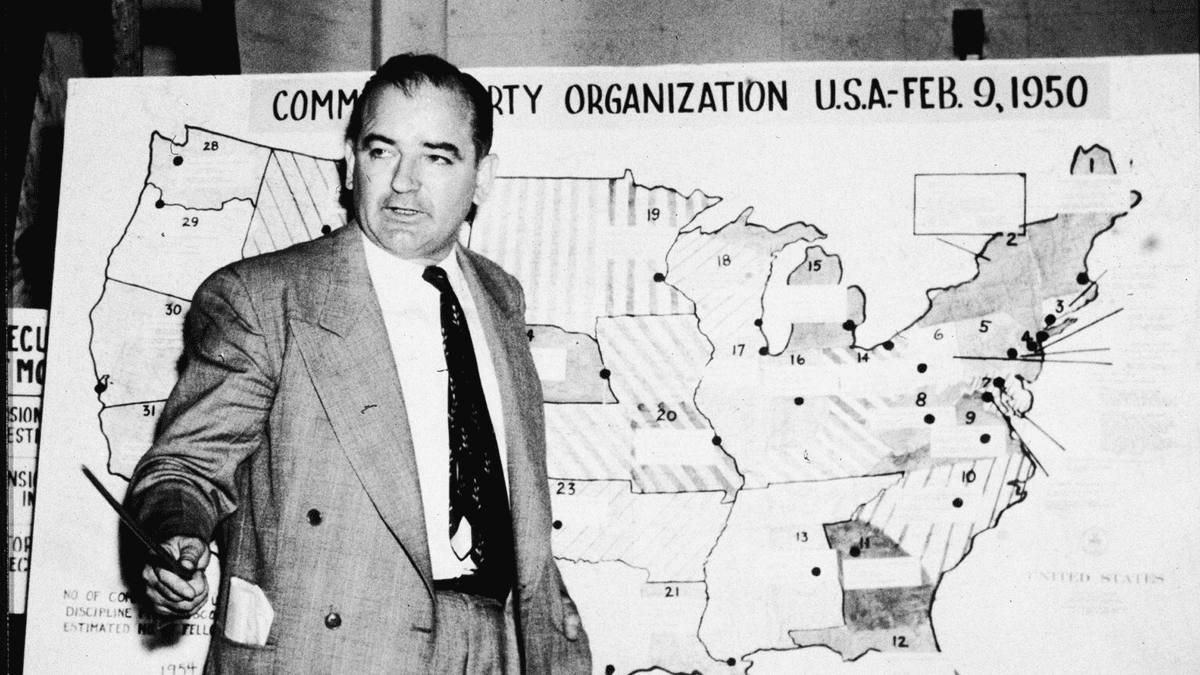
McCarthyism: Fear, Power, and the Red Scare
In the 1950s, fear of communism gripped America. Senator Joseph McCarthy fueled this fear by accusing hundreds of people of being communist traitors—often without proof. The result was a national panic that tested the meaning of truth, justice, and freedom.
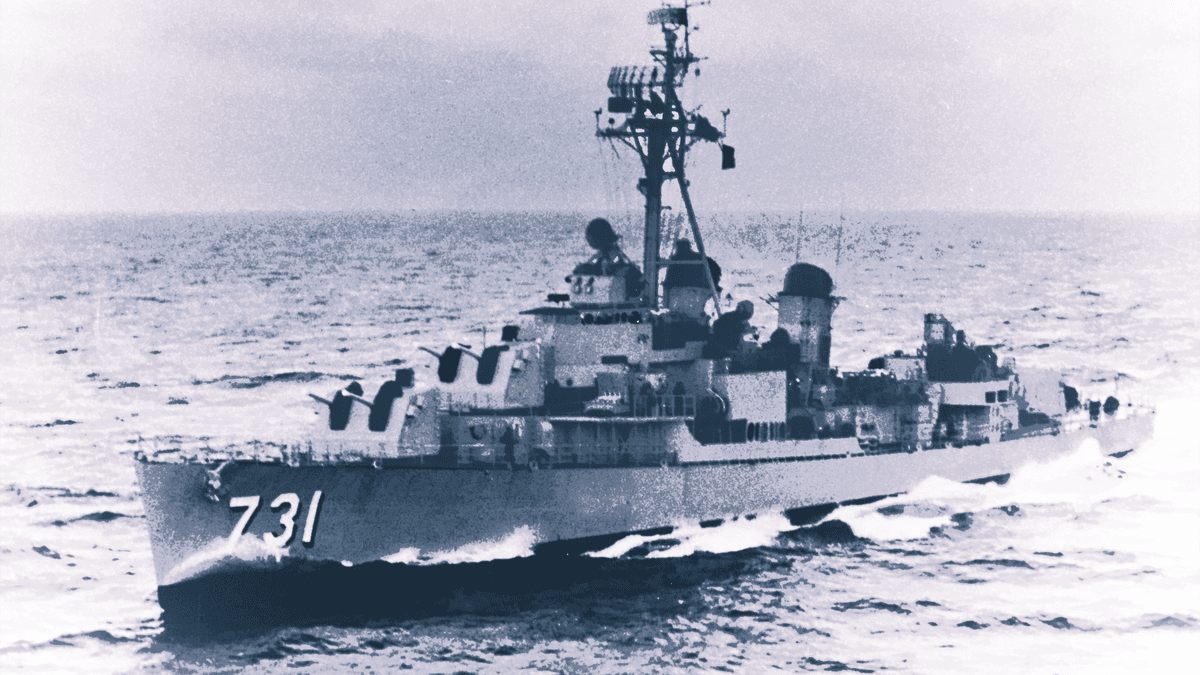
The Gulf of Tonkin Incident: A Turning Point in the Vietnam War
A disputed naval encounter that led to full-scale U.S. involvement in Vietnam—and raised lasting questions about power, truth, and war.
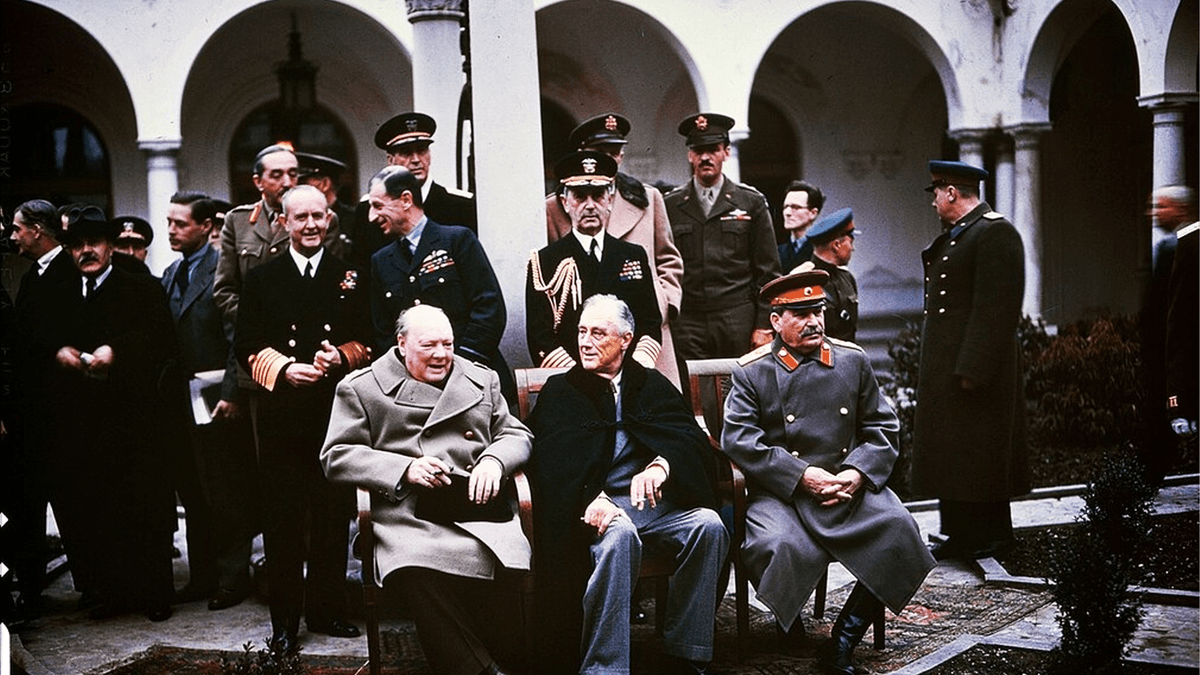
The Cold War & Fear at Home: Ideology, Power, and Public Anxiety
A global rivalry shaped by fear, ideology, and the constant tension between freedom and security.
Further Reading
Stay curious!