

Archaeologists Enter the Tomb of King Tutankhamun
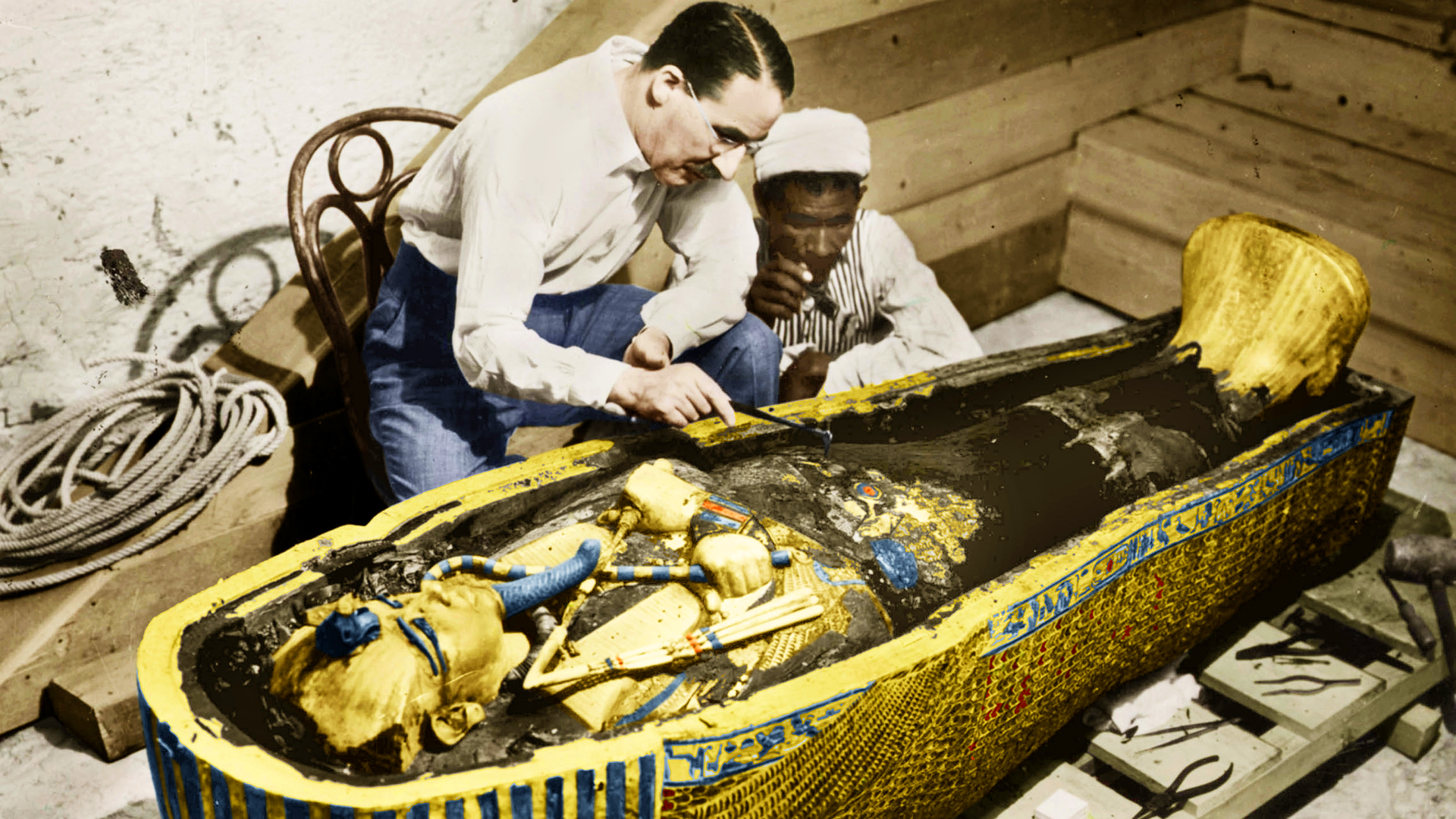
The discovery of King Tut’s tomb transformed our understanding of ancient Egypt.
What Happened?
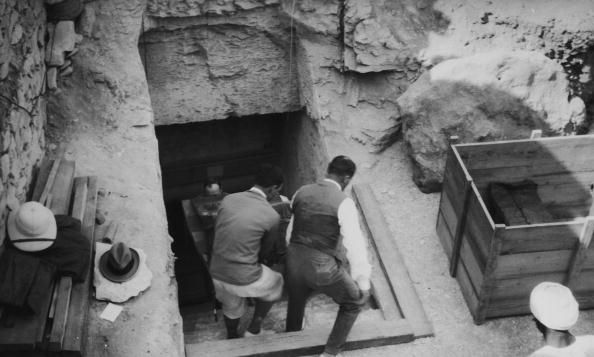
On November 26, 1922, British archaeologist Howard Carter leaned into a small opening in a sealed doorway deep in Egypt’s Valley of the Kings. As his candle flickered in the dusty darkness, golden shapes slowly came into view. Behind him, Lord Carnarvon asked the now-famous question: “Can you see anything?” Carter replied, “Yes—wonderful things.” After more than 3,000 years, the world had rediscovered the tomb of King Tutankhamun.
Before this moment, most ancient Egyptian tombs had already been plundered by thieves long before modern archaeologists arrived. Many experts even believed the Valley of the Kings had nothing left to uncover. But Carter was convinced that the tomb of the little-known boy king still lay hidden. After years of methodical searching—and almost losing his funding—he finally found the steps leading to the entrance.
King Tutankhamun became pharaoh around age nine and died by nineteen, leaving behind few written records and a kingdom trying to recover from his father’s controversial religious reforms. Because later rulers erased his legacy, Tut’s name faded from history, and the location of his tomb was forgotten. Ironically, this erasure helped protect his resting place for centuries.
When Carter opened the tomb, he found an antechamber filled with more than 600 objects—statues, chariots, clothes, weapons, and furniture—all meant to accompany the young king into the afterlife. Although ancient robbers had broken in twice, they were caught before they reached the burial chamber, leaving the heart of the tomb untouched.
Carter’s team spent months carefully cataloging every object, treating the tomb as a time capsule frozen in place. Even the footprints of the original tomb builders were still on the floor. The most breathtaking discovery lay within the burial chamber: a massive golden shrine containing multiple nested boxes, three coffins, and finally, a solid-gold inner coffin that held the mummified body of Tutankhamun.
The treasures of Tut’s tomb gave historians and scientists an unmatched look at life in ancient Egypt—how people dressed, what they believed, how they prepared for death, and what royalty valued. Many items were everyday objects, reminding the world that even kings lived human lives filled with games, clothes, food, and furniture.
The discovery also sparked enormous public excitement. Newspapers around the world followed each update, museums studied the artifacts, and the story of the 'boy king' captured imaginations everywhere. It even inspired spooky rumors of a 'curse,' especially after Lord Carnarvon died unexpectedly months later—though Carter himself lived another 17 years.
Today, King Tutankhamun is one of the most famous pharaohs in history—not because of what he accomplished in life, but because his tomb, almost uniquely preserved, opened a window into a civilization that continues to fascinate the world. His story reminds us how powerful it can be to rediscover the past and how much we can learn when history is carefully preserved.
Why It Matters
The discovery of King Tutankhamun’s tomb is one of the greatest archaeological finds of all time. It revealed thousands of objects that help us understand ancient Egyptian beliefs, daily life, and artistry. More importantly, the excavation set new standards for careful archaeological work—showing the world how preserving history with patience and respect can unlock knowledge lost for thousands of years. Tutankhamun’s rediscovery turned a forgotten pharaoh into a global symbol of ancient history and the importance of protecting cultural heritage.
?
Why was King Tutankhamun almost forgotten before his tomb was discovered?
What made Howard Carter’s excavation methods different from earlier archaeologists?
Why was Tutankhamun’s tomb so well preserved compared to others in the Valley of the Kings?
What kinds of objects did ancient Egyptians include in tombs, and why?
How did the discovery of King Tut’s tomb change our understanding of ancient Egypt?
Why do you think people around the world were so fascinated by the discovery?
Dig Deeper
In 1922, expert photographer Harry Burton joined archaeologist Howard Carter's team as they uncovered the tomb of Ancient Egyptian King Tutankhamun.
After 3 years Howard Carter and his team finally get to excavate the lost tomb of King Tutankhamun. Using colorization technology, we are able to see this discovery as Carter and his team would have.
Related
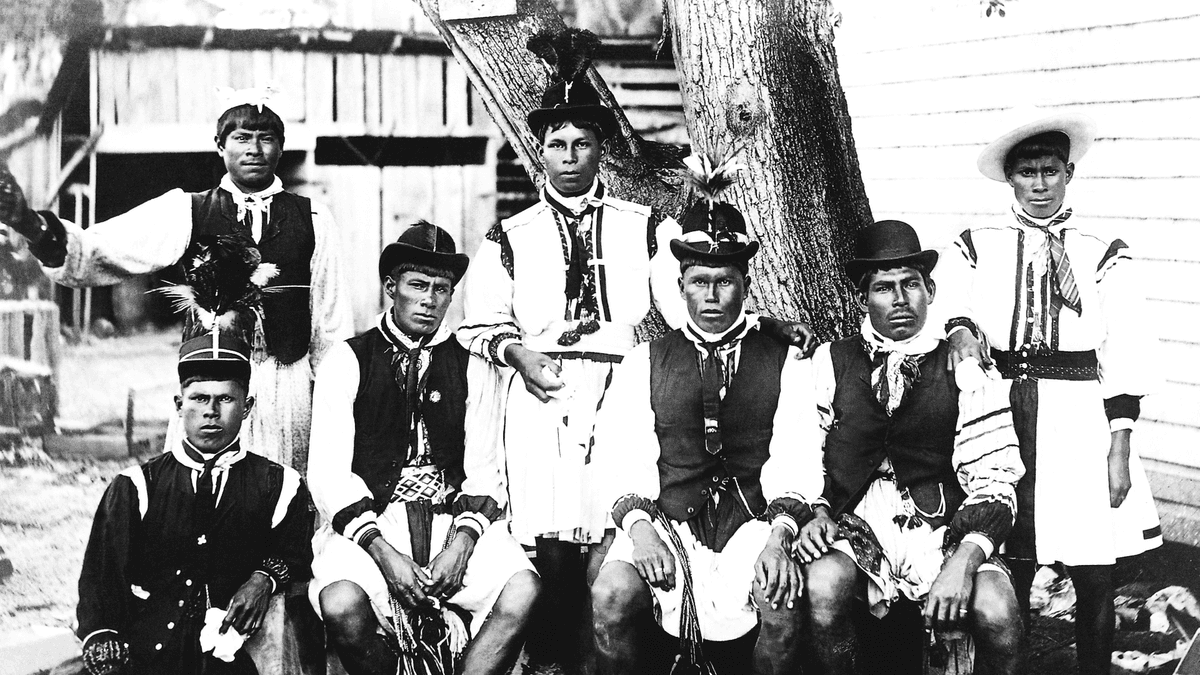
The Cape Fear & Waccamaw Siouan: Indigenous History of Southeast North Carolina
Long before the first European ships arrived at the Carolina coast, the Cape Fear River and Lake Waccamaw were home to thriving Indigenous communities.

How Microplastics Are Shaping Our Health and Environment
Microplastics are everywhere—from the food we eat to the air we breathe. But what are the hidden costs of these tiny pollutants, and how can we stop them?
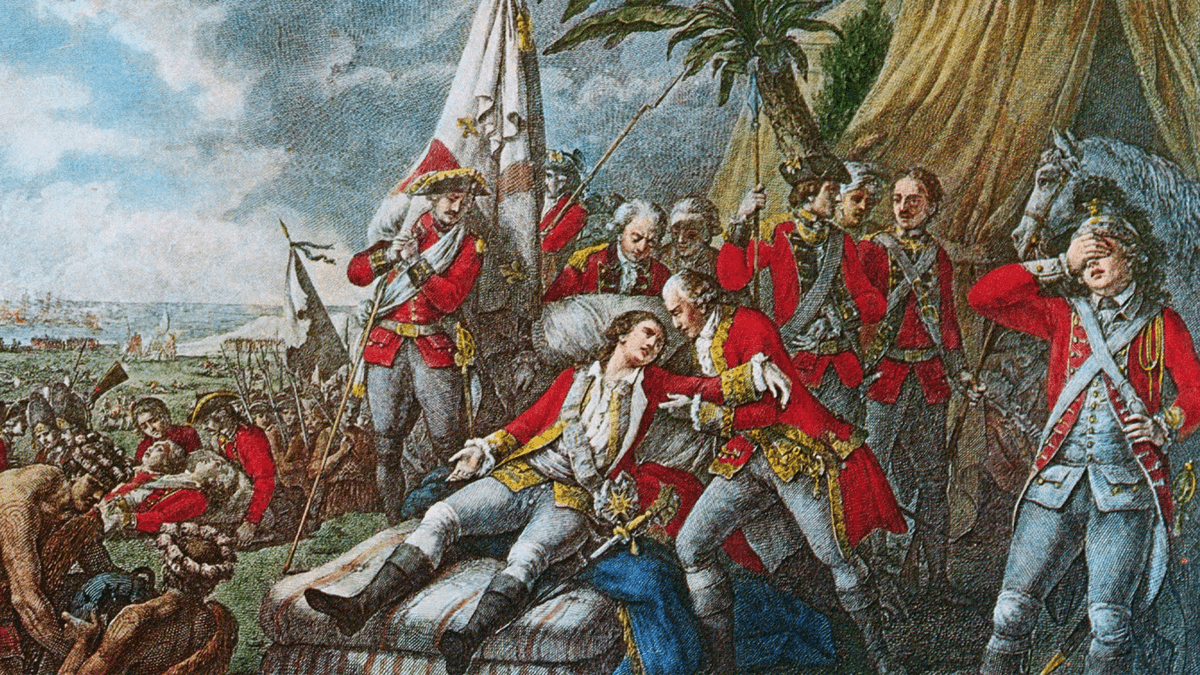
The French and Indian War: The Battle for North America
Before the American Revolution, another great war reshaped North America—the French and Indian War. It began as a fight over land and power, but ended up changing the map of the world and planting the seeds of independence.
Further Reading
Stay curious!