

The 13th Amendment Is Ratified
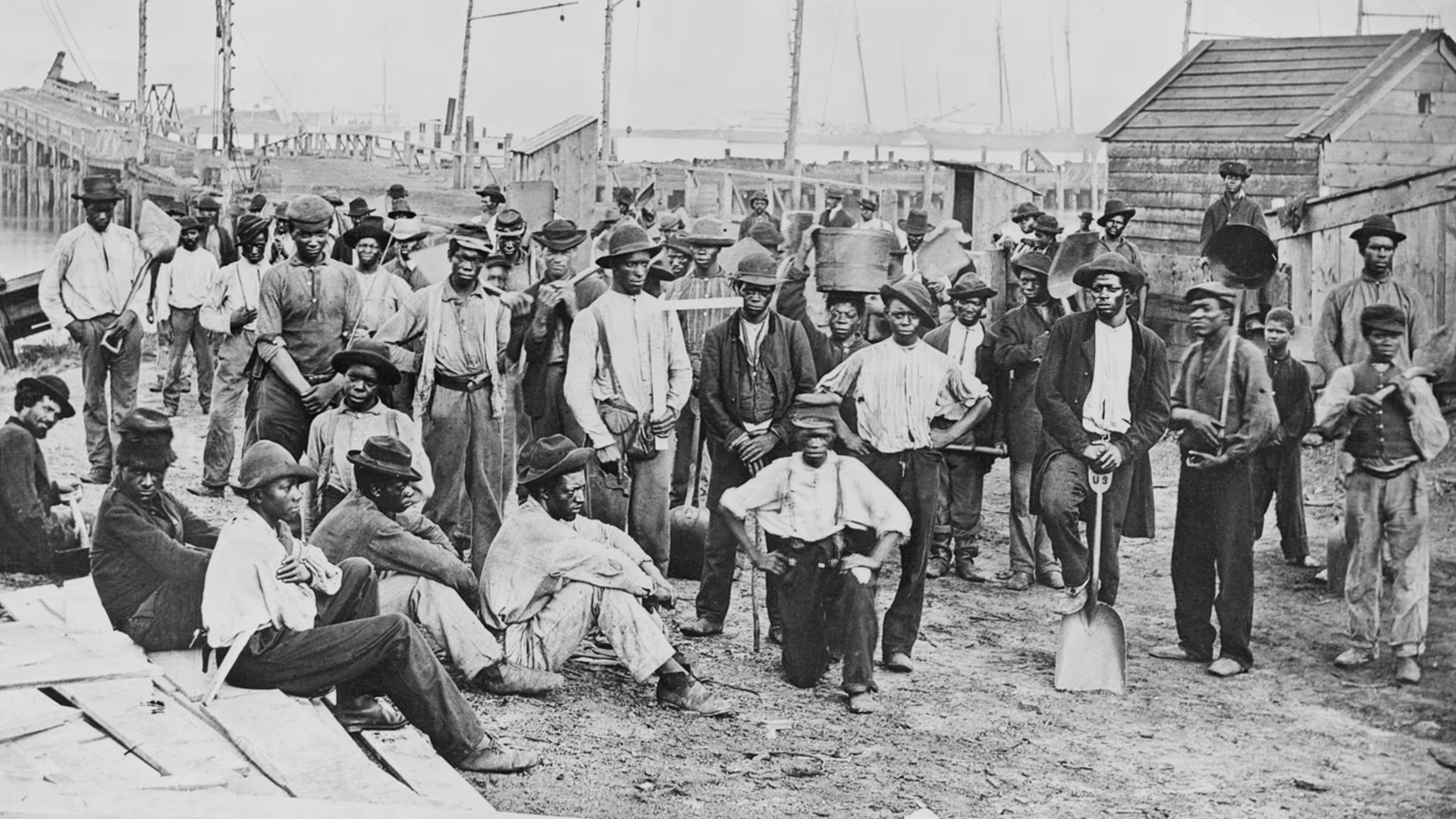
The ratification of the 13th Amendment ended legal slavery in the United States and marked one of the most transformative turning points in American history.
What Happened?
On December 6, 1865, the United States took one of its most important moral steps when the 13th Amendment was officially ratified, ending the legal practice of slavery nationwide. Although the Civil War had already broken the system apart on the battlefield, this amendment ensured that freedom was protected by the Constitution itself.
For more than two centuries, slavery had shaped America’s economy, politics, and everyday life, even though it completely contradicted the country’s stated values of liberty and equality. Enslaved people built homes, families, skills, and cultures while enduring violence, forced labor, and a system designed to deny their humanity. The 13th Amendment marked a long-delayed admission that their freedom and dignity were rights the nation could no longer ignore.
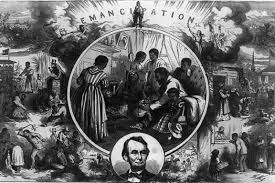
The amendment grew out of decades of conflicts, failed political compromises, and the enormous pressure of the Civil War. By 1862, President Abraham Lincoln recognized that ending slavery was essential not only for moral reasons but also for winning the war. His Emancipation Proclamation in 1863 freed enslaved people only in Confederate-controlled areas, so a permanent constitutional change was needed to abolish slavery everywhere in the nation.
Debates in Congress were intense. Supporters argued that the Union could not heal without ending slavery, while opponents resisted changes that threatened long-held systems of power. The amendment passed the Senate in 1864, but stalled in the House until early 1865, when shifting political winds, public opinion, and Lincoln’s leadership finally secured the votes needed to move it to the states for approval.
That approval came on December 6, when Georgia became the thirty-eighth state to ratify the amendment. With its ratification, millions of enslaved men, women, and children were legally recognized as free. This monumental shift redefined what freedom meant in the United States and laid the foundation for future civil rights movements.
However, the amendment included an exception that allowed forced labor as punishment for a crime, a loophole that would later fuel systems such as convict leasing and mass incarceration. These systems created new forms of racial control and exploitation that activists still challenge today.
The 13th Amendment was the first of three major Reconstruction Amendments designed to rebuild the nation after the war and expand rights for Black Americans. Together with the 14th and 15th Amendments, it pushed the country closer to its promise of equality, even though that promise has always required ongoing struggle.
The ratification of the 13th Amendment remains a defining moment in American history. It reminds us that freedom isn't automatic or guaranteed. It is a choice a nation must make again and again, guided by courage, justice, and the willingness to confront its own contradictions.
Why It Matters
The 13th Amendment reshaped the United States by turning the idea of freedom into a legal guarantee rather than a hopeful dream. It ended one of the greatest injustices in human history and challenged the nation to redefine who was included in its promise of equality. Understanding this amendment helps us recognize how laws, activism, and courage work together to change a country, and why the work of justice doesn't end with one victory—it grows with every generation that chooses to protect it.
?
Why did the Emancipation Proclamation alone not end slavery across the entire United States?
How did the 13th Amendment change the goals and meaning of the Civil War?
What does the exception clause tell us about the relationship between punishment and freedom in American history?
How did the 13th Amendment influence later civil rights laws?
Why might some states have resisted ratifying the amendment even after the Civil War?
What responsibilities come with expanding freedom in a nation?
Dig Deeper
A historical look at how President Abraham Lincoln championed the 13th Amendment to permanently end slavery in the United States.
A modern examination of how the amendment's punishment clause continues to shape prison labor and conversations about justice today.
Related
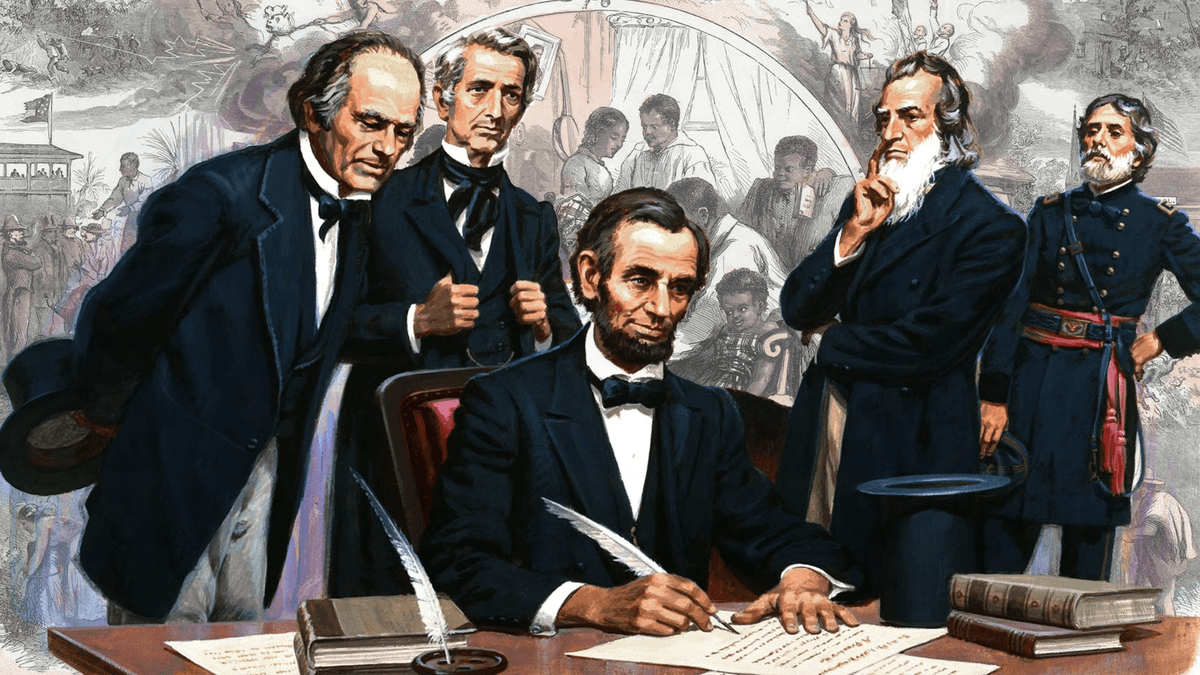
The Emancipation Proclamation & The 13th Amendment
Freedom on paper is one thing; freedom in practice is another. The Emancipation Proclamation and the 13th Amendment were giant leaps toward liberty—yet the road ahead for formerly enslaved people was long and uneven.
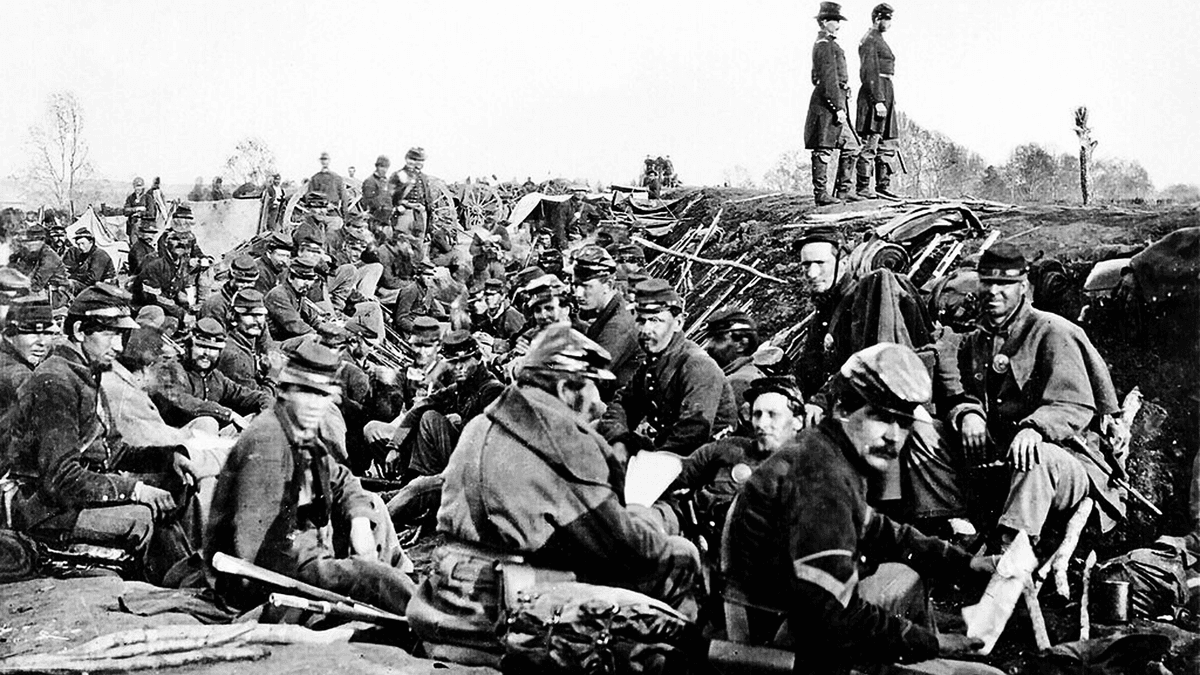
The American Civil War – A Nation Torn Apart
From Fort Sumter to Appomattox, the Civil War was the deadliest conflict in U.S. history, fought over the nation's most profound moral and political divisions.
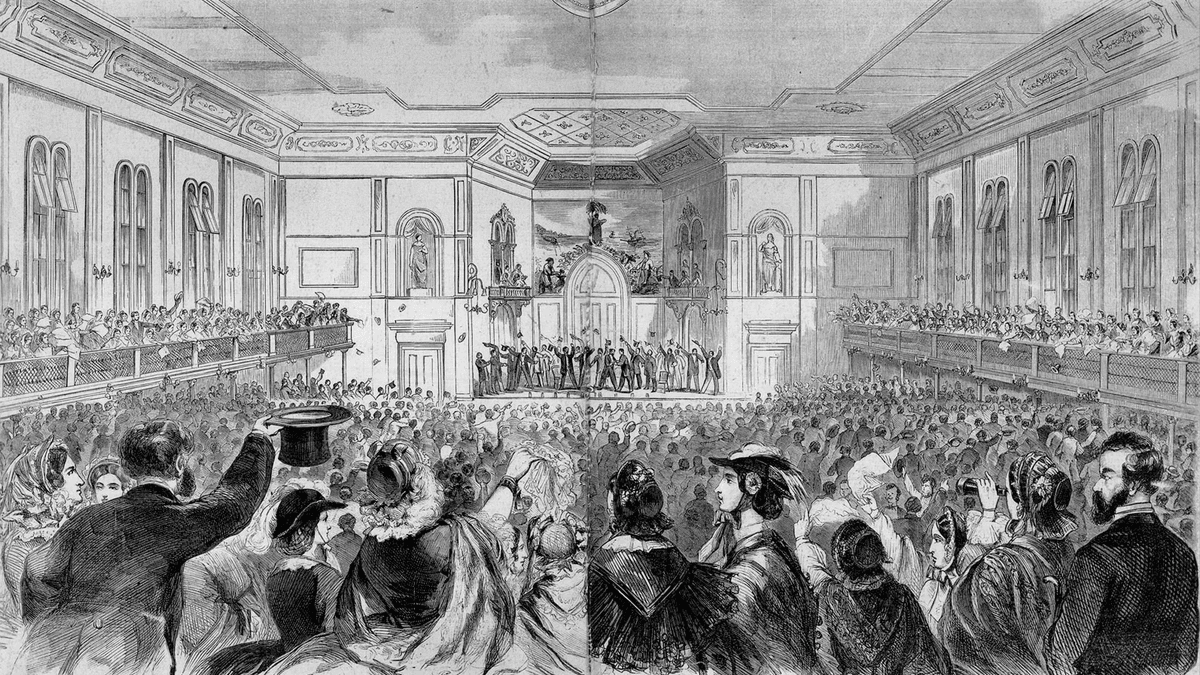
North Carolina’s Road to Secession
Why a state known for hesitation became a decisive force in the Confederacy.
Further Reading
Stay curious!