

The Knights of Labor Are Founded
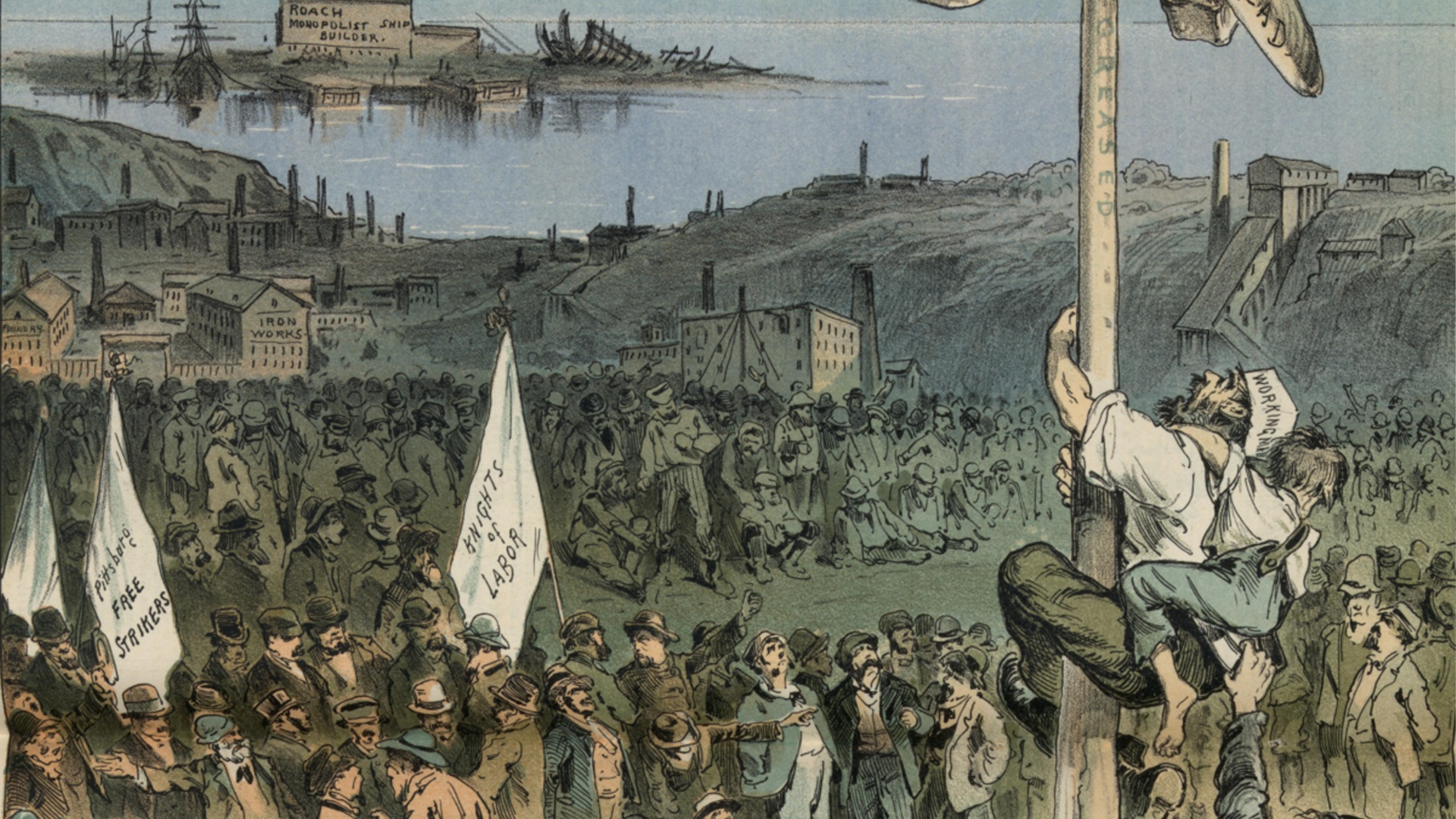
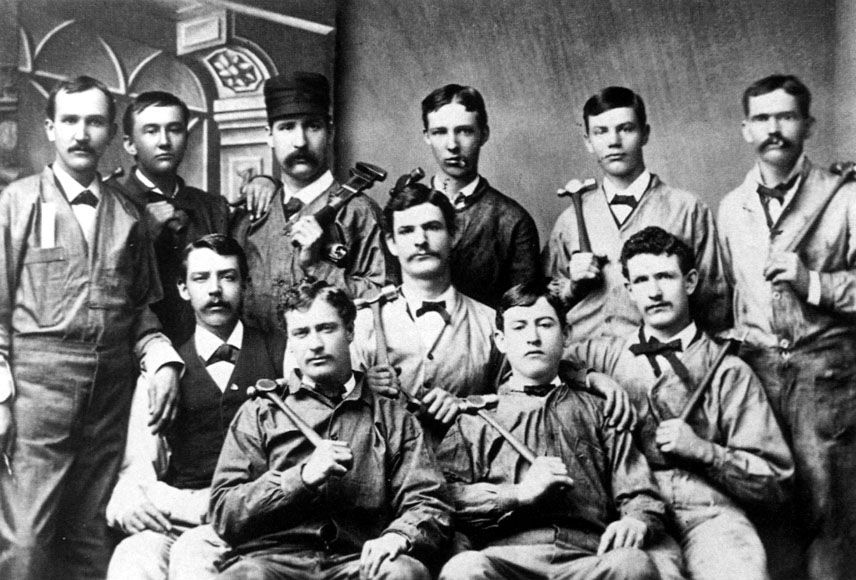
An illustration representing the Knights of Labor, one of the first national labor unions in the United States, uniting workers across jobs and backgrounds.
What Happened?
In December 1869, a small group of Philadelphia garment workers met in secret and started something much bigger than themselves. Led by Uriah Smith Stephens, a former indentured servant who had seen poverty and unfair treatment firsthand, they formed the Noble and Holy Order of the Knights of Labor. What began as a quiet experiment among tailors soon became one of the first national labor unions in the United States.
At the time, American workers were facing harsh realities: long hours, low wages, unsafe factories, and employers who could easily replace anyone who complained. Earlier attempts to organize had mostly been small and local, which made it easy for big businesses to ignore them. Stephens believed that workers needed a larger, united organization that crossed job types and city lines so that their demands could not be brushed aside so easily.
To protect members from being fired or punished, the Knights of Labor originally operated in secret. They used passwords, rituals, and private symbols inspired by groups like the Freemasons. Meetings were announced quietly, sometimes with chalked signs on sidewalks and buildings. This secrecy gave workers a sense of safety and also a feeling of belonging to something important and powerful.
Throughout the 1870s and 1880s, the Knights spread far beyond Philadelphia. They opened their doors to many kinds of wage earners, including blacksmiths, bricklayers, railroad workers, and factory hands. Under the leadership of Terence V. Powderly, an Irish American machinist, the Knights took a rare and radical step for the time: they welcomed women as full members and also organized Black workers in many regions, especially in the South.
The Knights of Labor didn't just fight for better pay. They had a broad vision for a fairer society. They campaigned for an eight-hour workday instead of exhausting 10 or 12-hour shifts, for laws to end child labor, for safer workplaces, and for compensation when workers were injured. They also supported ideas like cooperative workshops and stores, where workers could share ownership instead of working only for wages under distant bosses.
As their numbers grew, the Knights proved that organized workers could challenge massive corporations. In the mid-1880s, they helped lead successful strikes against powerful railroad companies that had cut wages. In one famous case, they helped shut down key lines of the Union Pacific system, pressuring the company to restore workers’ pay. These victories showed other workers that collective action could actually win real, concrete changes.
However, while they welcomed many groups, they treated some unfairly. The organization supported laws that excluded Chinese immigrants and sometimes took part in racist violence against Asian workers, whom they saw as competition. This contradiction reminds us that even movements for justice can carry prejudice that must be recognized and challenged.
By the late 1880s, the Knights began to decline. Internal disagreements, failed strikes, and public backlash after violent events like the Haymarket Affair damaged their reputation and unity. Many members left for newer unions, such as the American Federation of Labor, which focused more narrowly on wages and hours for skilled workers.
Even though the Knights of Labor eventually faded, their impact lived on. Many of the reforms they championed, such as restrictions on child labor and the eight-hour workday, later became part of law and policy. They helped prove that workers in a rapidly industrializing nation could organize across race, gender, and job type to demand a more dignified life.
Why It Matters
The founding of the Knights of Labor in 1869 marks an important chapter in the story of workers’ rights. It shows how ordinary people, facing powerful employers and often hostile laws, used creativity, solidarity, and courage to push the United States toward a more just and humane economy—while also revealing how incomplete and uneven that progress could be. They showed that workers didn't have to face powerful employers alone. By organizing people across different jobs, races, and genders, they helped turn frustration into coordinated action and pushed ideas like the eight-hour workday, safer conditions, and fairer pay into mainstream debate. The story of the Knights of Labor shows how unions and social movements can change laws and workplaces, why inclusivity is essential for real fairness, and how the fight for economic justice is always a work in progress rather than a finished victory.
?
Why did Uriah Smith Stephens believe that workers needed a national organization instead of many small local groups?
How did secrecy help the Knights of Labor grow, and what were the limits or risks of staying hidden?
In what ways were the Knights of Labor ahead of their time in including women and Black workers, and where did they fall short when it came to immigrants?
How did strikes against big railroads show both the power and the danger of organized labor in the late 1800s?
What reforms first championed by the Knights of Labor can we still see in today’s workplaces and laws?
Why is it important to examine both the achievements and the injustices within historical movements like the Knights of Labor?
Dig Deeper
An overview of how the labor movement grew in the 19th and 20th centuries, including early unions like the Knights of Labor and their fight for safer conditions, better pay, and shorter hours.
Economist Robert Reich explains how unions help raise wages, protect workers’ rights, and strengthen the middle class, connecting modern labor issues to the long history of organizing efforts.
Related
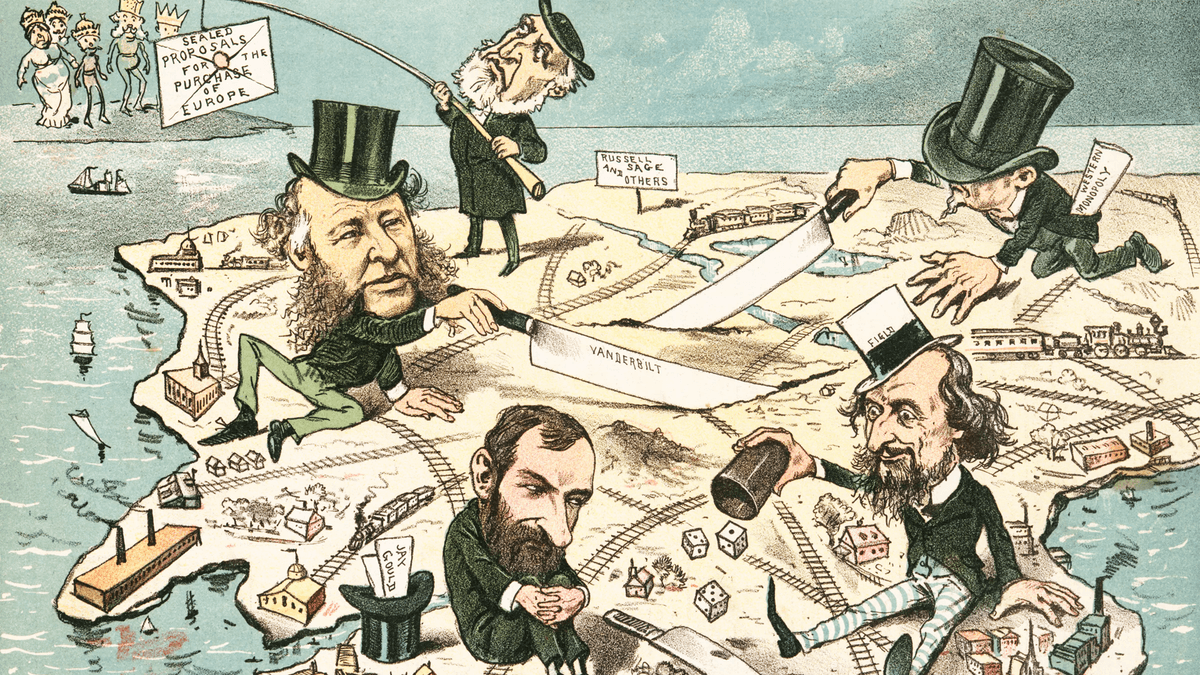
The Gilded Age: Glitter, Growth, and the Cost of Progress
A glittering era of innovation and industry, the Gilded Age promised progress but delivered inequality. In the South, leaders dreamed of a 'New South,' yet industrialization offered opportunity for some while reinforcing systems of poverty and discrimination for others.
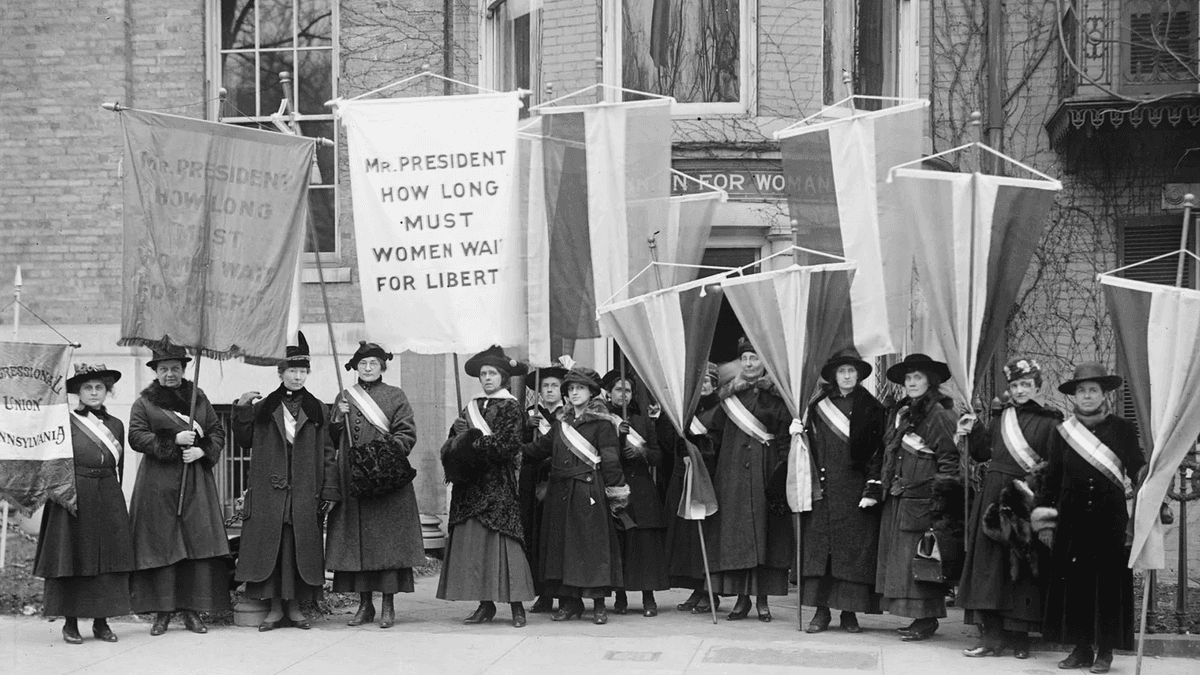
The Progressive Era: Reform, Regulation, and the Limits of Change
From breaking up monopolies to marching for women’s votes, the Progressive Era sought to fix America’s problems — but often left some voices out of the conversation.
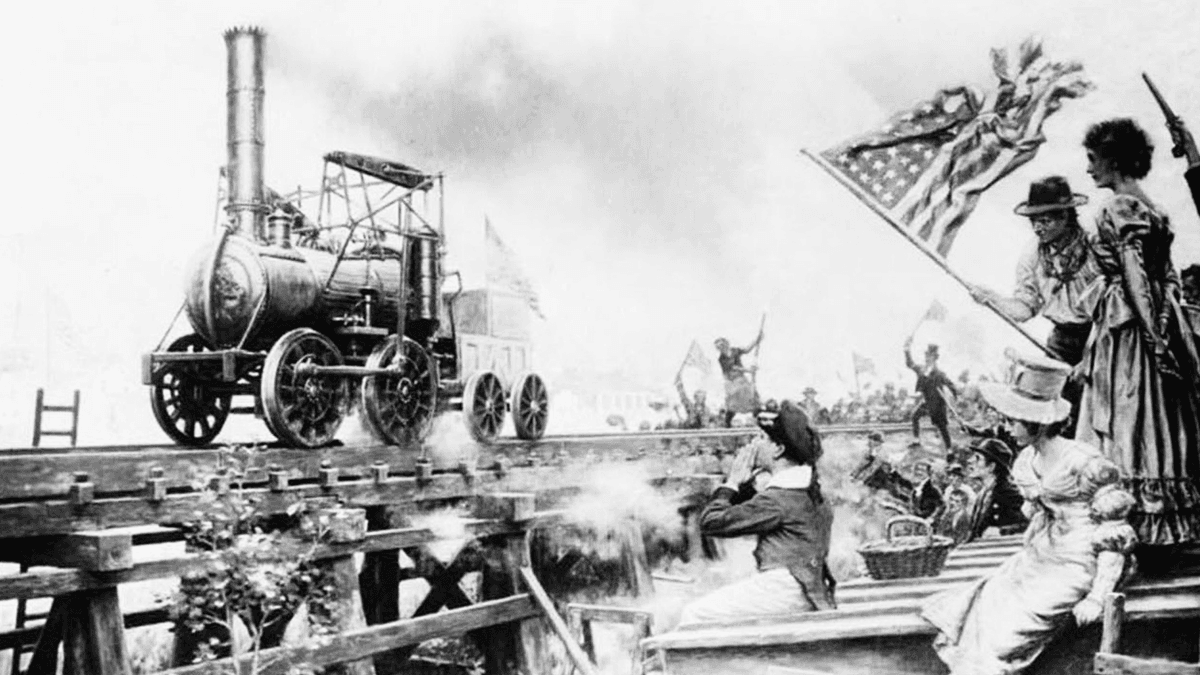
The Market Revolution: How Innovation Transformed America
In the early 1800s, America changed from a land of small farms to a booming nation of factories, railroads, and markets. The Market Revolution connected people, goods, and ideas—while also revealing deep inequalities in who benefited from progress.
Further Reading
Stay curious!