

Wyoming Grants Women the Right to Vote
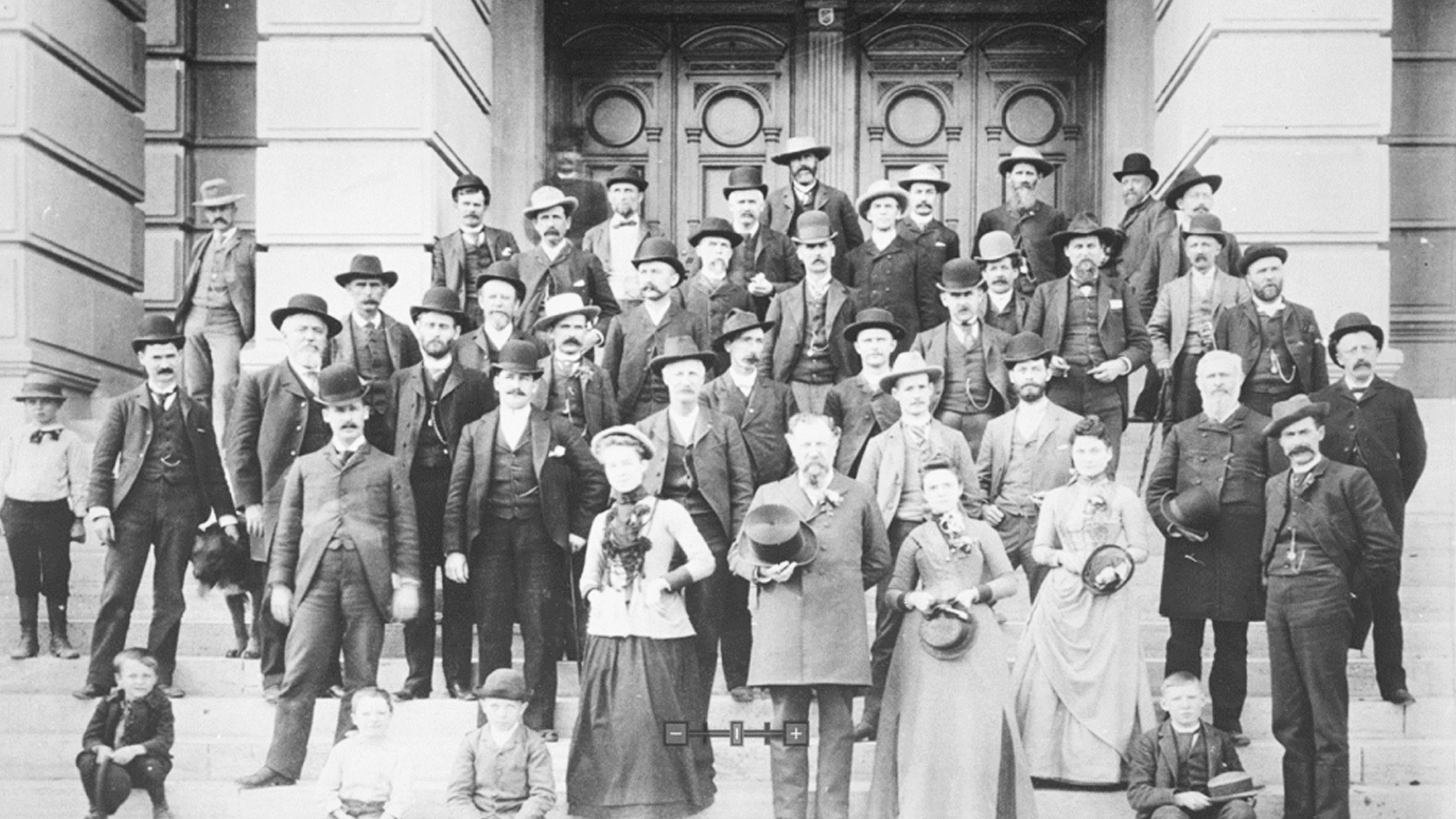
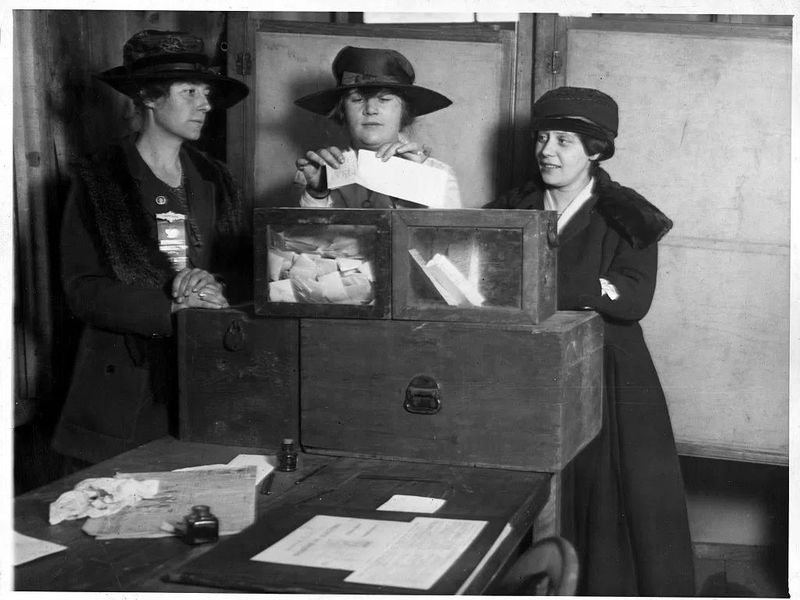
Wyoming women casting ballots after the territory granted full voting rights in 1869.
What Happened?
On December 10, 1869, Wyoming Territory passed a law that shocked the rest of the nation and made history worldwide. It granted women the right to vote long before any other state or territory would dare to do so. At a time when most Americans believed only men should take part in elections, Wyoming took a leap into the future.
The reasons behind this decision were complicated. Some lawmakers truly believed that women deserved equal rights and wanted to correct an injustice. Others thought granting women the vote would attract much-needed settlers to the area, especially because men outnumbered women by thousands. Still others hoped the new law would bring national attention to Wyoming, helping its struggling communities grow.
One key supporter was William Bright, a legislative council leader whose wife convinced him that denying women the vote was unfair. Bright introduced the suffrage bill, and although some lawmakers saw it as a joke or a political trick, the idea gained enough support to pass. Governor John Campbell later signed it into law, and Wyoming instantly became known as the Equality Territory.
People across the country were stunned. Some celebrated Wyoming as a place of forward thinking and fairness. Others mocked it or believed the experiment would fail. But women in Wyoming quickly showed that they took their new rights seriously. In the next elections, women served on juries, held public office, and cast ballots just like men.
Wyoming’s bold experiment influenced the entire nation. Other Western states watched closely and soon began passing their own suffrage laws. Leaders of the national women’s rights movement pointed to Wyoming as proof that women could vote responsibly and strengthen democracy.
When Wyoming applied for statehood in 1890, Congress pressured leaders to remove women’s voting rights. Wyoming refused, declaring that it would remain out of the Union for 100 years rather than give up women’s suffrage. Congress backed down, and Wyoming entered the Union as the first state with full voting rights for women.
Wyoming’s choice in 1869 didn't solve every problem related to equality, but it cracked open a door that had been shut for centuries. It showed that change was possible and paved the way for the 19th Amendment in 1920, which ensured voting rights for women across the entire United States.
Why It Matters
Wyoming’s decision to give women the vote in 1869 proved that real change can begin in unexpected places. Even though the motives behind the law were mixed, its impact was powerful. Women in Wyoming demonstrated that their voices strengthened democracy, inspiring other states and pushing the nation toward greater fairness. Understanding this moment helps us see how big movements often start with small, bold steps and how expanding rights for one group can shape the future for everyone.
?
Why do you think Wyoming was willing to take such a bold step before other states?
How did granting women the right to vote change Wyoming’s identity and nickname, the Equality State?
Why would lawmakers pass a law for reasons that were not entirely about fairness?
How did Wyoming’s decision inspire the larger women’s suffrage movement?
What challenges do you think early women voters faced even after gaining the right to vote?
Dig Deeper
A documentary preview exploring how Wyoming became the first place in the world to grant women full voting rights.
A look at the broader fight for women’s voting rights in the United States and how Western states led the way.
Related
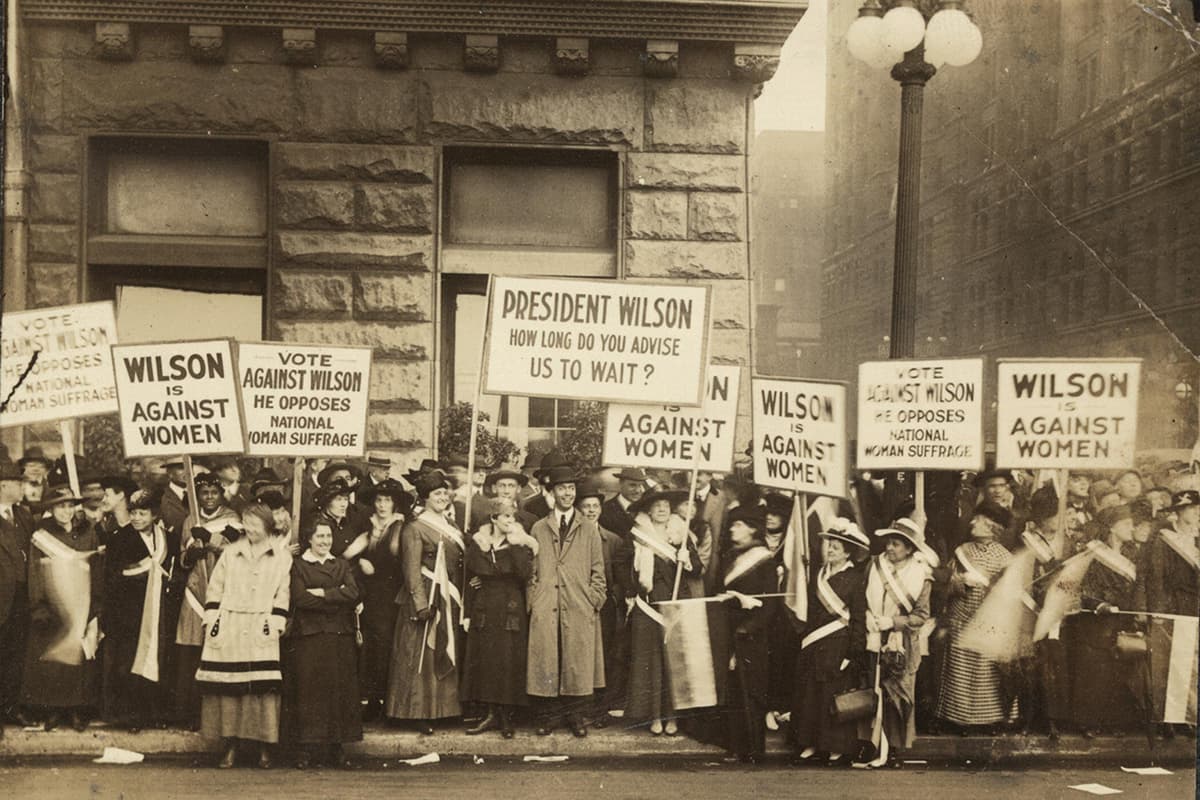
Votes for Women: The Fight for the 19th Amendment
It took more than 70 years of protests, petitions, and picket lines to win the right for women to vote in the United States. The 19th Amendment didn’t just expand democracy—it redefined it.
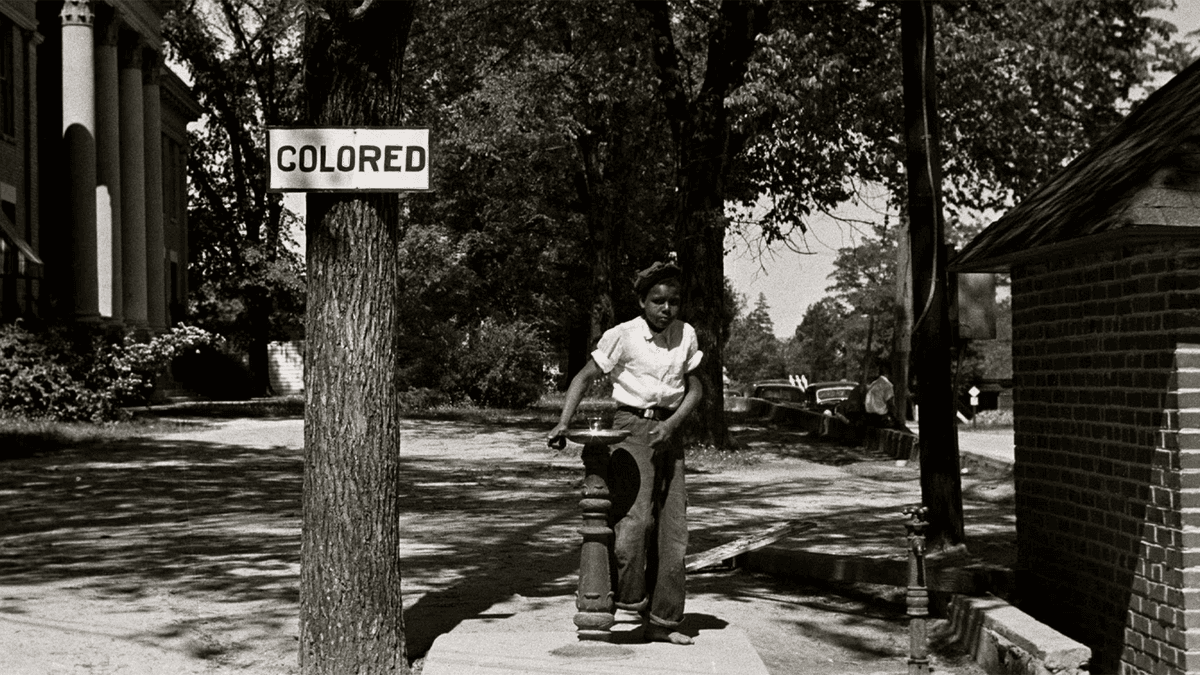
Jim Crow and Plessy v. Ferguson
After Reconstruction, the South built a legal system to enforce racial segregation and strip African Americans of political power. The Supreme Court’s Plessy v. Ferguson decision in 1896 made 'separate but equal' the law of the land—cementing injustice for decades.
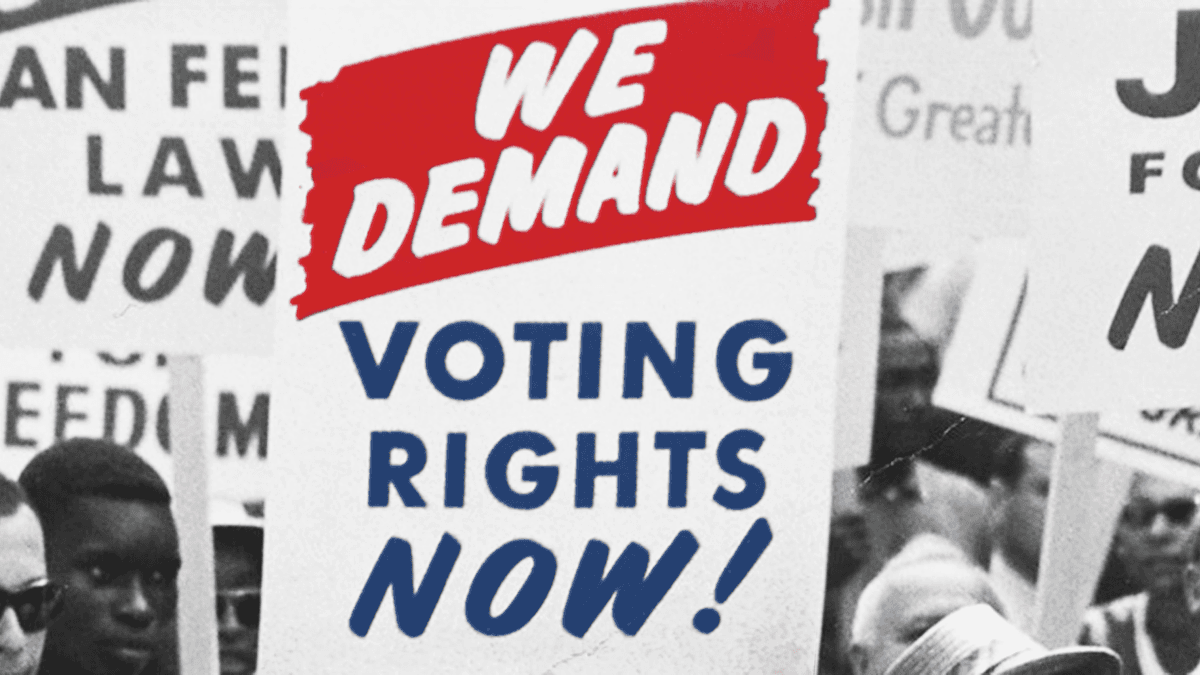
Universal Suffrage in the United States
The right to vote wasn’t handed to everyone—it was fought for, over centuries, by people demanding that democracy actually mean everyone has a voice.
Further Reading
Stay curious!