

Massachusetts Passes First U.S. Child Labor Law
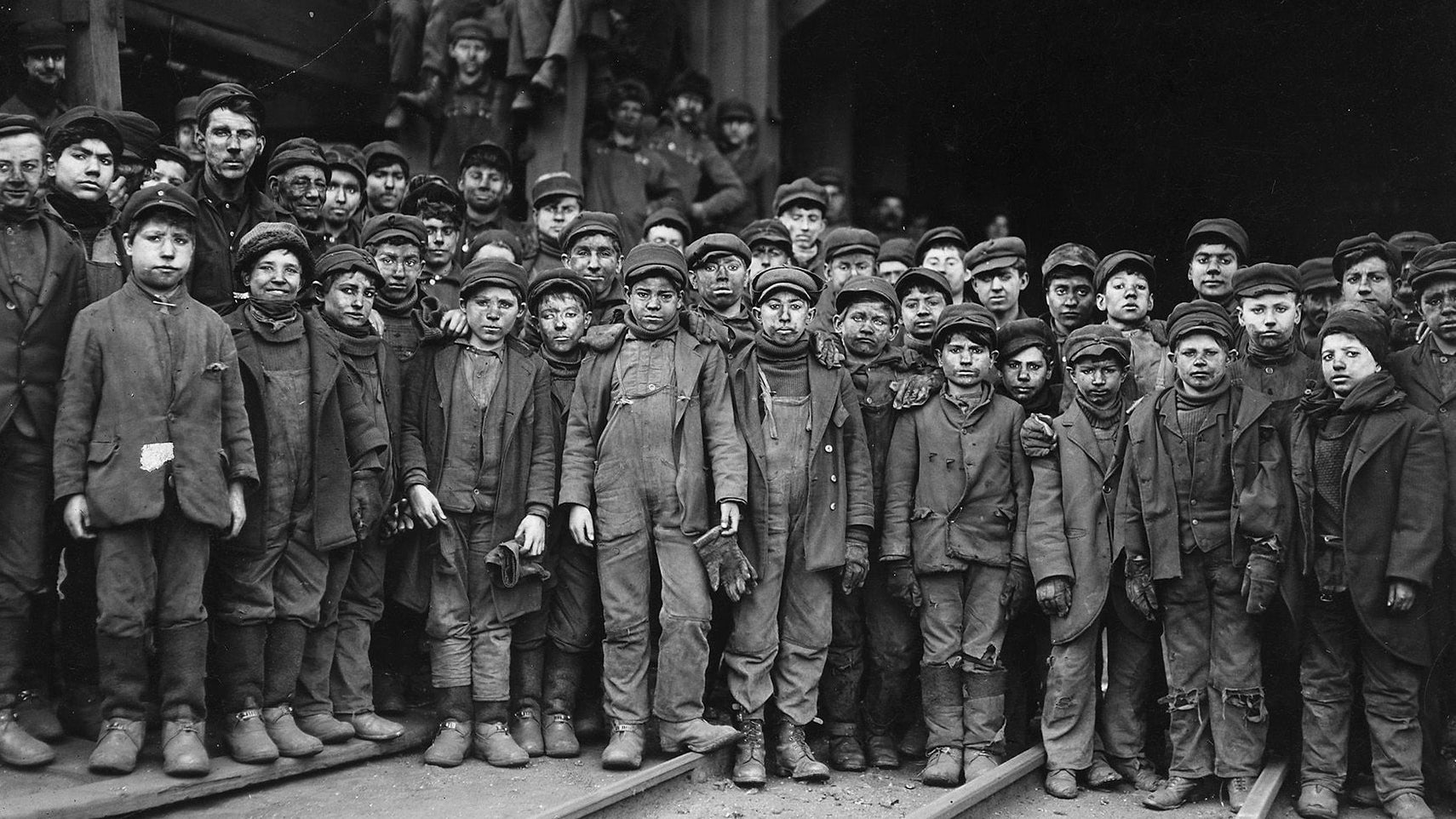
A historical photo of child laborers in a 19th-century textile mill, reflecting the harsh working conditions that led to labor reform.
What Happened?
In the early 19th century, child labor was the norm, not the exception. Factories, mills, and mines relied on the small hands and cheap wages of child workers, some as young as five. Children worked grueling hours in hazardous conditions, receiving little to no education. Reformers began pushing for laws to protect children, and Massachusetts became the first state to respond, passing a law in 1842 that limited children under 12 to a 10-hour workday.
While groundbreaking in theory, the law was almost impossible to enforce. Many employers ignored the restrictions, and children continued working long hours in dangerous environments. Similar laws followed in other New England states, but without meaningful oversight, they remained largely symbolic.
The fight against child labor gained momentum in the late 19th and early 20th centuries. Stories like that of Camella Teoli, a young mill worker who lost part of her scalp in a factory accident, shocked the nation and spurred demands for stronger protections. Reformers lobbied for federal intervention, leading to the passage of the Keating-Owen Act in 1916, which banned child labor in interstate commerce. However, the Supreme Court struck it down, ruling it unconstitutional.
It wasn’t until the passage of the Fair Labor Standards Act in 1938—nearly a century after Massachusetts’ first attempt—that child labor protections became enforceable nationwide. The FLSA set a federal minimum wage, limited working hours, and banned child labor in most industries. Over time, economic shifts, compulsory education laws, and changing societal attitudes helped bring an end to widespread child labor in the U.S.
Today, while child labor laws prevent most forms of exploitation, challenges remain. Loopholes still allow for child labor in agriculture, where thousands of children work long hours in fields under harsh conditions. Globally, child labor persists in supply chains, raising ethical concerns about labor practices in industries ranging from fashion to technology.
The Massachusetts law of 1842 was a first step—a small but significant move toward recognizing that children are not disposable laborers, but individuals deserving of education, safety, and opportunity.
Why It Matters
The fight against child labor in the United States was a long and hard-fought battle, and the Massachusetts law of 1842 represents one of its earliest victories—albeit an incomplete one. While it took nearly 100 years for child labor to be effectively outlawed nationwide, the early reformers laid the groundwork for future protections. Today, child labor remains a global issue, with millions of children still trapped in exploitative conditions. Understanding history reminds us that progress is never automatic—it requires vigilance, activism, and a commitment to justice.
?
Why was child labor so common in the 19th century, and what were the main arguments used to justify it?
How did economic and technological changes contribute to the decline of child labor in the U.S.?
What role did activists and reformers play in the fight to end child labor, and what strategies did they use?
Why did the Supreme Court strike down early federal child labor laws, and how was the issue finally resolved?
What forms of child labor still exist in the United States and around the world today?
Dig Deeper
The 1900 US Federal Census revealed that 1.75 million children under the age of 16, more than one in five, were gainfully employed. They worked all over the country in cotton mills, glass blowing factories, sardine canneries, farms, and even coal mines.
Related
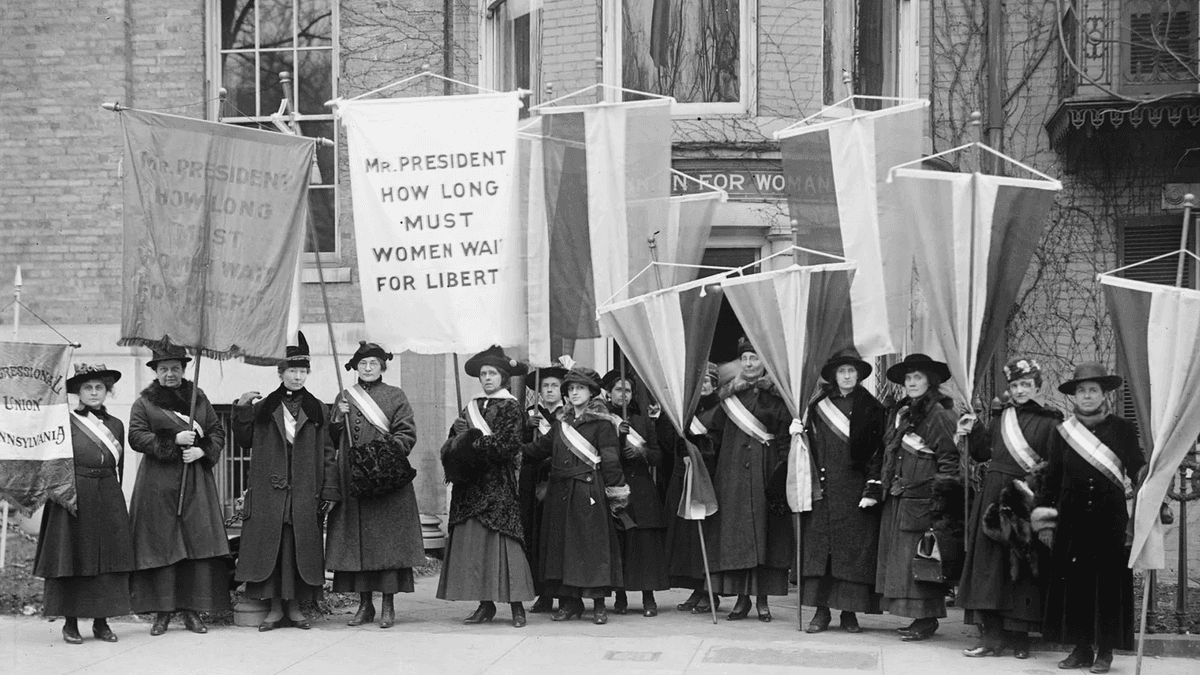
The Progressive Era: Reform, Regulation, and the Limits of Change
From breaking up monopolies to marching for women’s votes, the Progressive Era sought to fix America’s problems — but often left some voices out of the conversation.
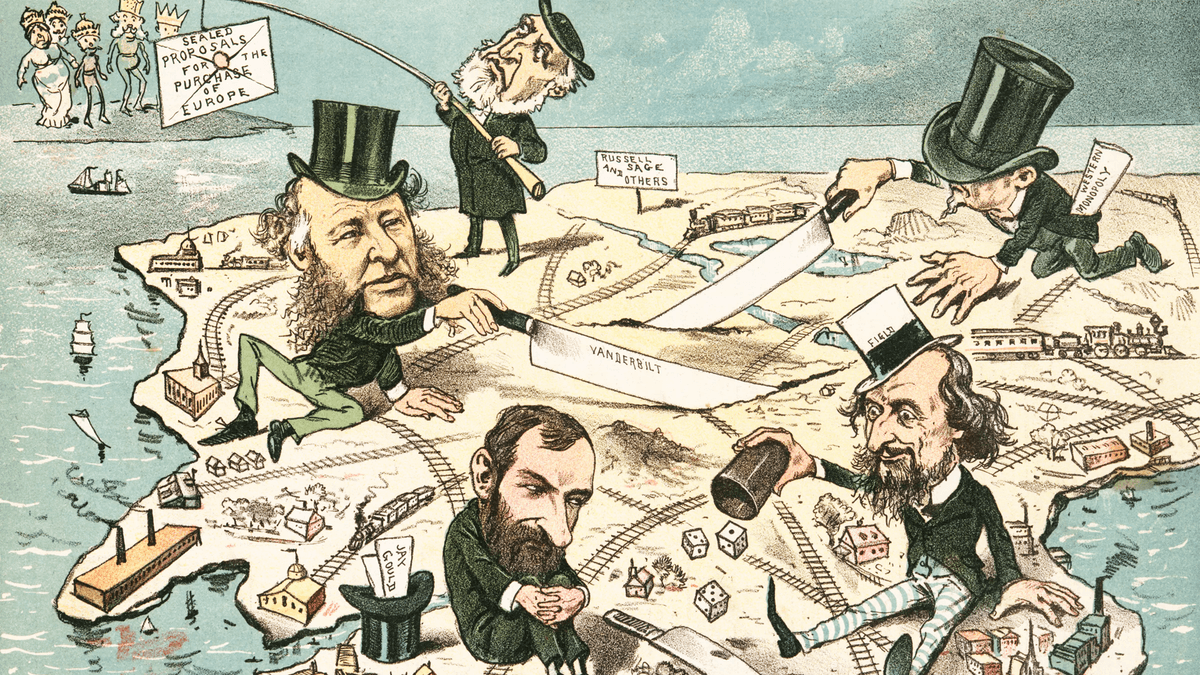
The Gilded Age: Glitter, Growth, and the Cost of Progress
A glittering era of innovation and industry, the Gilded Age promised progress but delivered inequality. In the South, leaders dreamed of a 'New South,' yet industrialization offered opportunity for some while reinforcing systems of poverty and discrimination for others.
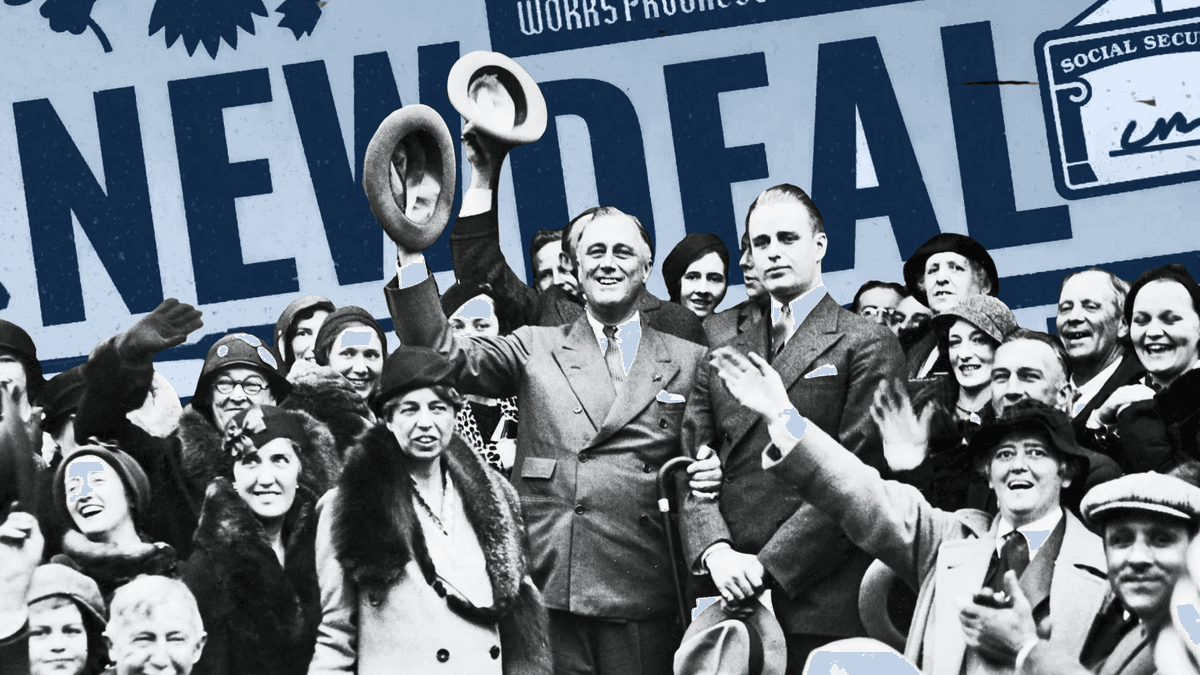
The New Deal: Fighting Depression with Bold Ideas
Faced with economic collapse, President Franklin D. Roosevelt launched a revolutionary plan to rebuild America from the ground up. The New Deal wasn’t just policy—it was a bold experiment in hope, action, and government responsibility.
Further Reading
Stay curious!