

The Civil War Begins: Shots Fired at Fort Sumter
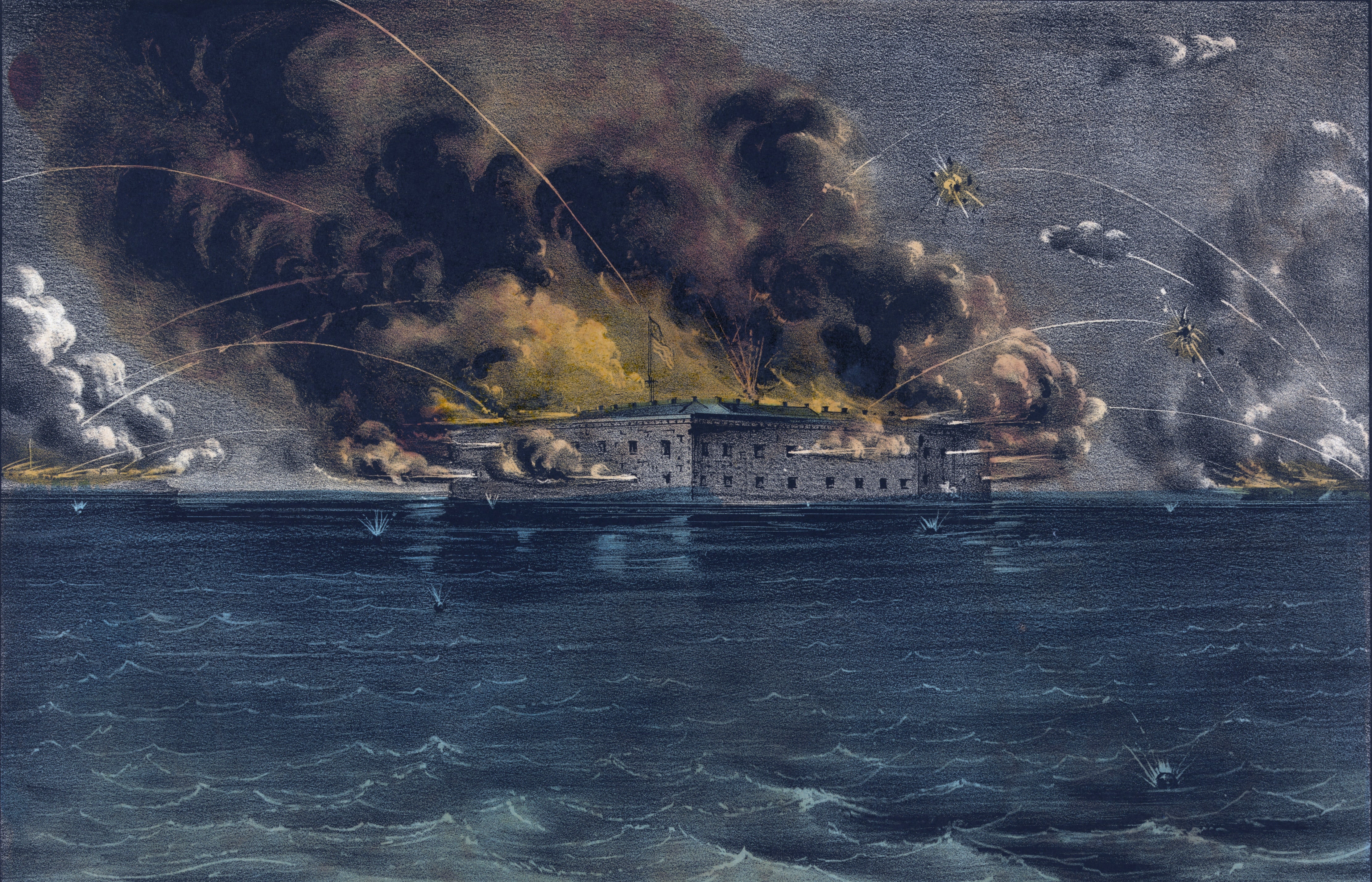
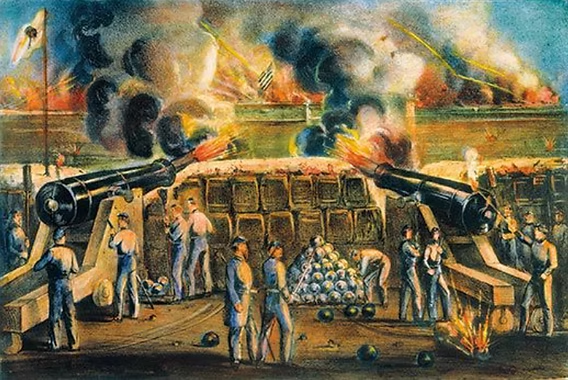
Cannons firing on Fort Sumter as smoke rises over Charleston Harbor at the start of the Civil War
What Happened?
For decades before 1861, the United States was deeply divided over slavery, economics, and the power of the federal government. When Abraham Lincoln was elected president in 1860 on a platform opposing the spread of slavery, many Southern states saw this as a threat to their way of life and chose to leave the Union.
South Carolina became the first state to secede, and soon six more followed. Together, they formed the Confederate States of America, a new government built on preserving slavery. As tensions grew, Confederate forces began taking control of federal forts across the South, including those in Charleston Harbor.
Fort Sumter remained under Union control, but it was surrounded by Confederate troops and running low on supplies. When President Lincoln announced he would send supplies to the fort, Confederate leaders saw it as a threat and decided to act before reinforcements could arrive.
Early in the morning on April 12, 1861, Confederate forces opened fire on Fort Sumter. For nearly 36 hours, cannons bombarded the fort as Union soldiers tried to hold their ground. Outnumbered and undersupplied, Major Robert Anderson eventually surrendered, marking the first battle of the Civil War.
Although few people were killed during the attack itself, the impact was massive. Both the North and South quickly called for soldiers, and what had been a political conflict turned into a full-scale war that would last four years and cost hundreds of thousands of lives.
The Civil War wasn't simply about disagreement between regions. It was rooted in the question of slavery and human freedom. Southern leaders made it clear that they were fighting to protect a system that treated Black people as property, while the Union ultimately fought to preserve the nation and, later, to end slavery.
Why It Matters
The firing on Fort Sumter marked the start of the Civil War, one of the most defining and painful chapters in American history. The conflict ultimately led to the end of slavery and forced the nation to confront and redefine its identity. This moment shows how quickly tensions can erupt when deep divisions—especially over inequality and injustice—go unresolved. By understanding the causes and consequences of the Civil War, we gain a clearer, more honest view of the nation’s past and the lasting impact of conflicts over human rights.
?
Why did Southern states choose to leave the Union after Lincoln’s election?
What role did slavery play in causing the Civil War?
Why was Fort Sumter an important location at the start of the war?
How did the attack on Fort Sumter turn a political conflict into a full war?
What lessons can we learn from how the Civil War began?
Dig Deeper
Learn about the causes of the Civil War and the events that led to the first shots at Fort Sumter.
Explore how the Civil War shaped the United States and changed the nation forever.
Related
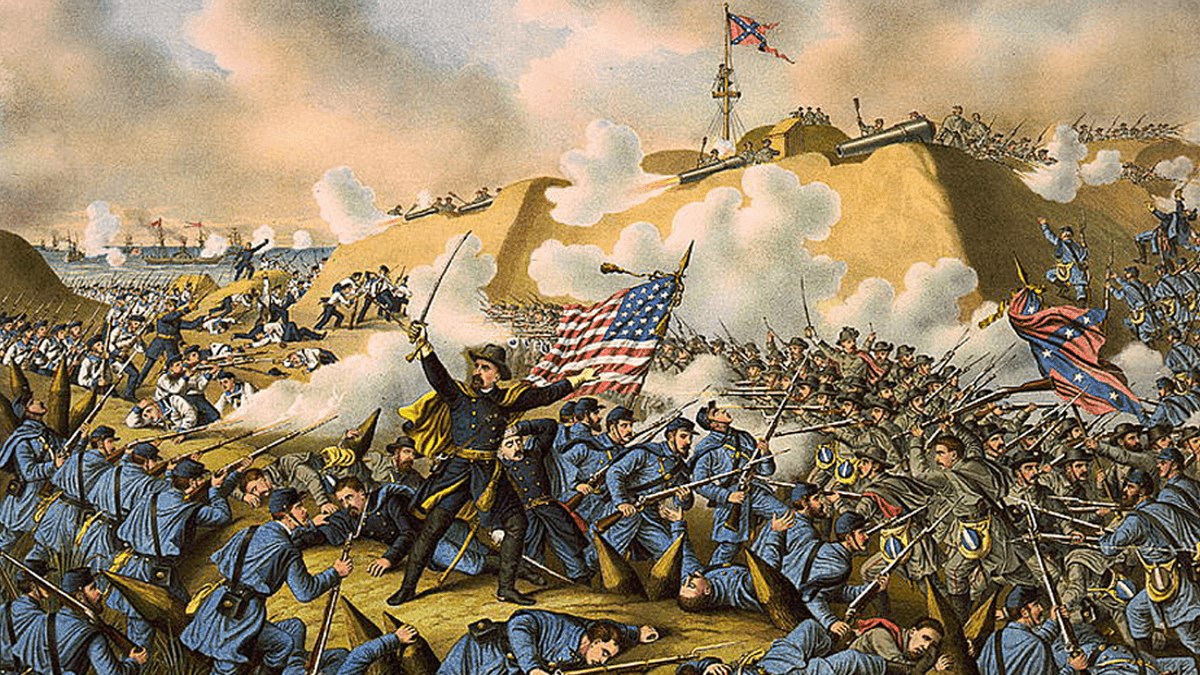
The American Civil War & North Carolina’s Role (1861–1865)
A nation divided, a state conflicted, and four years that reshaped American life forever.
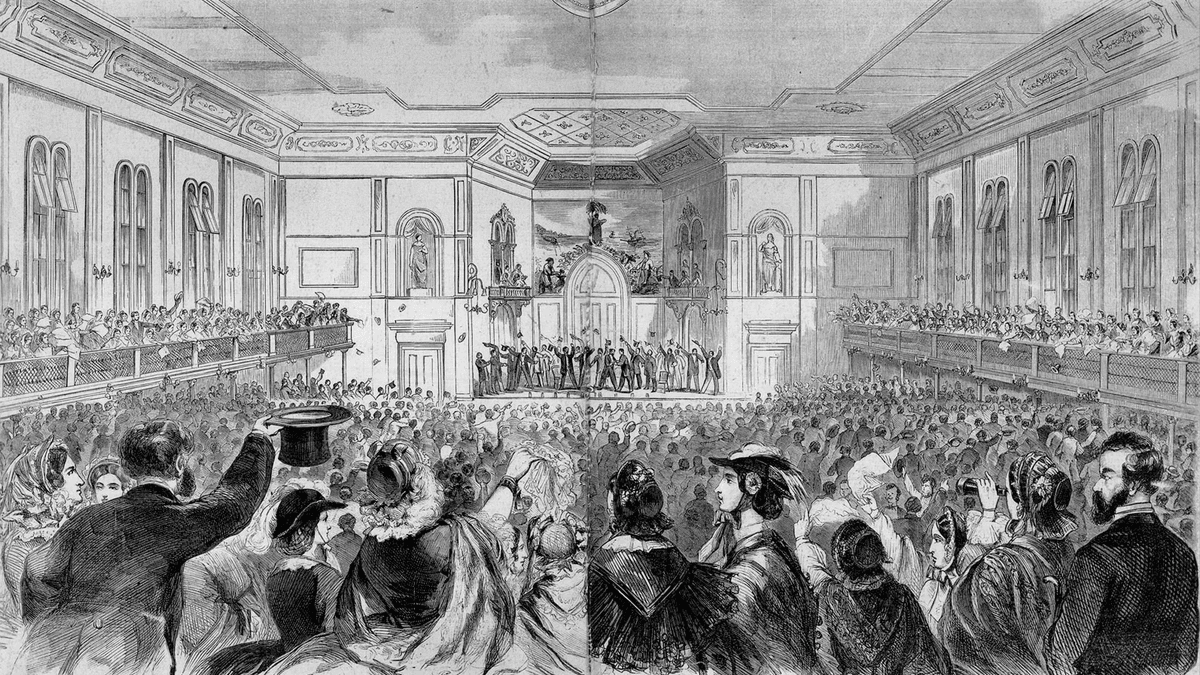
North Carolina’s Road to Secession
Why a state known for hesitation became a decisive force in the Confederacy.
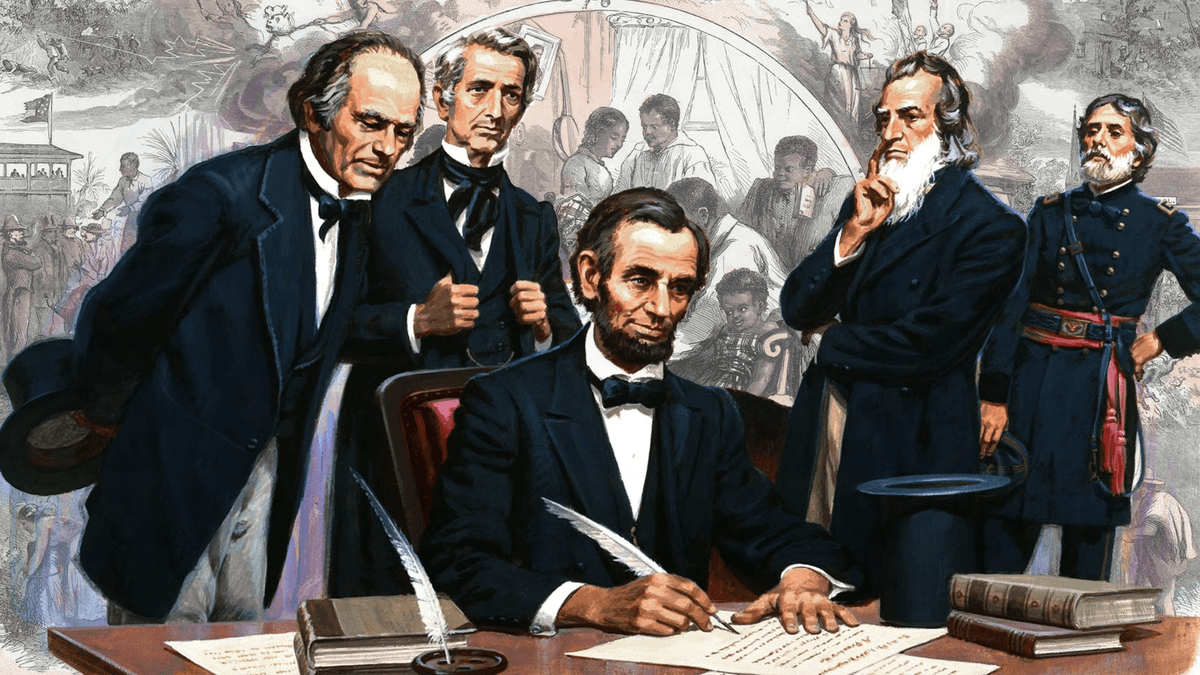
The Emancipation Proclamation & The 13th Amendment
Freedom on paper is one thing; freedom in practice is another. The Emancipation Proclamation and the 13th Amendment were giant leaps toward liberty—yet the road ahead for formerly enslaved people was long and uneven.
Further Reading
Stay curious!