

Entente Cordiale Signed: Rivals Rethink the Relationship
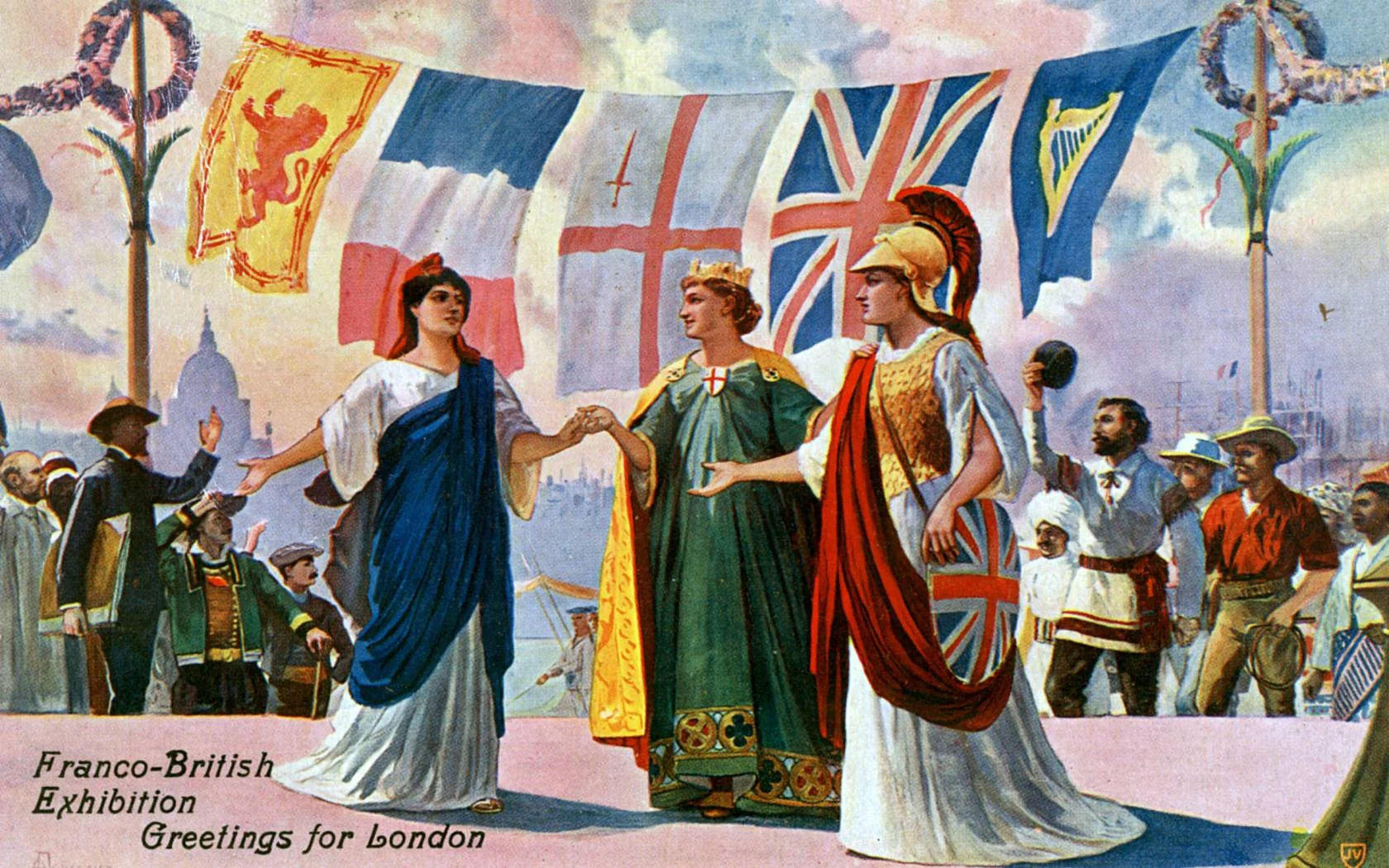
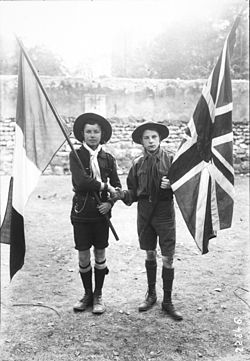
British and French diplomats in 1904 signing the Entente Cordiale agreement
What Happened?
For centuries, Britain and France were locked in competition—fighting wars, clashing over empires, and competing for global influence. But by the early 1900s, both nations began to realize that constant rivalry was costly and dangerous, especially as new global tensions began to rise. On April 8, 1904, Britain and France signed the Entente Cordiale, a set of agreements that helped settle long-running disputes between them and reduce the risk of conflict.
One of the biggest problems between them involved imperial control in Africa. Britain wanted freedom to dominate Egypt, while France wanted greater influence in Morocco. Earlier tensions, including the Fashoda crisis of 1898 in Sudan, had shown how easily their competition could bring them close to conflict. The Entente Cordiale eased this danger by recognizing British influence in Egypt and French influence in Morocco, while also addressing other colonial disagreements in places such as Newfoundland, Siam, Madagascar, and the New Hebrides.
The agreement did not mean Britain and France suddenly became close friends, and it was not a formal military alliance. Instead, it was a practical diplomatic understanding. Both countries saw that cooperation served their interests better than endless imperial competition. Leaders on both sides, including French foreign minister Théophile Delcassé and British foreign secretary Lord Lansdowne, worked carefully to build this new relationship. Public visits by King Edward VII and French President Émile Loubet also helped soften hostility and improve public opinion.
The Entente Cordiale mattered not only because it ended colonial quarrels, but also because it changed the balance of power in Europe. Britain had long preferred what was called 'splendid isolation,' staying apart from continental entanglements. But rising concern about Germany’s growing power, military ambition, and unpredictable diplomacy made British leaders more willing to work with France. France, for its part, saw cooperation with Britain as a way to strengthen its position against Germany.
Although the agreement itself did not require military cooperation, it made future military discussions possible. Over time, British and French officials began to communicate more seriously about shared strategic concerns. When Germany later challenged French influence in Morocco during the crises of 1905 and 1911, Britain supported France, and the Entente became stronger. This helped lay the foundation for the broader partnership later known as the Triple Entente between Britain, France, and Russia.
The Entente Cordiale also shows that diplomacy is often less about affection than about interests, timing, and power. Britain and France did not erase their past, but they did choose a new path because the international situation demanded it. Their agreement became one of the key developments that divided Europe into competing blocs before World War I. In that sense, the Entente Cordiale helped reduce one conflict while also contributing to the larger alliance system that shaped the modern world.
Why It Matters
The Entente Cordiale shows how former rivals can shift from conflict to cooperation when circumstances change. It highlights the power of diplomacy to prevent conflict, rebalance power, and shape global alliances. This moment also helps us understand how strategic partnerships—not just friendships—can influence major world events like World War I.
?
Why did Britain and France decide to resolve their conflicts in 1904?
How did Germany’s actions test the strength of the Entente Cordiale?
What is the difference between a diplomatic agreement and a military alliance?
How did the Entente Cordiale contribute to the start of World War I?
Why might countries choose cooperation over conflict even if they don’t fully trust each other?
Dig Deeper
A clear explanation of how Britain and France moved from rivalry to cooperation and why it mattered.
Related
The Monroe Doctrine
How a young United States told the world to stay out of the Western Hemisphere—and what that meant for the Americas.
Why the United States Entered World War I
In 1917, after years of neutrality, the United States entered World War I—reshaping global politics and transforming life at home.
U.S. Imperialism: The Spanish-American War and Its Aftermath
In 1898, the United States fought Spain in a short war that reshaped its identity—from a republic born in anti-colonial revolution to a global imperial power with overseas territories.
Further Reading
Stay curious!