

The Sinking of the Lusitania
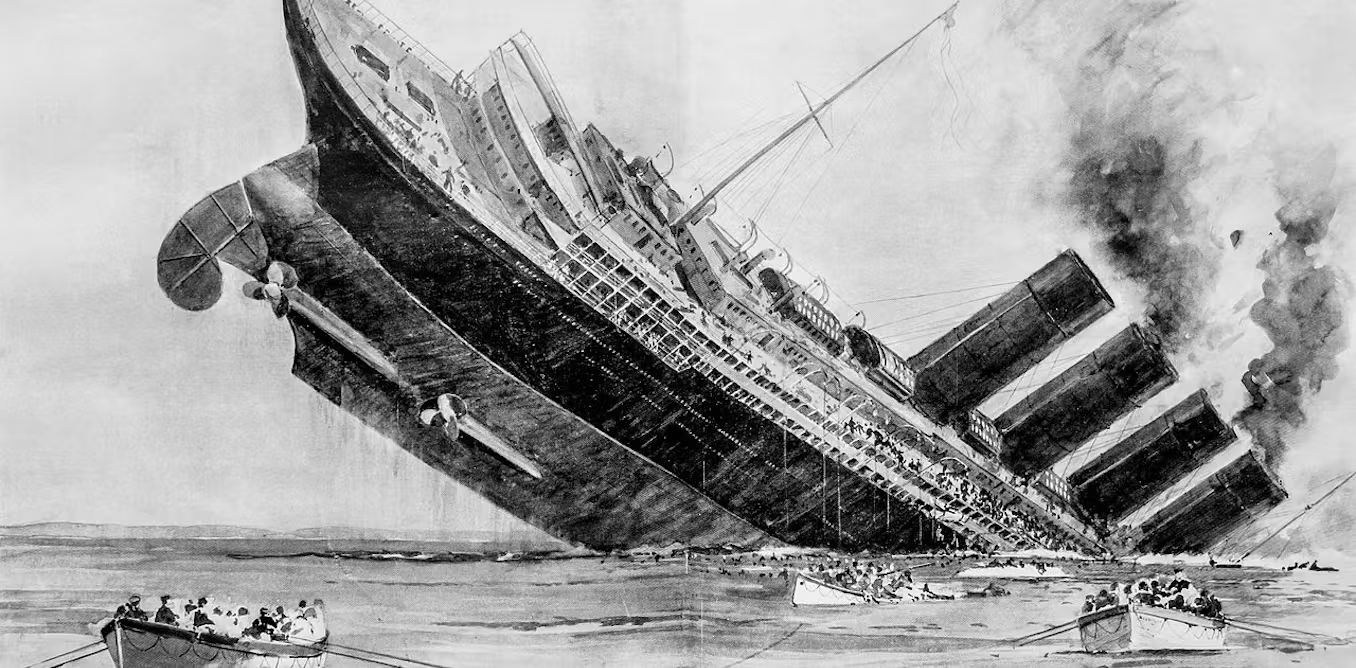
The sinking Lusitania, tilted and taking on water, surrounded by chaos in the open sea.
What Happened?
In 1915, as World War I raged across Europe, the United States was still officially neutral. President Woodrow Wilson had promised to keep the country out of the war, even as Europe was consumed by conflict. Britain, relying on its powerful navy, enforced a strict blockade to cut off food, weapons, and supplies to Germany, hoping to weaken its enemy over time. In response, Germany turned to a new kind of warfare: submarine attacks using U-boats. These underwater vessels could attack ships without warning, changing long-standing rules of naval warfare.
The Lusitania was a British passenger ship known for its speed and luxury. When it left New York on May 1, 1915, bound for Liverpool, it carried nearly 2,000 people—families, workers, and travelers from different walks of life. Hidden below deck, however, was something more controversial: a large supply of ammunition and war materials. Germany had already warned that ships in British waters could be attacked, even those carrying civilians. Still, many passengers believed they would be safe.
Six days into the journey, off the coast of Ireland, a German U-boat fired a torpedo at the Lusitania. The explosion was devastating. A second blast followed—likely caused by onboard materials—and within just 20 minutes, the massive ship sank beneath the waves. Nearly 1,200 people died, including 128 Americans. The speed and scale of the disaster left little chance for escape.
Around the world, people were horrified. In the United States, anger grew as news spread of innocent lives lost. Former president Theodore Roosevelt called for strong action, while others demanded justice. Germany defended its actions, arguing that the ship was carrying military supplies and had been warned. But for many, those explanations didn’t outweigh the human cost.
President Wilson chose a cautious path. He demanded accountability but avoided rushing into war. For a time, Germany agreed to limit its submarine attacks on passenger ships. However, tensions continued to rise. More ships were attacked. Trust eroded. Then, in 1917, Germany resumed unrestricted submarine warfare and sent the infamous Zimmermann Telegram, proposing an alliance with Mexico against the United States. That moment pushed America to act. Soon after, the U.S. entered World War I.
Why It Matters
On May 7, 1915, the sinking of the RMS Lusitania during World War I forced the world to confront a new and unsettling reality: war was no longer limited to distant battlefields but could strike civilians suddenly and without warning. While the disaster did not immediately bring the United States into the conflict, it reshaped public opinion by making the war feel personal, exposing the limits of neutrality in an age of modern, industrialized warfare. The tragedy became a turning point, revealing that the rules of war were shifting and that the line between soldier and civilian was dangerously blurred. More than a loss of life, the Lusitania challenged nations to reconsider responsibility, morality, and the human cost of conflict while raising enduring questions about who is protected in war and how moments of crisis can alter the course of history.
?
Why did Germany target the Lusitania, and was the attack legal under international law?
What role did the sinking play in shifting American public opinion about entering World War I?
How did media coverage influence the narrative around the Lusitania tragedy?
What does the story of the Lusitania reveal about the blurred line between civilian and military targets in modern warfare?
Could the attack on the Lusitania have been avoided, or was it inevitable given the circumstances?
Dig Deeper
On May 7, 1915 the luxury ocean liner Lusitania was torpedoed by a German U-boat. It took only 18 minutes for the ship to sink beneath the waves, leaving 1,198 dead -- including 128 Americans.
When German U-boat Commander Walther Schwieger ordered a torpedo strike on the Lusitania, he didn't know it would be the shot that eventually led the U.S. into WWI. But it wasn't a mistake, either.
Related
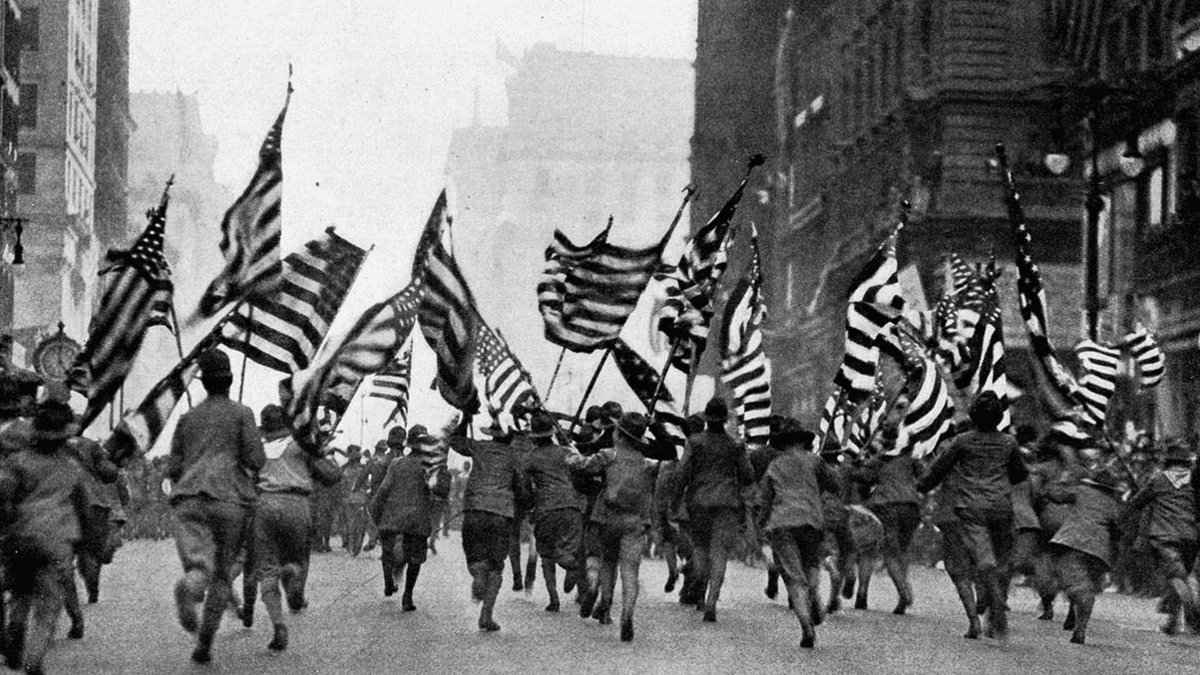
Why the United States Entered World War I
In 1917, after years of neutrality, the United States entered World War I—reshaping global politics and transforming life at home.
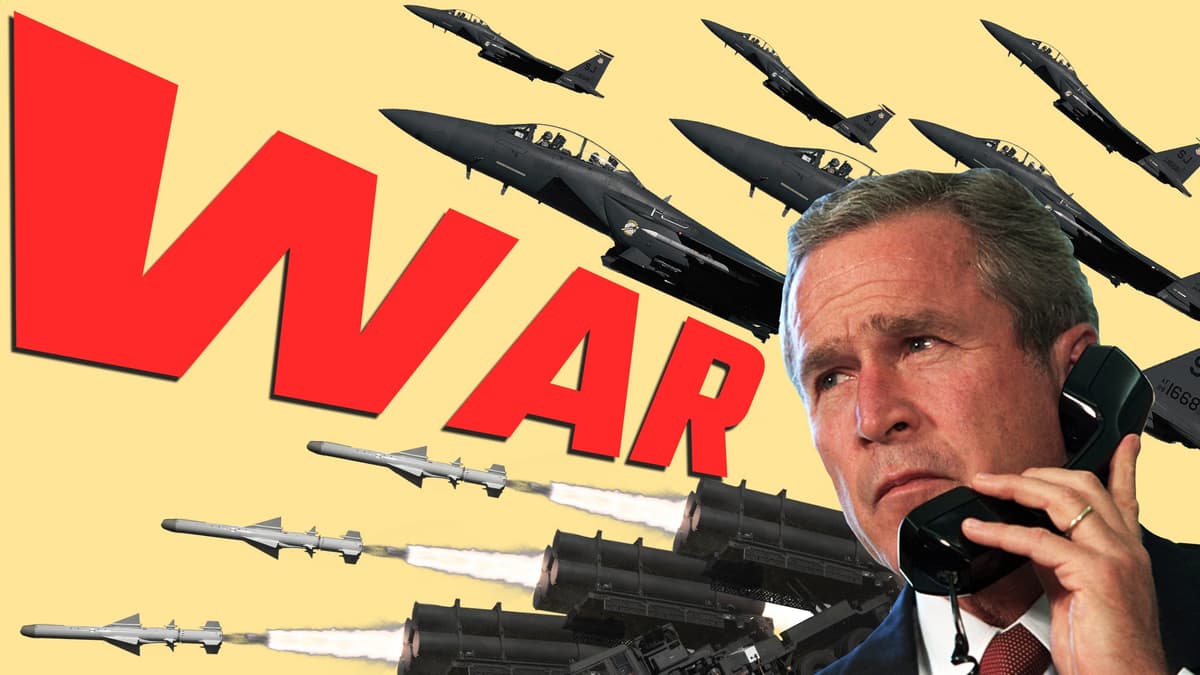
The War on Terror: A New Era of U.S. Power
After the September 11th attacks, the United States didn't just declare war on terrorism—it redefined national security, global alliances, and the limits of civil liberties.
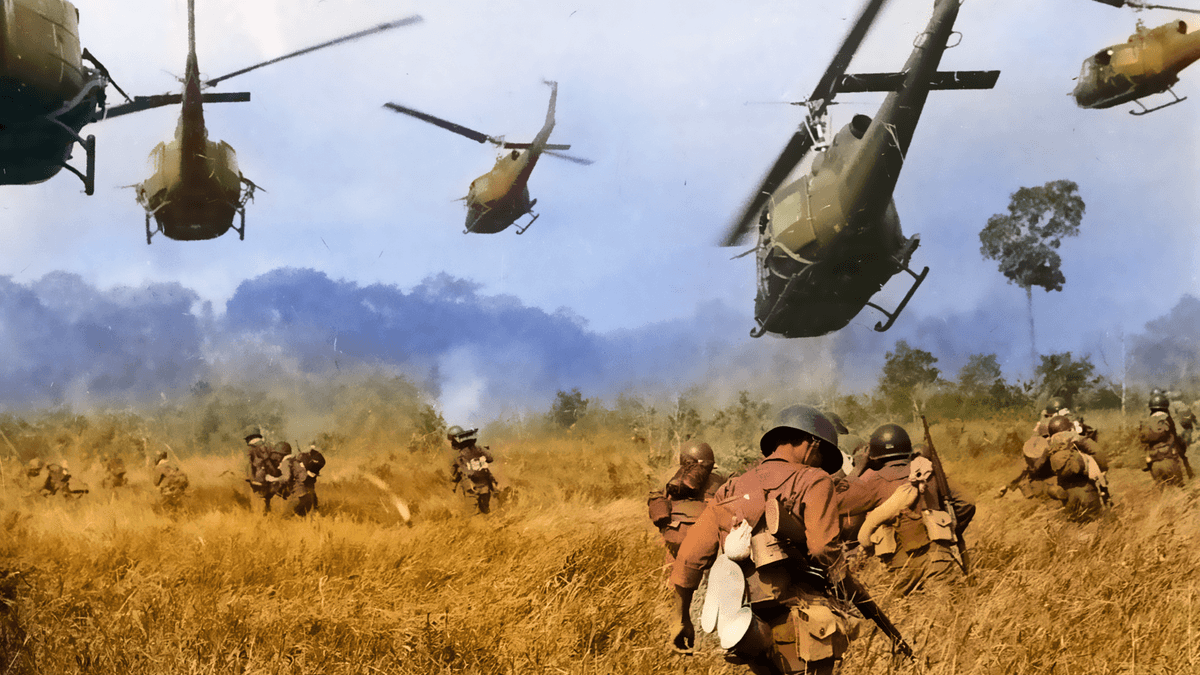
The Vietnam War: Conflict, Cold War, and Consequences
A complex war shaped by colonial history, Cold War fears, and powerful resistance—understand why the Vietnam War happened and why it still matters.
Further Reading
Stay curious!