

Prohibition Is Ratified
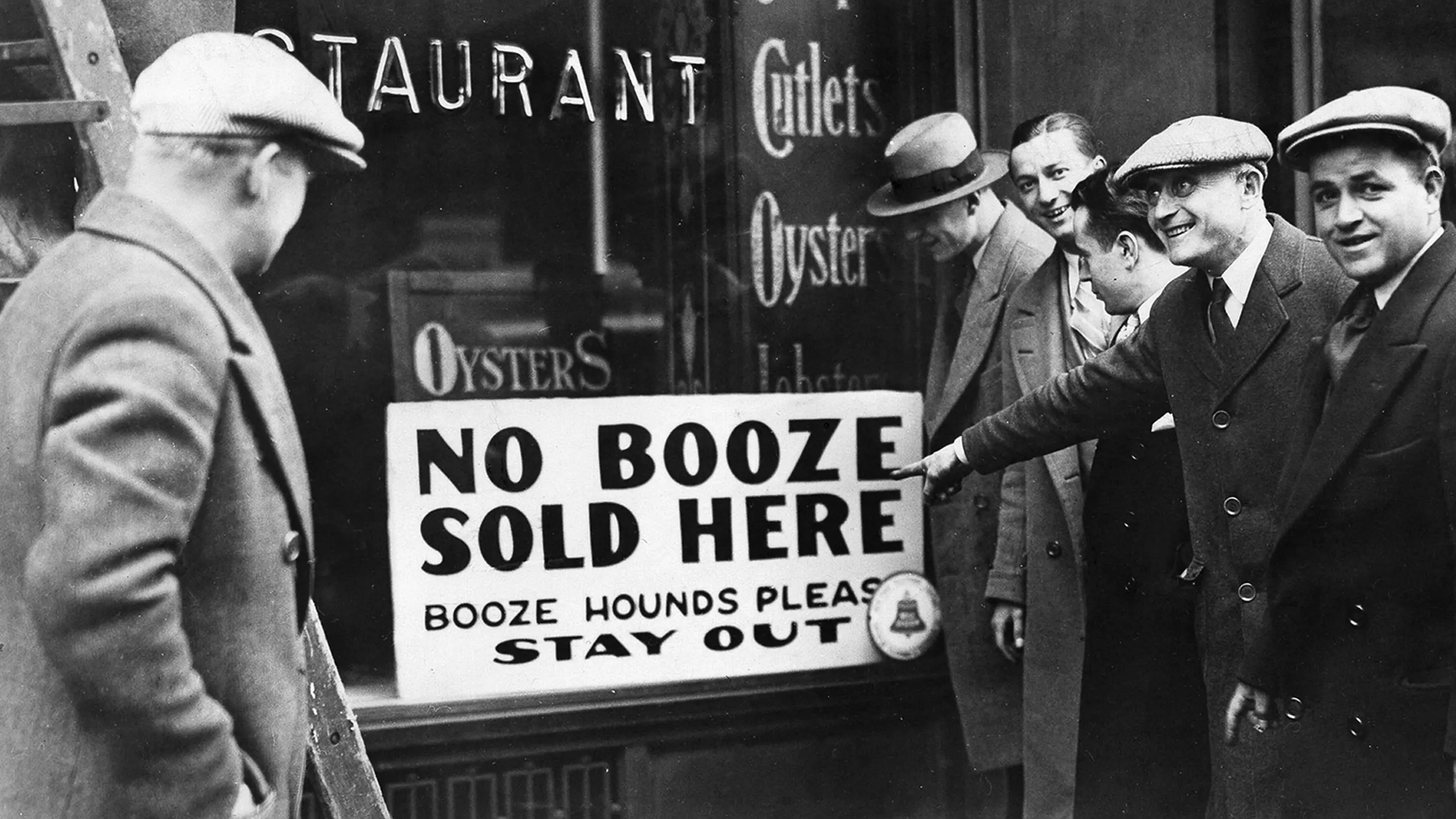
Illustration symbolizing Prohibition in the United States, with crossed-out alcohol bottles
What Happened?
On January 16, 1919, the United States took a dramatic step by ratifying the 18th Amendment, which made it illegal to manufacture, sell, or transport alcohol. Supporters believed banning alcohol would reduce crime, poverty, and family violence.
The push for Prohibition grew out of the temperance movement, which began in the early 1800s. Religious groups, reformers, and organizations like the Woman’s Christian Temperance Union argued that alcohol harmed workers, families, and communities.
During World War I, support for Prohibition increased as Americans were encouraged to save grain for food instead of alcohol. In just eleven months, enough states approved the amendment to make it part of the Constitution.
Prohibition officially went into effect in 1920 after Congress passed the Volstead Act to enforce the ban. However, enforcing the law proved difficult, especially in large cities where many people continued to drink in secret.
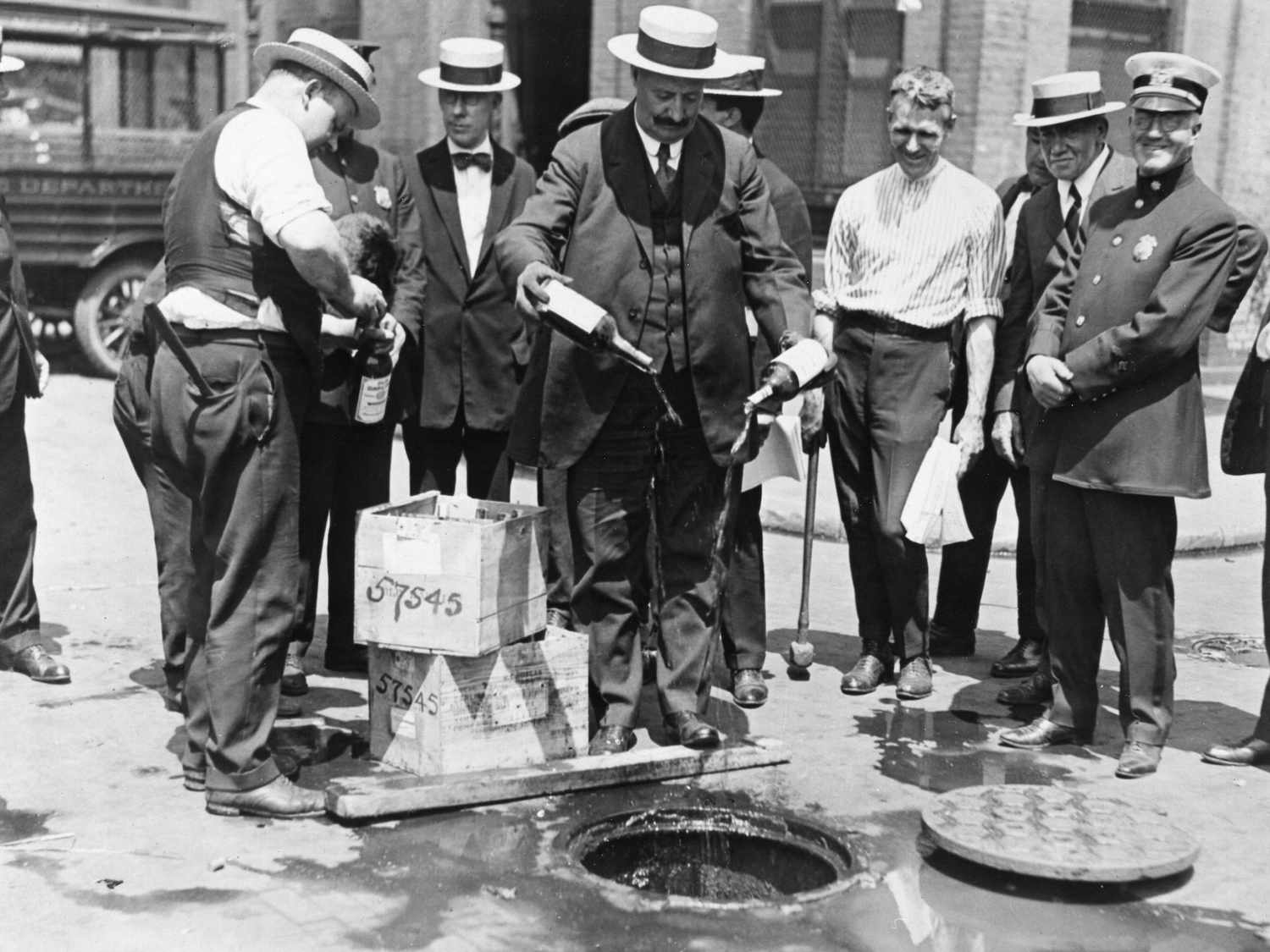
Illegal alcohol production and sales—known as bootlegging—exploded. Hidden bars called speakeasies spread, and organized crime groups grew powerful by supplying liquor, leading to increased violence and corruption.
Instead of eliminating alcohol, Prohibition created new problems, including unsafe homemade liquor, overcrowded prisons, lost tax revenue, and weakened trust in law enforcement.
By the early 1930s, many Americans agreed that Prohibition had failed. In 1933, the 21st Amendment repealed the 18th, ending the Prohibition era and showing how even well-intended laws can have serious unintended consequences.
Why It Matters
Prohibition shows how laws meant to improve society can sometimes cause more harm than good. It reminds us to think carefully about how government power is used and how real people respond to strict rules.
?
Why did many Americans believe banning alcohol would improve society?
What problems did Prohibition create that lawmakers did not expect?
Why was Prohibition harder to enforce in cities than in rural areas?
How did Prohibition contribute to the rise of organized crime?
What lessons can we learn from Prohibition when creating laws today?
Dig Deeper
An accessible explanation of why Prohibition was enacted and how it unfolded.
A surprising look at what Prohibition actually banned—and what it didn’t.
Explains how Prohibition helped organized crime grow across the United States.
Related
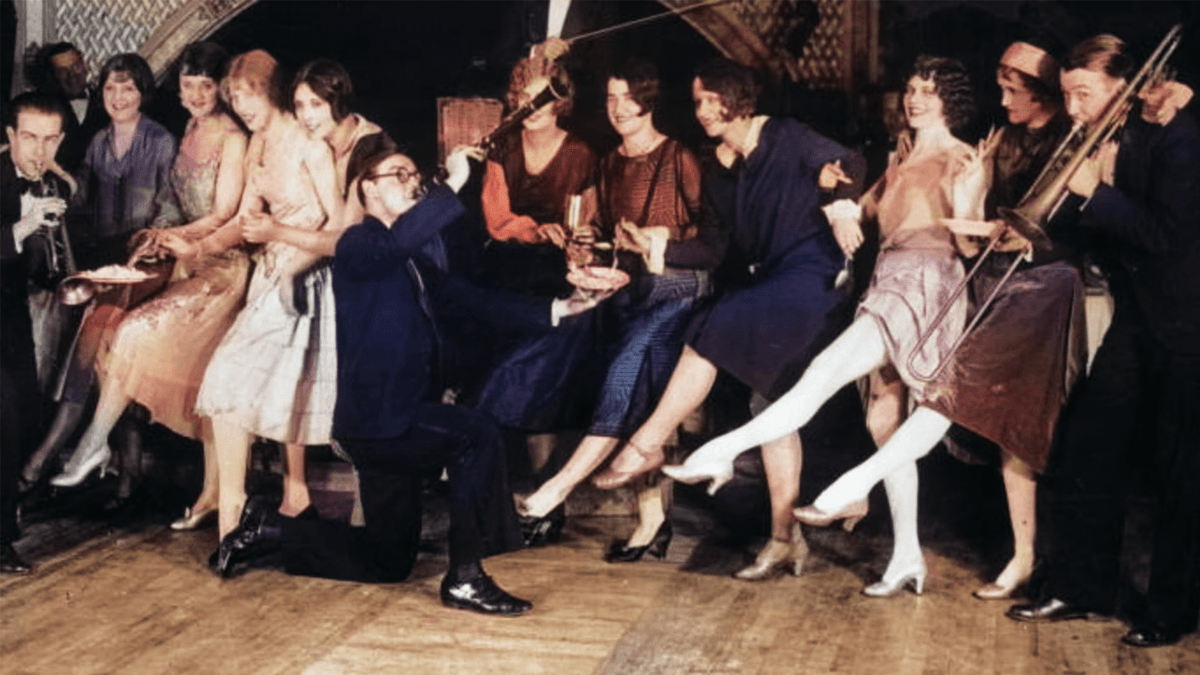
The Roaring Twenties: Prosperity, Culture, and Conflict
The 1920s were a decade of booming technology, jazz, and consumer culture—but beneath the excitement were deep social tensions and cultural conflicts.
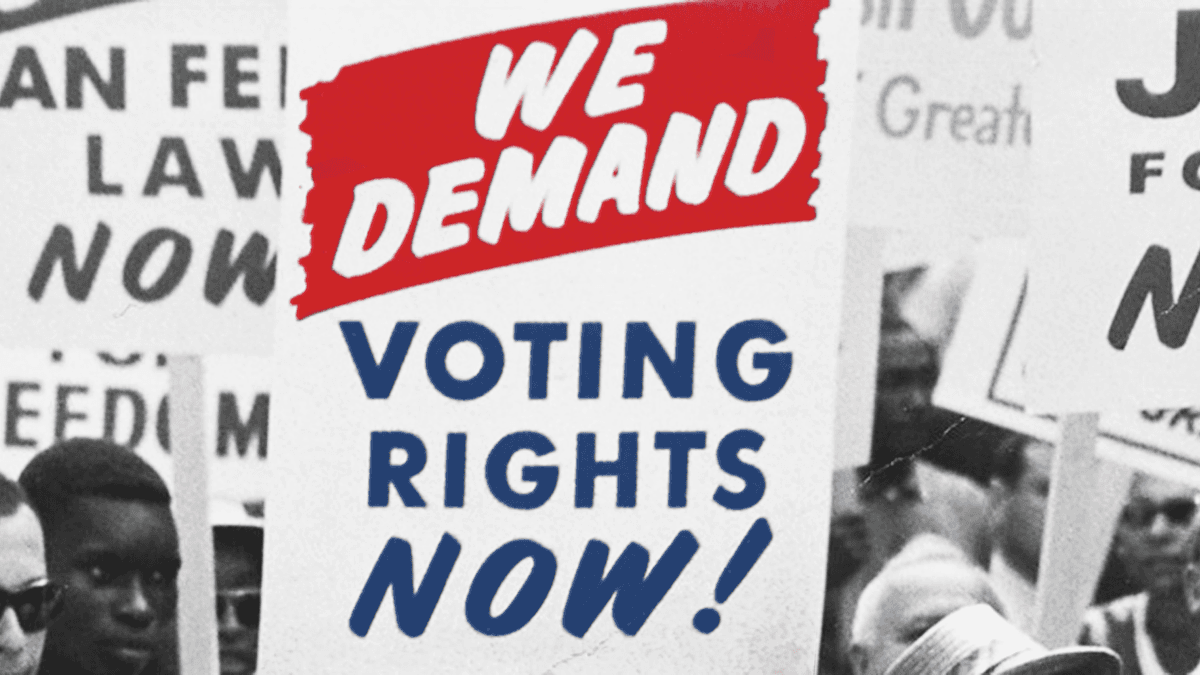
Universal Suffrage in the United States
The right to vote wasn’t handed to everyone—it was fought for, over centuries, by people demanding that democracy actually mean everyone has a voice.
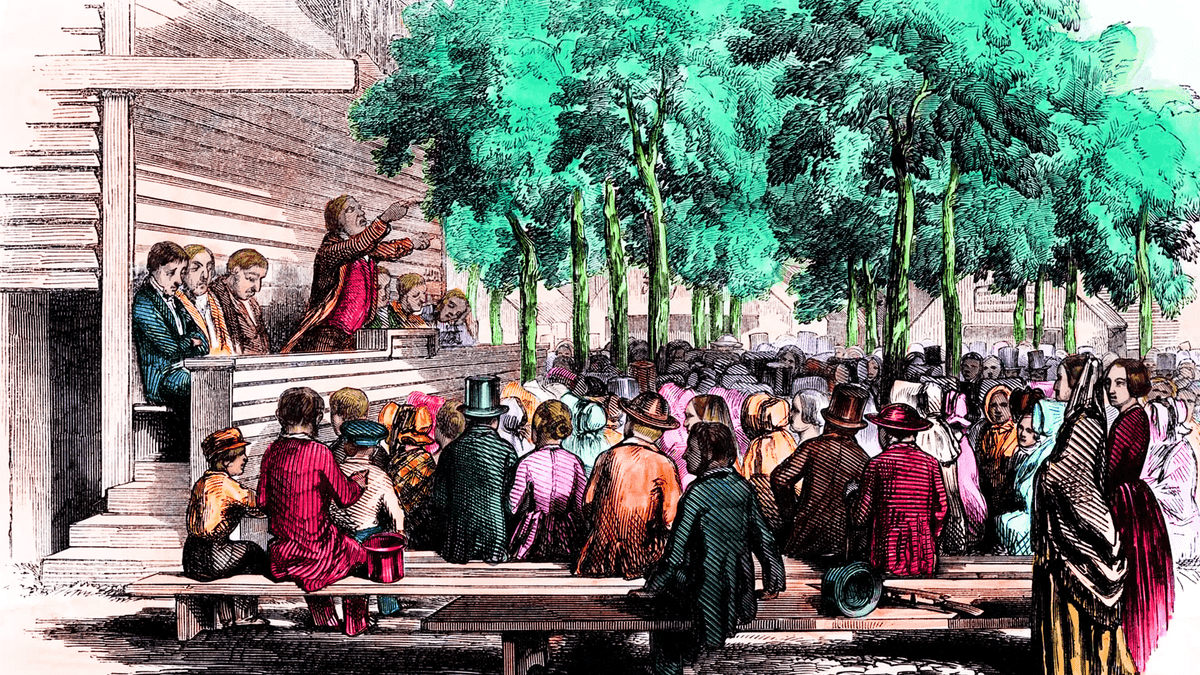
The First Great Awakening: Faith, Fire, and a New American Identity
Long before the Revolution, a different kind of rebellion was stirring, one in the soul. The First Great Awakening reshaped American religion and helped plant the seeds of self-government and democratic identity.
Further Reading
Stay curious!