

Letter from Birmingham Jail: Why It Still Matters
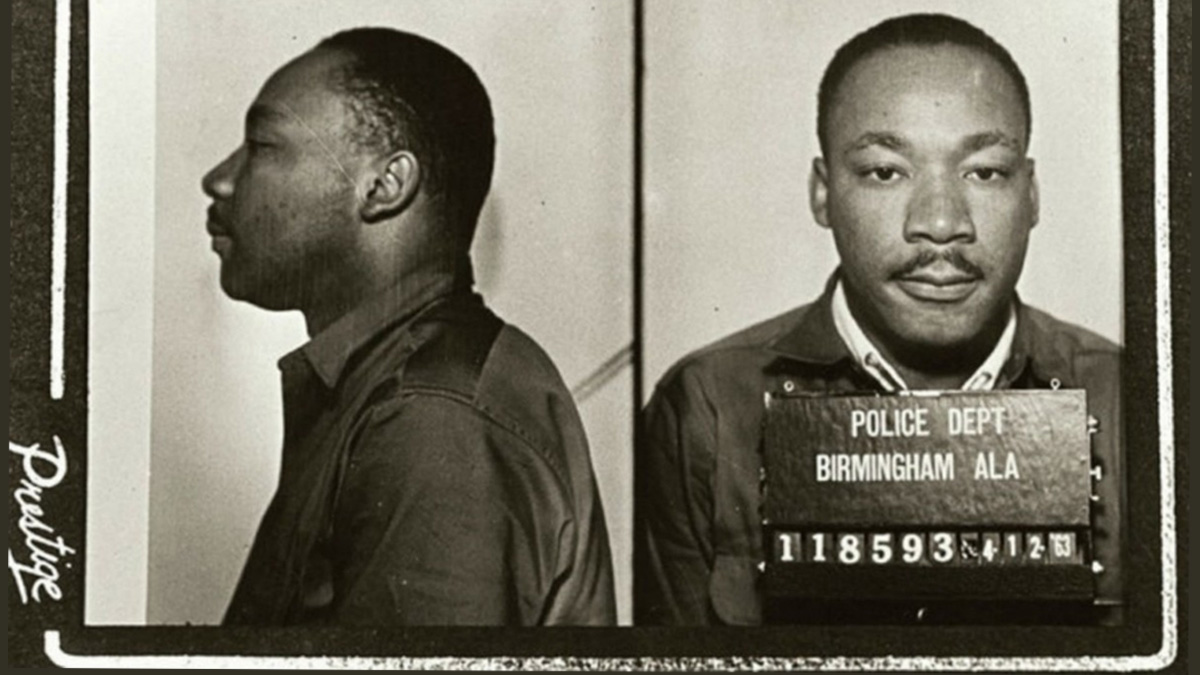
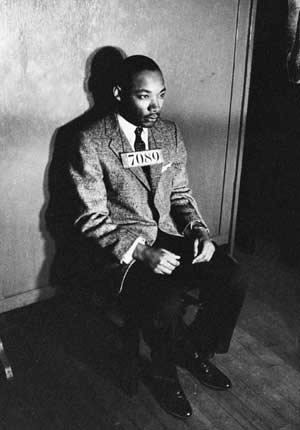
Dr. Martin Luther King Jr. writing in his jail cell in Birmingham, Alabama.
What Happened?
In April 1963, Dr. Martin Luther King Jr. was arrested in Birmingham, Alabama, for leading peaceful protests against segregation. While in jail, he read a public letter from white religious leaders who criticized the protests as 'unwise and untimely,' urging activists to be patient instead.
King responded by writing what would become the 'Letter from Birmingham Jail,' using scraps of paper and margins of newspapers. In clear and powerful language, he explained why waiting for justice was not an option, arguing that people who are suffering injustice cannot be expected to wait quietly for change.
He introduced one of his most famous ideas: that 'injustice anywhere is a threat to justice everywhere.' King reminded readers that communities are connected, and that ignoring injustice in one place weakens justice for everyone.
King also explained the purpose of nonviolent protest. He described how peaceful demonstrations create 'constructive tension'—a way to force society to face problems it has ignored. Without this pressure, he argued, those in power often refuse to negotiate or change unfair systems.
One of the most challenging parts of the letter was King’s criticism of the 'white moderate.' He argued that people who claim to support justice but prefer order and comfort over real change can slow progress more than those who openly oppose equality.
The letter helped bring national attention to the civil rights movement and shaped how people understood protest, justice, and moral responsibility. Just months later, King would deliver his 'I Have a Dream' speech, continuing the same call for equality and action.
Why It Matters
Today, the 'Letter from Birmingham Jail' remains a powerful reminder that justice requires courage, action, and a willingness to challenge unfair systems. It teaches us that doing nothing in the face of injustice is not neutral—it is a choice that can allow injustice to continue. Dr. King's 'Letter from Birmingham Jail' asks: Who do we become when faced with injustice? Do we look away, or do we rise to meet it? King's letter was a love letter to the truth and a challenge to the comfortable. It reminds us that silence is a choice, neutrality is a position, and waiting for justice is often a luxury of those who already have it. For anyone who believes in human dignity, civil rights, and the messy, necessary work of democracy—this letter is a blueprint. The fight for justice is not over, and Dr. King's words continue to whisper—sometimes shout—into the conscience of every generation.
?
What examples from modern-day activism reflect the lessons of King's letter?
What does King mean when he says 'justice too long delayed is justice denied'?
How do Dr. King's words about the 'white moderate' apply to today’s social justice movements?
Why do you think Dr. King's letter continues to resonate with people around the world over 60 years later?
What role should faith communities play in movements for social justice today?
Dig Deeper
In this document King responds to a group of white clergymen who have urged patience on the devotees of the Civil Rights Movement. But King points out that anyone who could possibly say "wait" in the face of injustice has never been under the humiliating lash of injustice itself.
Related
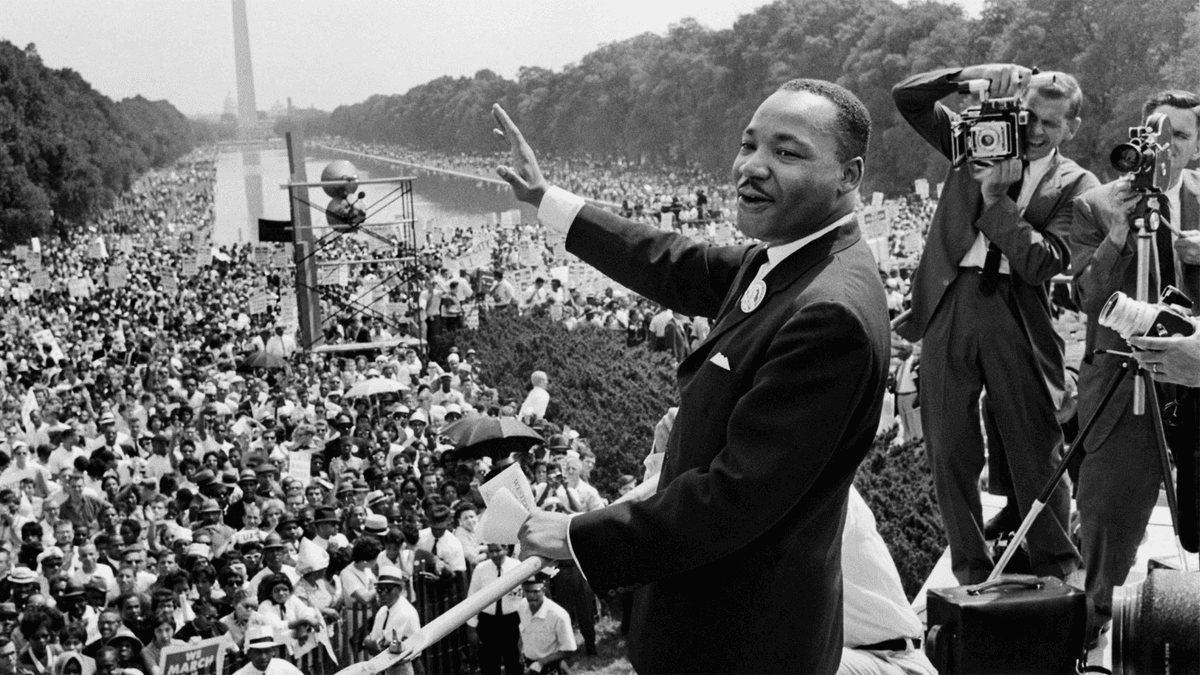
The Civil Rights Movement: Struggle, Solidarity, and Social Change
From classrooms to courthouses, buses to bridges, the Civil Rights Movement reshaped America’s laws — and its conscience.
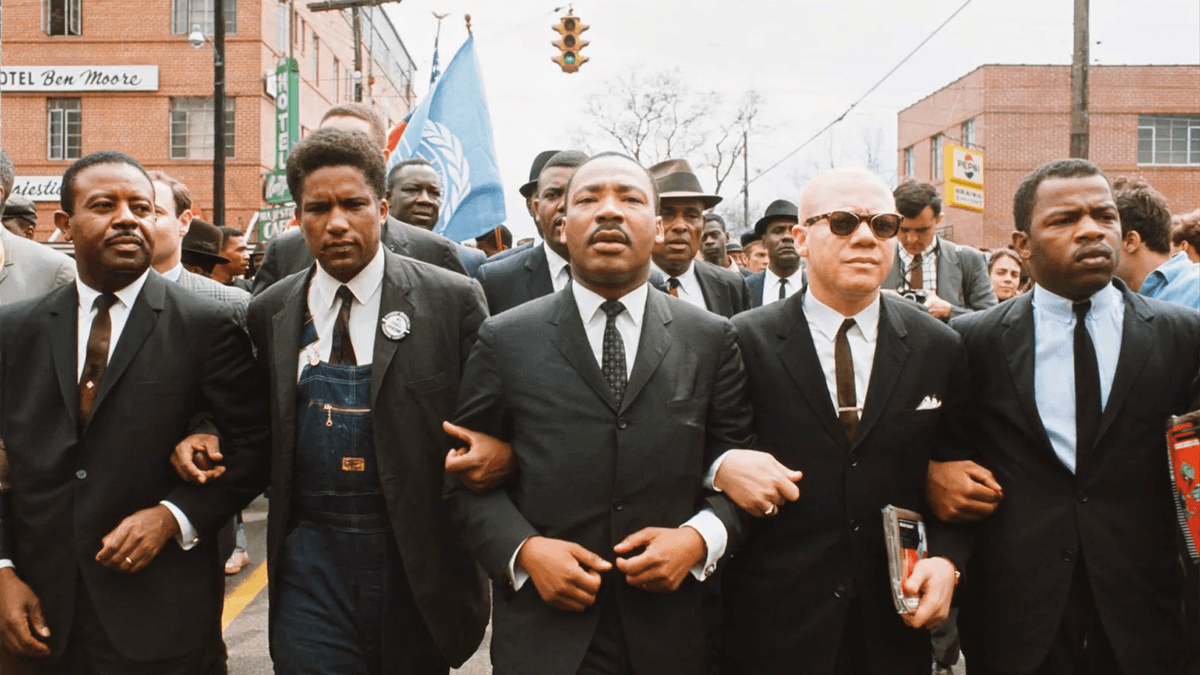
Montgomery Bus Boycott, Greensboro Sit-In, and the Rise of MLK
From Montgomery’s buses to Greensboro’s lunch counters, ordinary citizens ignited extraordinary change — and a new national leader emerged.
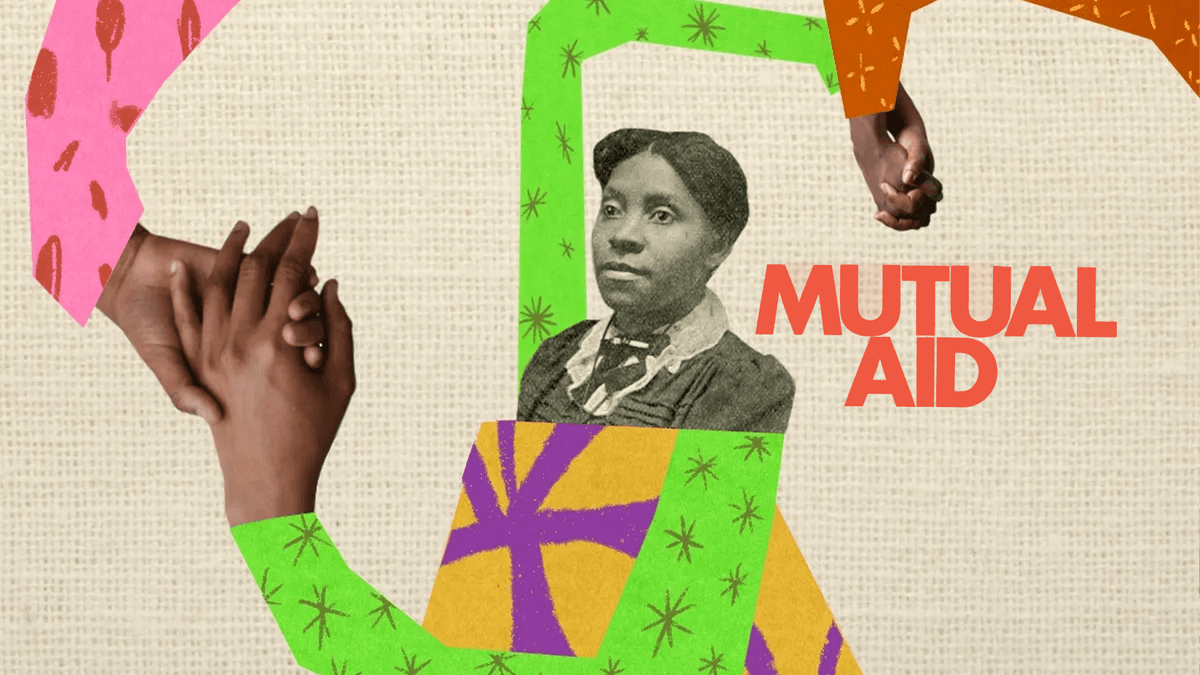
Mutual Aid: Helping Each Other, Building Power
Mutual aid is what happens when communities decide, “We’ve got us,” and organize to meet needs together—no profit, no savior, just solidarity.
Further Reading
Stay curious!