

1965: President Lyndon B. Johnson Calls for Equal Voting Rights
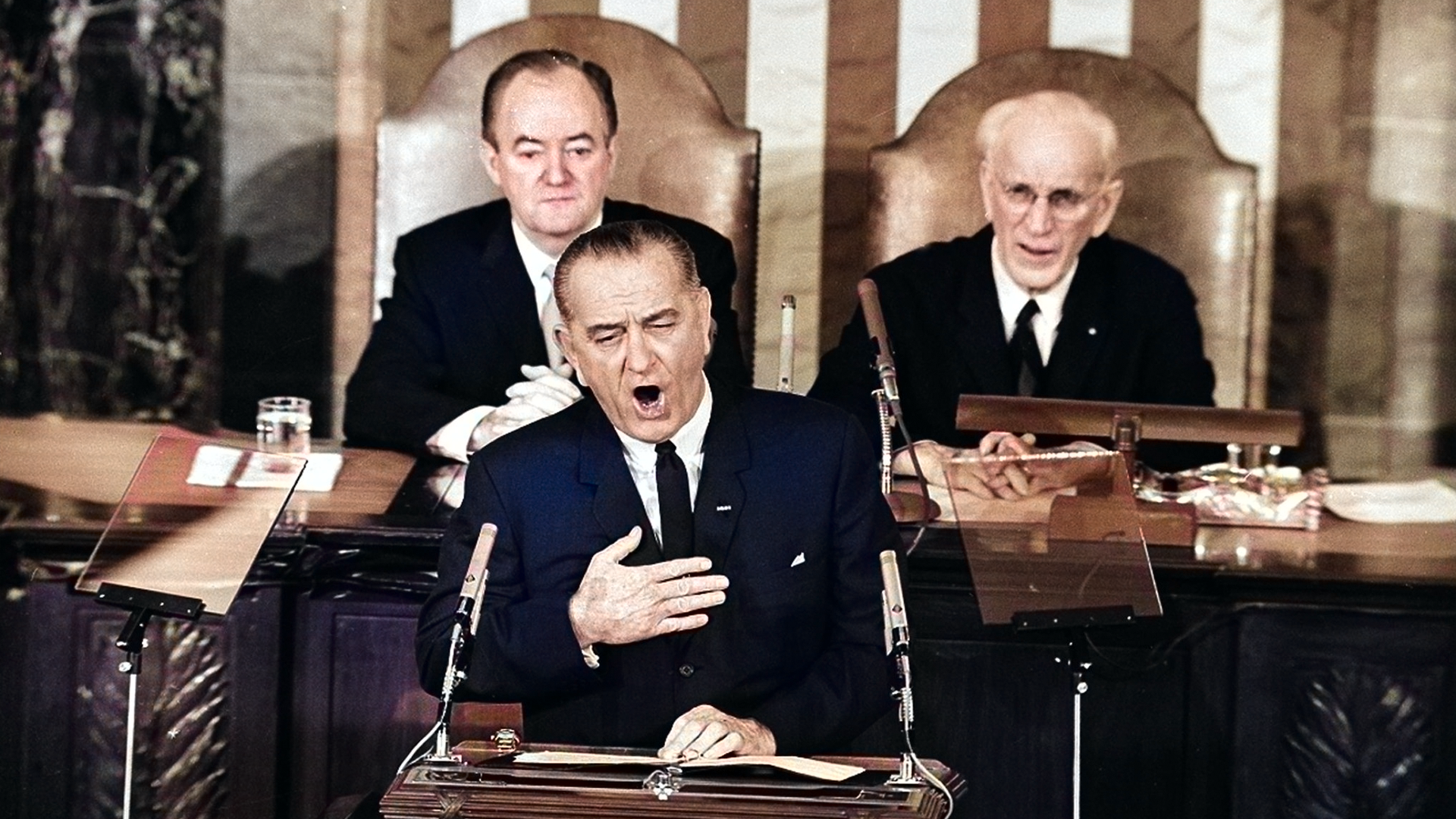
President Lyndon B. Johnson addressing Congress in 1965 to demand protection of voting rights for African Americans.
What Happened?
On March 15, 1965, President Lyndon B. Johnson stood before a joint session of Congress and delivered one of the most important speeches of the Civil Rights Era. Speaking to lawmakers and millions of Americans watching on television, Johnson called for immediate action to guarantee equal voting rights for African Americans. His message was clear: democracy could not truly exist if some citizens were prevented from participating in elections.
Although the Fifteenth Amendment to the U.S. Constitution had promised voting rights regardless of race after the Civil War in 1870, many states—especially in the American South—created barriers to prevent Black citizens from voting. These barriers included literacy tests, complicated registration procedures, and intimidation by local officials. In practice, these rules made it extremely difficult or nearly impossible for many African Americans to register to vote.
Johnson’s speech came just days after shocking violence in Selma, Alabama. On March 7, 1965, civil rights activists led by leaders such as John Lewis attempted to march from Selma to Montgomery to demand voting rights. As the peaceful demonstrators crossed the Edmund Pettus Bridge, state troopers and local police attacked them with clubs and tear gas. The brutal assault, broadcast on national television, became known as 'Bloody Sunday' and outraged Americans across the country.
The violence in Selma made clear that existing laws were not strong enough to protect citizens’ rights. In his speech, Johnson reminded the nation that denying people the right to vote violated the Constitution and the fundamental principles of American democracy. He told Congress that 'every American citizen must have an equal right to vote' and declared that protecting that right was the responsibility of the federal government.
In a powerful moment, Johnson echoed the words of civil rights activists by declaring 'We shall overcome,' a phrase that had become a symbol of the struggle for equality. By using the language of the movement itself, Johnson signaled that the federal government would stand with those demanding justice and fairness.
The speech helped build momentum in Congress for new legislation. Just a few months later, on August 6, 1965, Johnson signed the Voting Rights Act into law. The act banned literacy tests, allowed federal officials to oversee voter registration in areas where discrimination was common, and created strong penalties for interfering with voting rights.
The impact was dramatic. Millions of African Americans were finally able to register and vote. In Mississippi, for example, Black voter registration rose from about 6 percent in 1964 to nearly 60 percent just a few years later. The Voting Rights Act became one of the most important laws in American history, helping move the United States closer to its promise of equal citizenship for all.
Why It Matters
President Johnson’s speech and the Voting Rights Act that followed helped transform American democracy by protecting one of the most basic rights of citizenship: the right to vote. The moment showed that the Constitution’s promises require action, courage, and leadership to become reality. It also demonstrated how peaceful protest, public awareness, and determined activism can lead to meaningful political change.
?
Why were many African Americans prevented from voting even after the Fifteenth Amendment was passed?
What happened during the Selma march that shocked the nation?
Why did President Johnson believe the federal government needed to protect voting rights?
How did the Voting Rights Act of 1965 change participation in American elections?
Dig Deeper
Historian Yohuru Williams explains the events leading to the passage of the Voting Rights Act and why it became a landmark law in American history.
Related
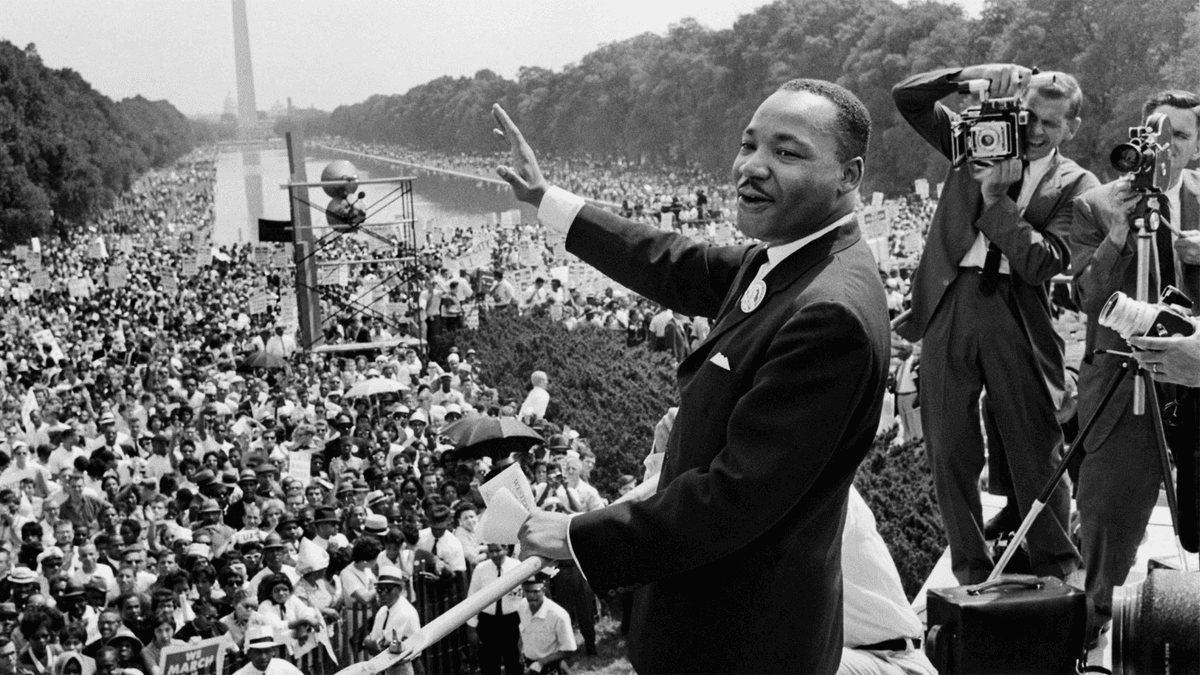
The Civil Rights Movement: Struggle, Solidarity, and Social Change
From classrooms to courthouses, buses to bridges, the Civil Rights Movement reshaped America’s laws — and its conscience.
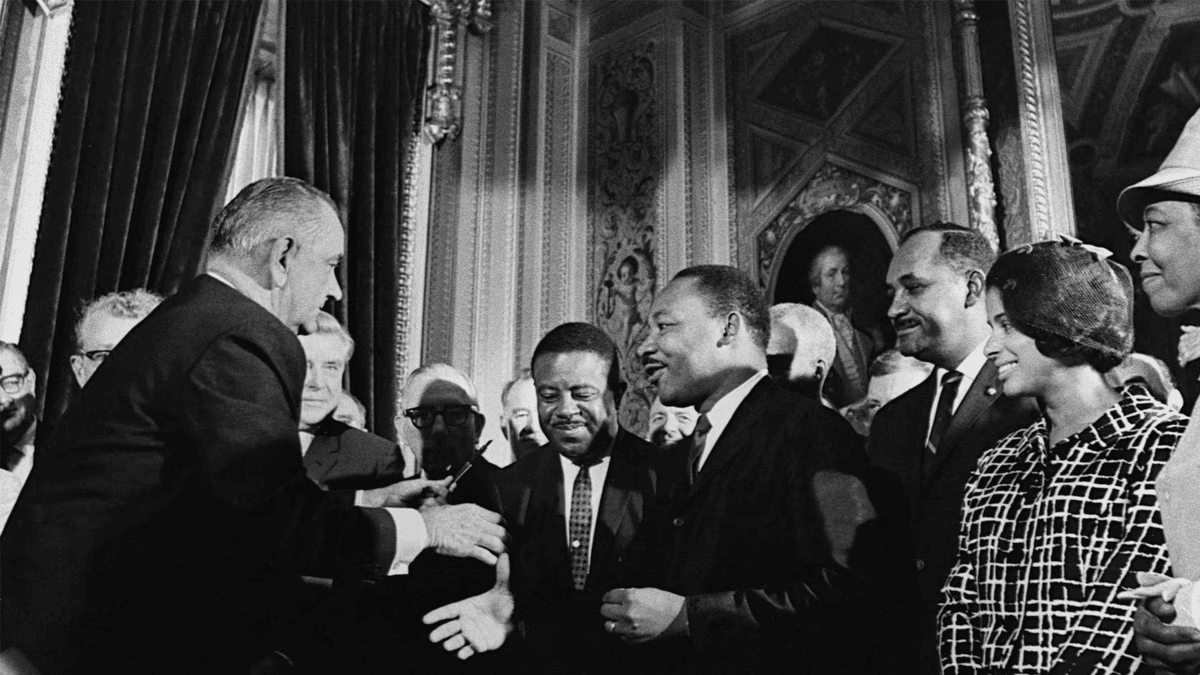
The Voting Rights Act of 1965: Enforcing the 15th Amendment
How a landmark law transformed voting access in the South and gave real force to the promises of the 15th Amendment.
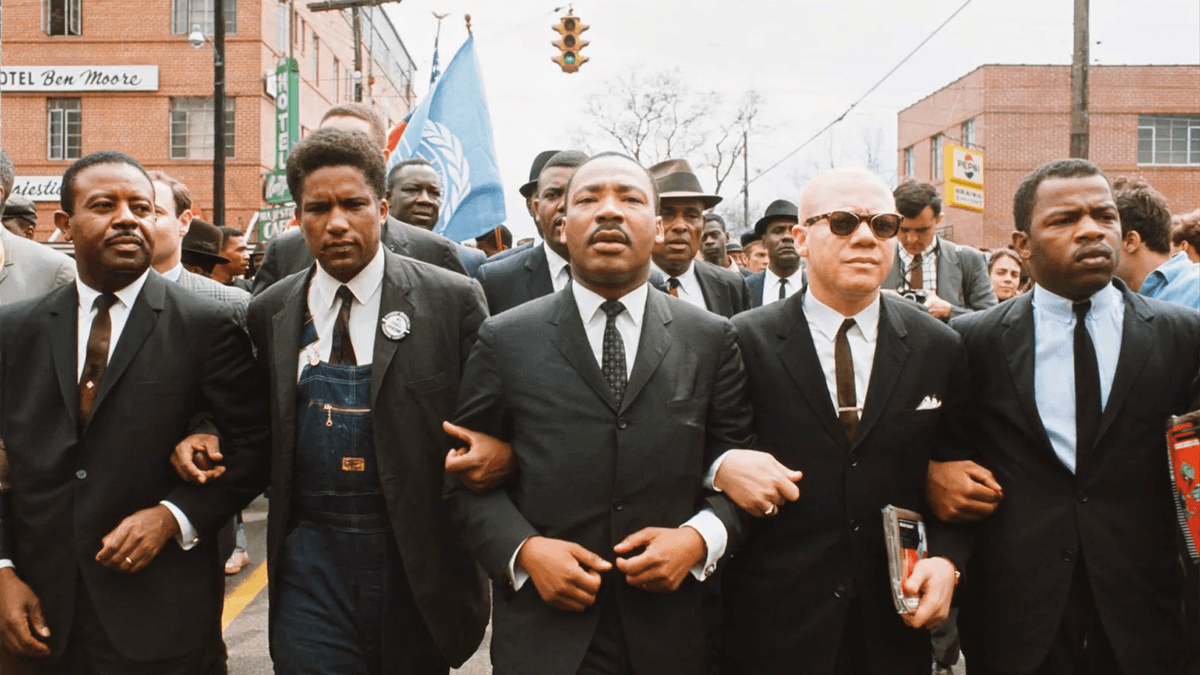
Montgomery Bus Boycott, Greensboro Sit-In, and the Rise of MLK
From Montgomery’s buses to Greensboro’s lunch counters, ordinary citizens ignited extraordinary change — and a new national leader emerged.
Further Reading
Stay curious!