

Kent State Shootings Shock the Nation
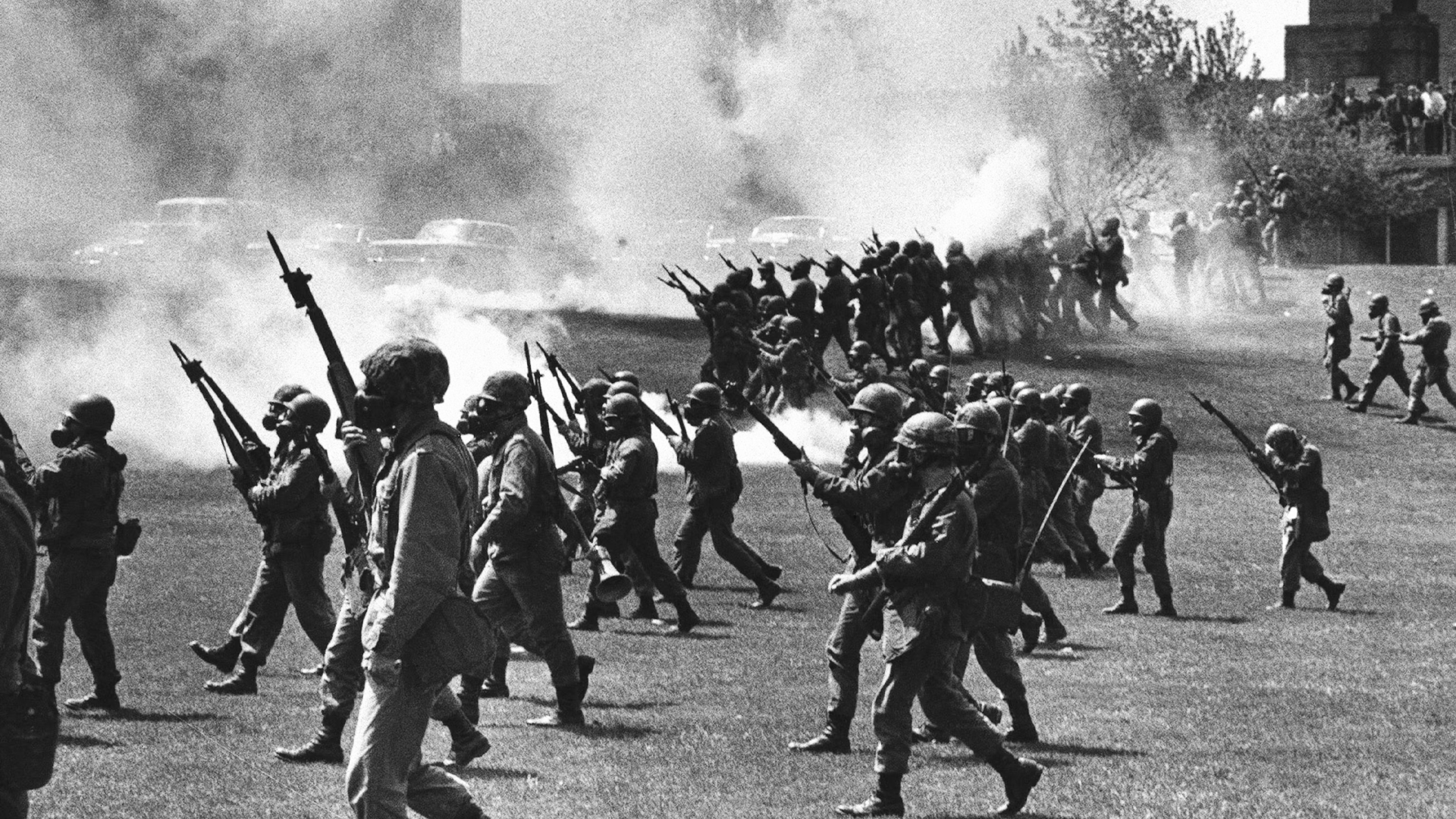
What began as a protest against war became one of the most shocking moments in American history.
What Happened?
On May 4, 1970, at Kent State University, a protest against the war ended in tragedy when members of the Ohio National Guard opened fire on unarmed students. In just 13 seconds, four young people were killed and nine others were wounded. The event shocked the nation and deepened divisions.
The Kent State tragedy didn't come out of nowhere. It was part of a growing wave of protests against the Vietnam War. By 1970, many Americans were questioning why the United States was still fighting. When Richard Nixon announced that U.S. troops would expand the war into Cambodia, it felt to many like the conflict was getting bigger instead of ending. Almost immediately, protests broke out across the country, especially on college campuses where young people were most directly affected by the military draft.
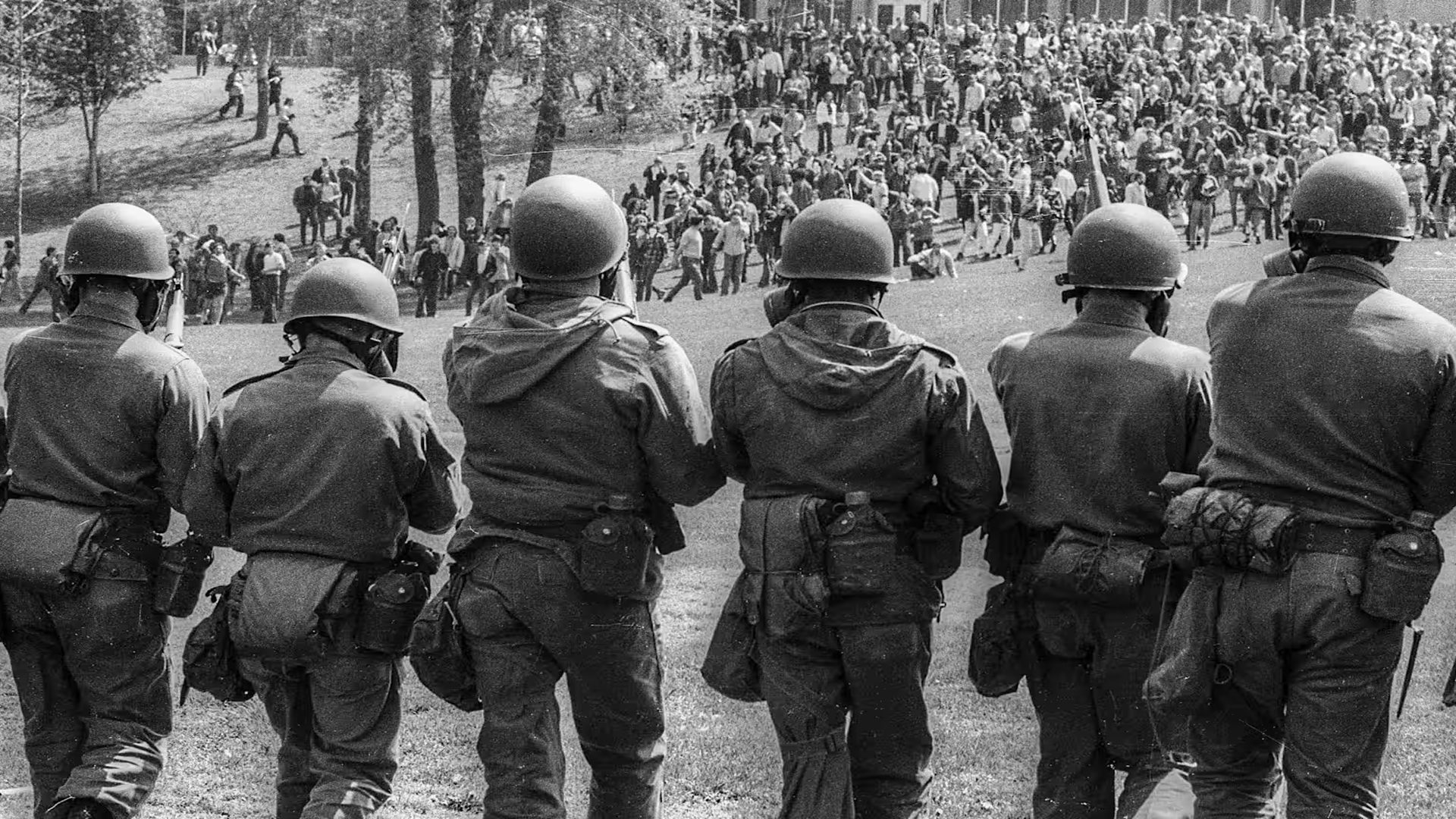
At Kent State, protests began on May 1, just one day after the Cambodia announcement. What started as a demonstration quickly escalated. That night, tensions rose in the nearby town of Kent, with clashes between students and police. By the next day, the situation had grown more serious. The ROTC building on campus was set on fire, and officials feared more violence. In response, the governor of Ohio sent in the National Guard. Suddenly, a college campus felt more like a military zone than a place of learning.
On May 4, despite a ban on protests, thousands of students gathered on campus. Some came to demonstrate, others simply to watch. The National Guard ordered the crowd to disperse. When students refused, guardsmen fired tear gas and moved forward with bayonets fixed to their rifles. Some protesters shouted back and threw rocks. The situation was tense, confusing, and quickly spiraling out of control.
Then, as the Guardsmen retreated up a hill, a group of them suddenly turned and fired their weapons into the crowd. Nearly 70 shots were fired in about 13 seconds. The students who were hit were not charging the soldiers—many were standing far away, some simply walking to class. Four students—Jeffrey Miller, Allison Krause, William Schroeder, and Sandra Scheuer—were killed. Nine others were wounded, including one who was permanently paralyzed.
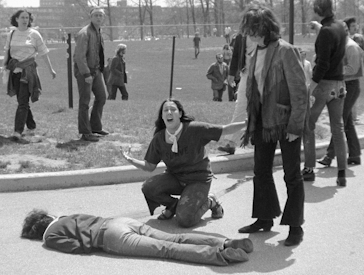
The immediate aftermath was filled with shock, fear, and anger. Students gathered, unsure of what had just happened, while faculty members stepped in to prevent further violence. The university closed almost immediately. Across the country, millions of students joined a nationwide strike, and hundreds of colleges shut down in protest. The image of a young girl crying over a fallen student became one of the most powerful symbols of the era—a visual reminder that the war had reached American soil.
In the years that followed, investigations and court cases tried to answer a difficult question: why did the Guardsmen fire? Some argued they acted in self-defense, believing they were in danger. Others believed the force used was unnecessary and unjustified. In the end, no Guardsmen were convicted of wrongdoing, though a later settlement expressed regret and acknowledged that the tragedy should not have happened.
The Kent State tragedy had a lasting impact on the United States. It intensified opposition to the Vietnam War and deepened the divide between Americans who supported the war and those who opposed it. For many, the event shattered trust in the government and raised serious concerns about the use of military force against civilians. What happened on that campus in 1970 forces us to think about the balance between authority and freedom, order and protest, and safety and justice.
Why It Matters
Kent State is more than a tragic event—it is a warning. It shows what can happen when fear, tension, and miscommunication collide. And it challenges us to ask how a society can respond to conflict without losing sight of the very rights and values it is trying to protect. The Kent State shootings remind us that moments of crisis can test a nation’s values. This event highlights the importance of protecting the right to protest, the dangers of escalating conflict, and the responsibility of leaders to respond with restraint. It also shows how public opinion can shift when people witness injustice, helping to shape the course of history.
?
What caused tensions at Kent State to escalate so quickly in just a few days?
Why did the expansion of the Vietnam War into Cambodia lead to increased protests?
How did media coverage influence public reaction to the Kent State shootings?
What responsibilities do governments have when responding to protests?
How can events like Kent State shape public opinion and political decisions?
Dig Deeper
An overview of the events and tensions that led to the Kent State shootings.
A personal reflection from someone who witnessed the events firsthand.
Related
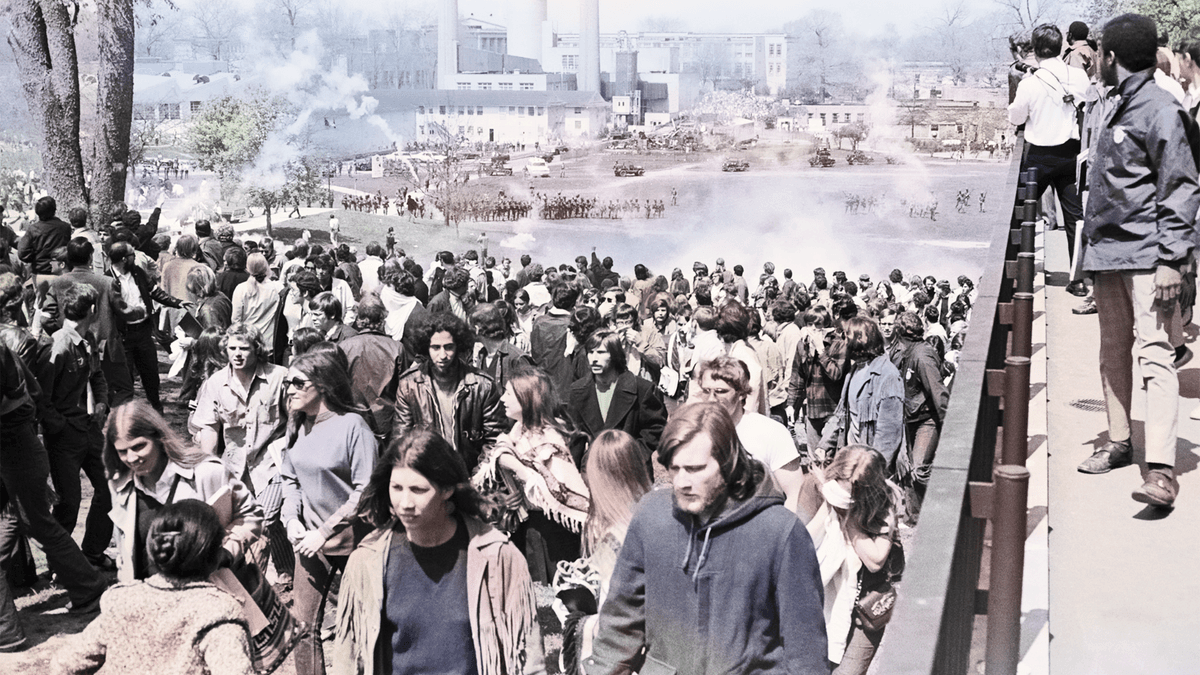
Kent State Shootings: When Protest and Power Collided
A moment when the Vietnam War reached American soil—and exposed the deep divisions within the nation.
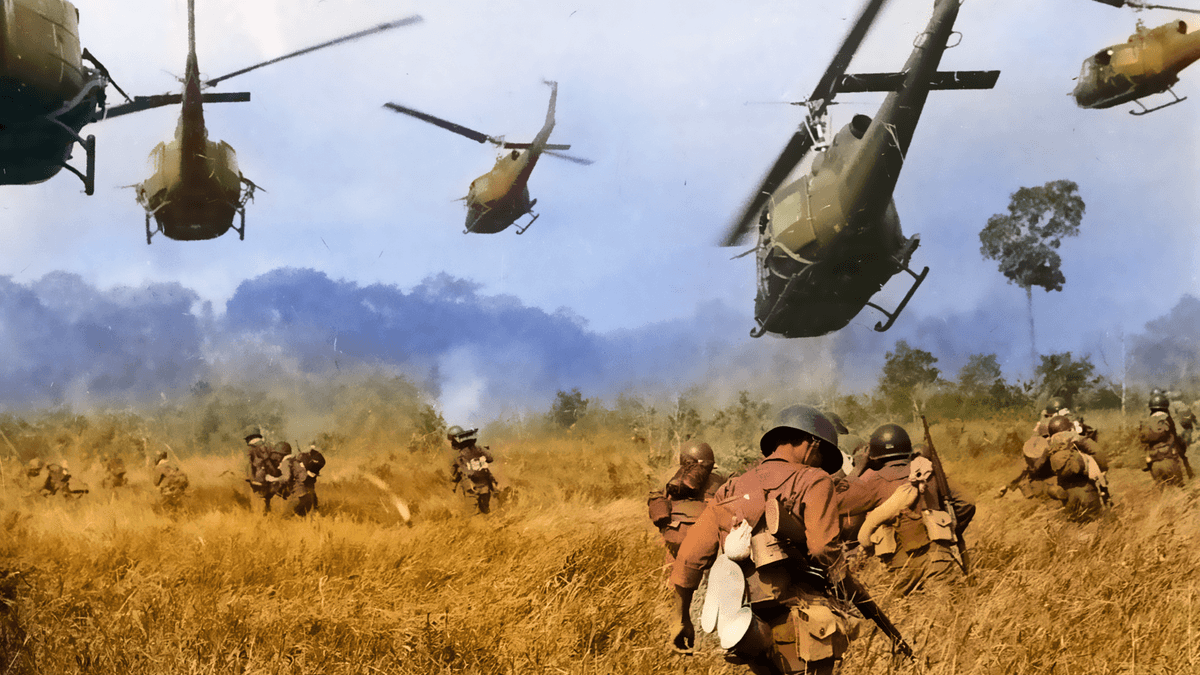
The Vietnam War: Conflict, Cold War, and Consequences
A complex war shaped by colonial history, Cold War fears, and powerful resistance—understand why the Vietnam War happened and why it still matters.
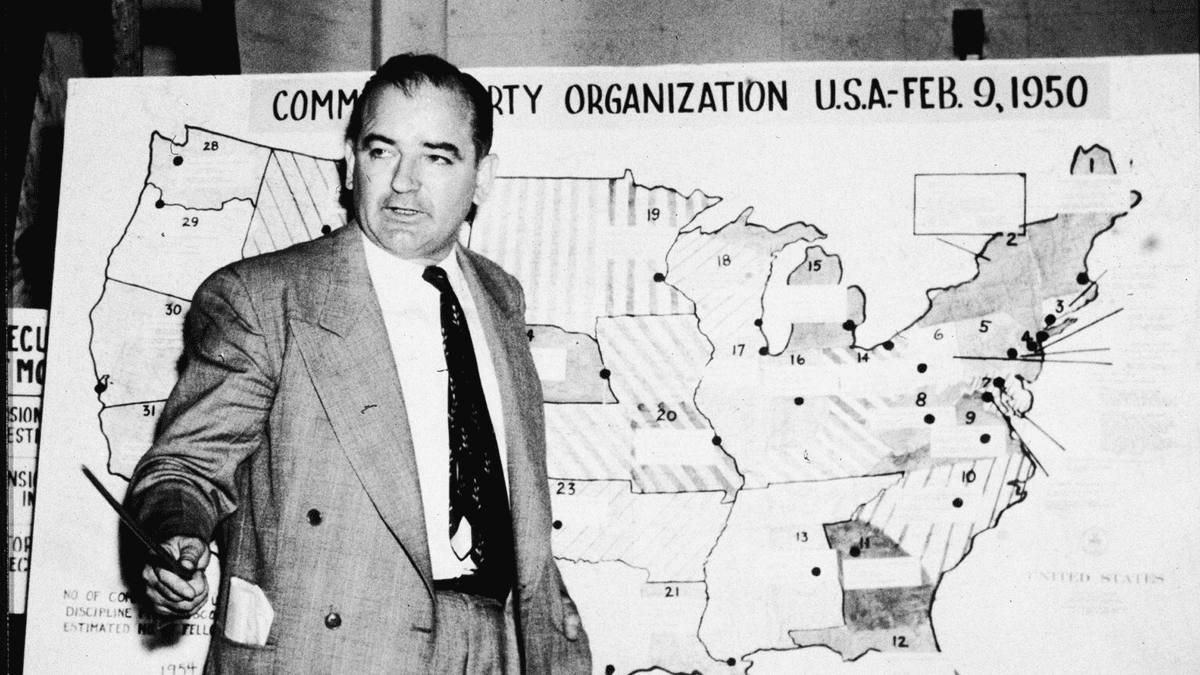
McCarthyism: Fear, Power, and the Red Scare
In the 1950s, fear of communism gripped America. Senator Joseph McCarthy fueled this fear by accusing hundreds of people of being communist traitors—often without proof. The result was a national panic that tested the meaning of truth, justice, and freedom.
Further Reading
Stay curious!