

Roe v. Wade: A Decision That Defined Reproductive Rights in America
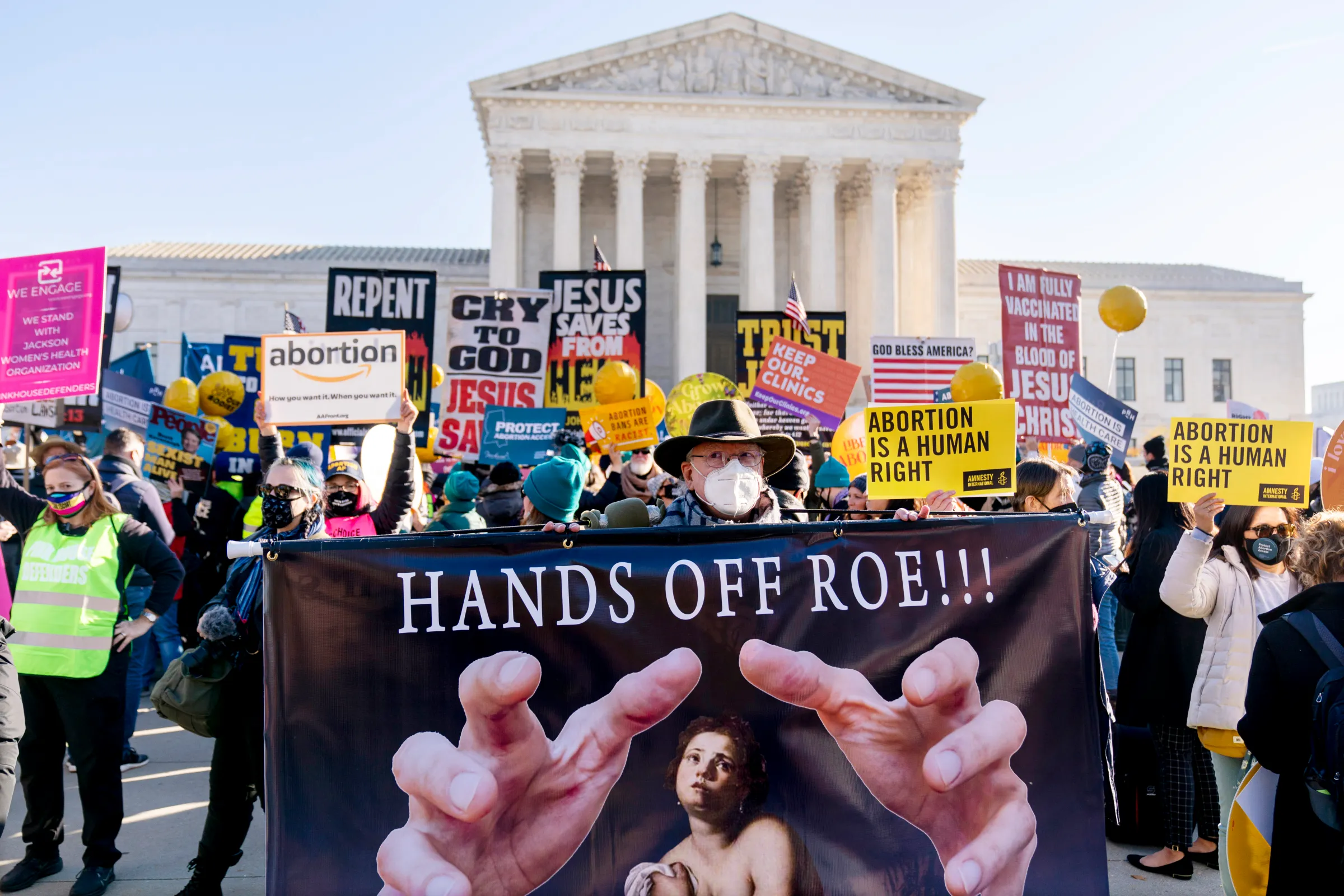
On January 22, 1973, the U.S. Supreme Court ruled in Roe v. Wade that state laws banning abortion violated a constitutional right to privacy.
What Happened?
On January 22, 1973, the Supreme Court issued its decision in Roe v. Wade, a case that asked a fundamental question: how much control should the government have over deeply personal medical decisions? The Court ruled that a woman’s choice to end a pregnancy was protected by a constitutional right to privacy.
The case began in Texas, where abortion was illegal in nearly all situations. A woman known by the pseudonym “Jane Roe” challenged the law, arguing that it interfered with her liberty and personal freedom. The Court agreed, grounding its decision in the Fourteenth Amendment, which protects individual rights from excessive government interference.
In a 7–2 ruling, the Court established a national standard for abortion laws. It divided pregnancy into stages, allowing greater personal freedom early in pregnancy and permitting more government regulation later, especially once a fetus could survive outside the womb. This framework aimed to balance individual liberty with state interests.
Roe v. Wade had immediate public health effects. By legalizing abortion nationwide, it greatly reduced the number of dangerous, illegal procedures that had put many women’s lives at risk. Maternal death rates declined, especially among people who previously lacked access to safe medical care.
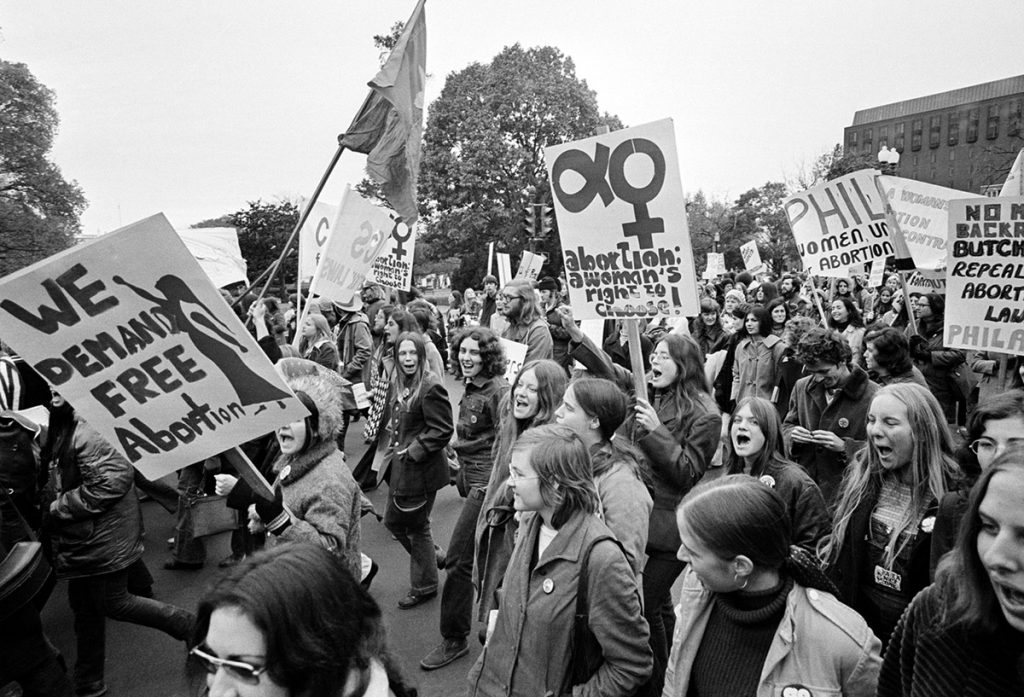
At the same time, the decision sparked intense and lasting debate. Supporters viewed Roe as a vital protection of privacy and equality, while opponents argued that it conflicted with moral or religious beliefs. These disagreements shaped politics, court appointments, and elections for decades.
In 1992, the Supreme Court reaffirmed Roe’s core principle in another case, while allowing states to add certain restrictions. For nearly 50 years, Roe remained the foundation of abortion rights in the United States, even as its boundaries were contested.
In 2022, the Supreme Court overturned Roe v. Wade in Dobbs v. Jackson Women’s Health Organization, returning abortion law to the states. This shift created a patchwork of laws across the country and renewed national debates about privacy, equality, and the role of government in personal life.
Why It Matters
Roe v. Wade was a defining moment in American legal and cultural history, establishing reproductive choice as a constitutional right under the umbrella of privacy. By affirming this right, the decision significantly reduced maternal mortality and elevated the principle of personal autonomy, empowering individuals to make decisions about their own bodies. Roe represented a broader commitment to liberty and equality, particularly for women, ensuring they could participate more fully in society by having control over their reproductive lives. The reversal of Roe in Dobbs v. Jackson Women’s Health Organization marked a seismic shift, returning the contentious debate over abortion rights to the states. This decision underscored the complexities of balancing federal and state authority in a democracy while reigniting questions about privacy, equality, and personal freedom. The divergence in state-level abortion laws has created an uneven patchwork of rights, amplifying disparities and forcing a renewed examination of what it means to ensure fairness and autonomy in a democratic society. Understanding the legacy of Roe v. Wade is crucial for addressing the broader implications of its reversal and for engaging with ongoing debates about privacy, personal freedom, and the role of government in shaping fundamental rights. This historical context offers vital insights into the challenges of achieving justice and equity in a diverse and evolving democracy.
?
Dig Deeper
Explore the origins and impact of Roe v. Wade, the legal case that established a constitutional right to abortion.
Related
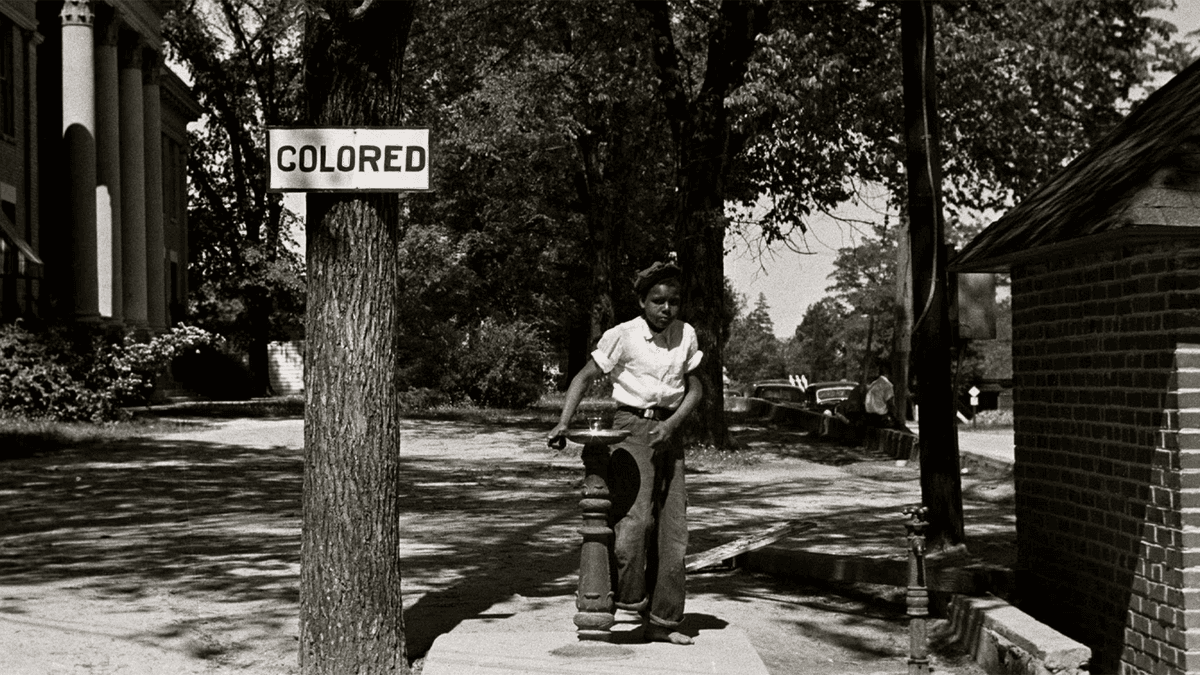
Jim Crow and Plessy v. Ferguson
After Reconstruction, the South built a legal system to enforce racial segregation and strip African Americans of political power. The Supreme Court’s Plessy v. Ferguson decision in 1896 made 'separate but equal' the law of the land—cementing injustice for decades.
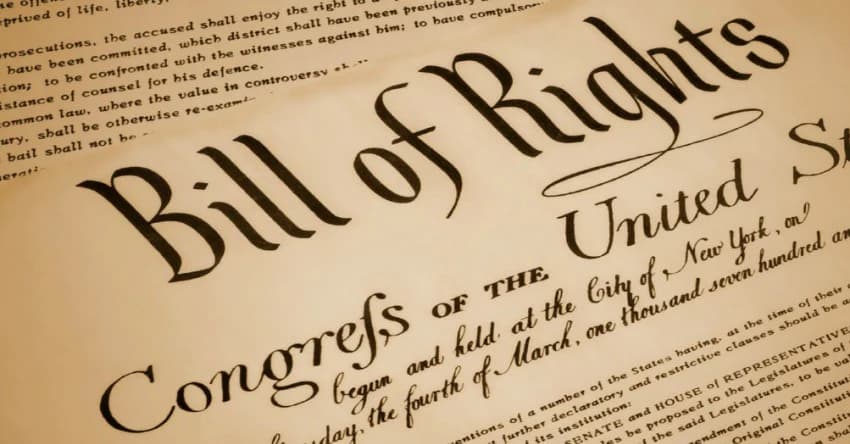
The Bill of Rights: What Is It and What Does It Actually Do?
The Bill of Rights wasn’t added to the Constitution because everything was going great, it was added because the people didn’t trust the government. And they had every reason not to.
Privacy in the Digital Age: Protecting Your Information
As we share more of our lives online, protecting personal information has become a critical challenge. How can we safeguard our privacy in an age of data breaches and surveillance?
Further Reading
Stay curious!