

The Day Apartheid Died: South Africa’s First Multiracial Elections
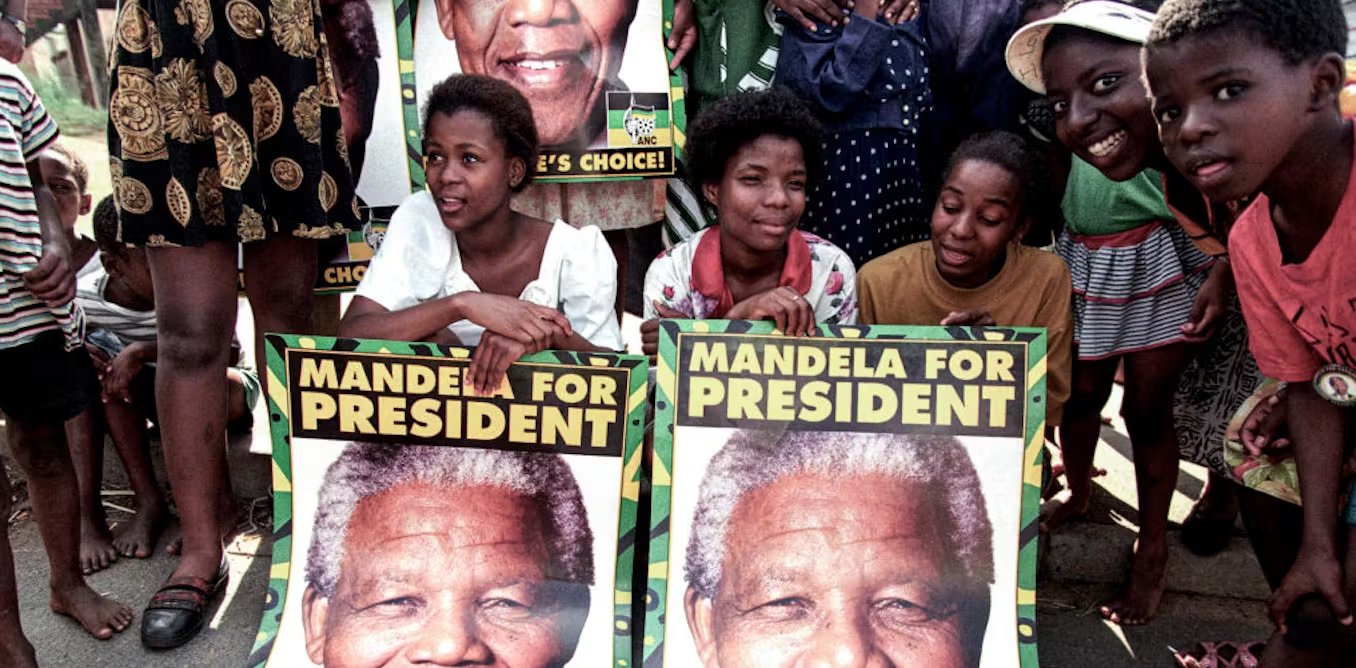
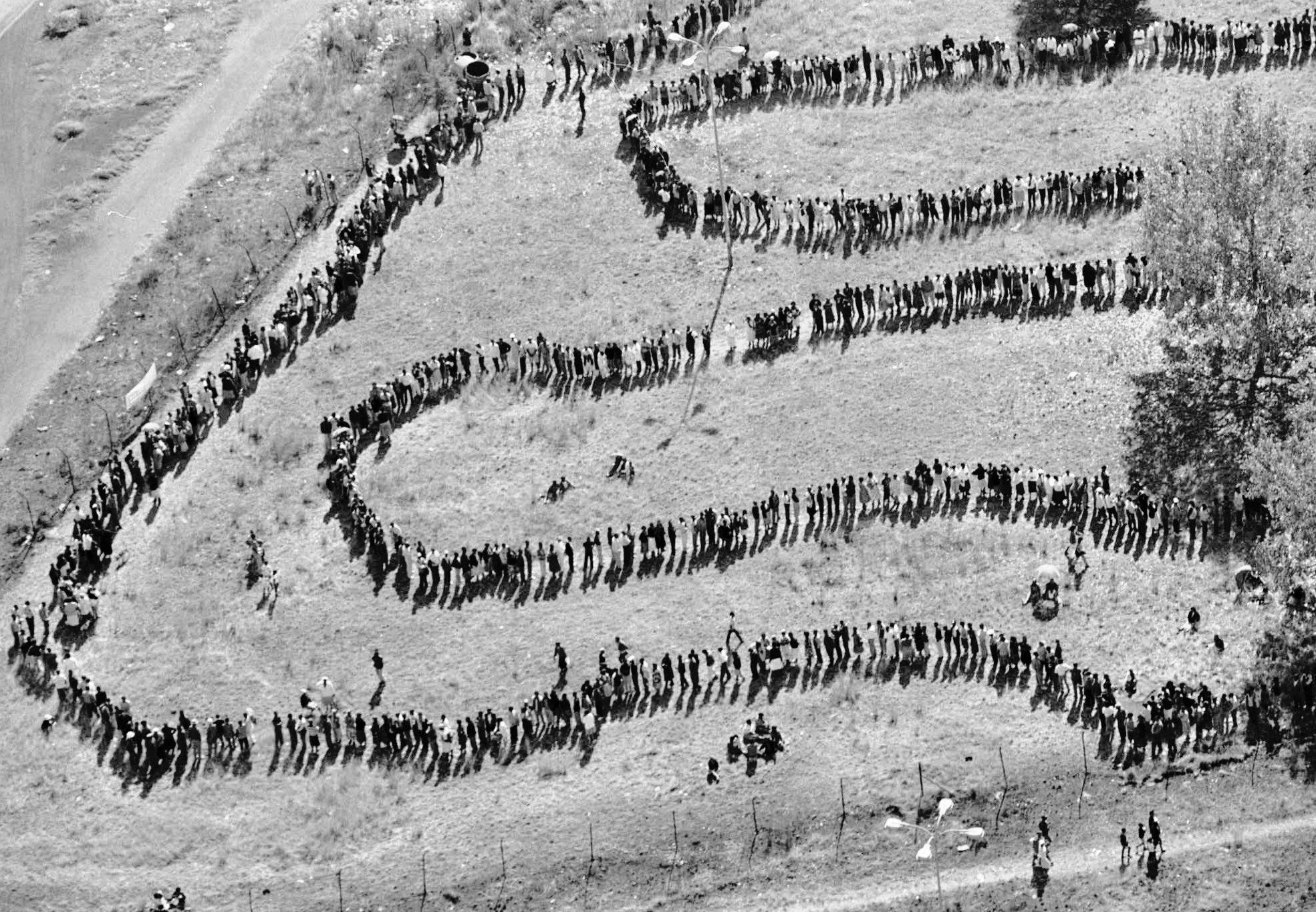
South Africans of all races lining up to vote during the historic 1994 elections
What Happened?
For almost 50 years, apartheid legalized the theft of dignity, freedom, and opportunity from South Africa’s Black majority. But on April 27, 1994, millions stood shoulder to shoulder at the polls, braving heat, hardship, and sabotage to seize a future that for so long had been denied.
Nelson Mandela, once imprisoned for sabotage against the white minority government, led the African National Congress to victory with a platform of reconciliation, peace, and hope. His inauguration just weeks later marked a radical turning point not only for South Africa, but for the global struggle against systemic racism.
The election was chaotic: polling stations lacked ballots, voters waited for hours, and confusion reigned—especially in areas like KwaZulu-Natal, where political tensions ran high. Yet through the disarray, South Africans persevered, driven by a determination to finally, lawfully, shape their own destiny.
When apartheid officially ended, South Africa adopted a new flag and a new identity—one built on unity rather than division. It was a profound rebuke to centuries of imperialism, division, and hate. A divided country found its fragile but fierce beginning as a democracy.
Mandela’s victory proved that nations could pivot from injustice to healing—not by forgetting pain, but by facing it with courage and grace. His leadership—and the people’s triumph—reverberate today, whenever and wherever democracy is under siege.
Why It Matters
South Africa’s first free election showed the world that peaceful revolution was not only possible but powerful. It reminded us that even the deepest wounds can heal—and that the future is written not by tyrants, but by those who refuse to give up their right to vote, to live, and to be fully seen.
?
What were the challenges that voters faced during South Africa’s first multiracial election?
How did Nelson Mandela’s leadership style help ease the transition from apartheid to democracy?
What was the significance of the new South African flag unveiled after the election?
Why was the end of apartheid seen as a global victory for civil rights movements?
How did former President F.W. de Klerk contribute to dismantling apartheid?
Dig Deeper
Journalists are often said to have a front row seat to history and this was the case for these three South Africans on 27 April 1994. Twenty-two years on, they reflect on the first democratic elections.
Related
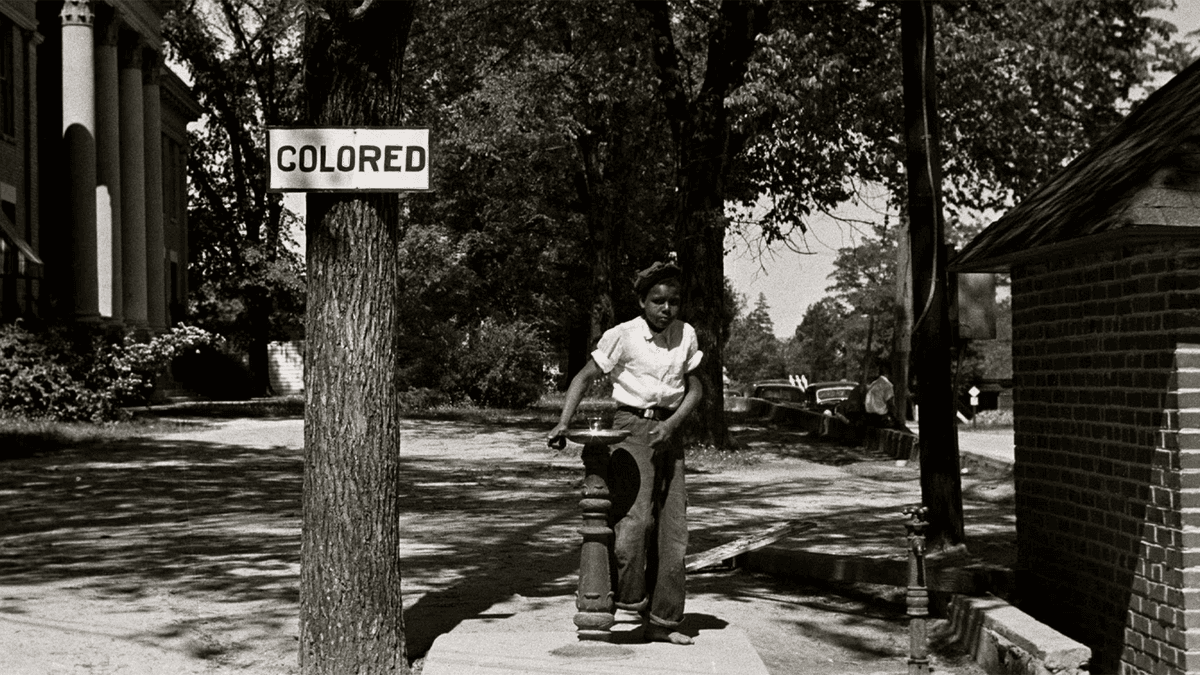
Jim Crow and Plessy v. Ferguson
After Reconstruction, the South built a legal system to enforce racial segregation and strip African Americans of political power. The Supreme Court’s Plessy v. Ferguson decision in 1896 made 'separate but equal' the law of the land—cementing injustice for decades.
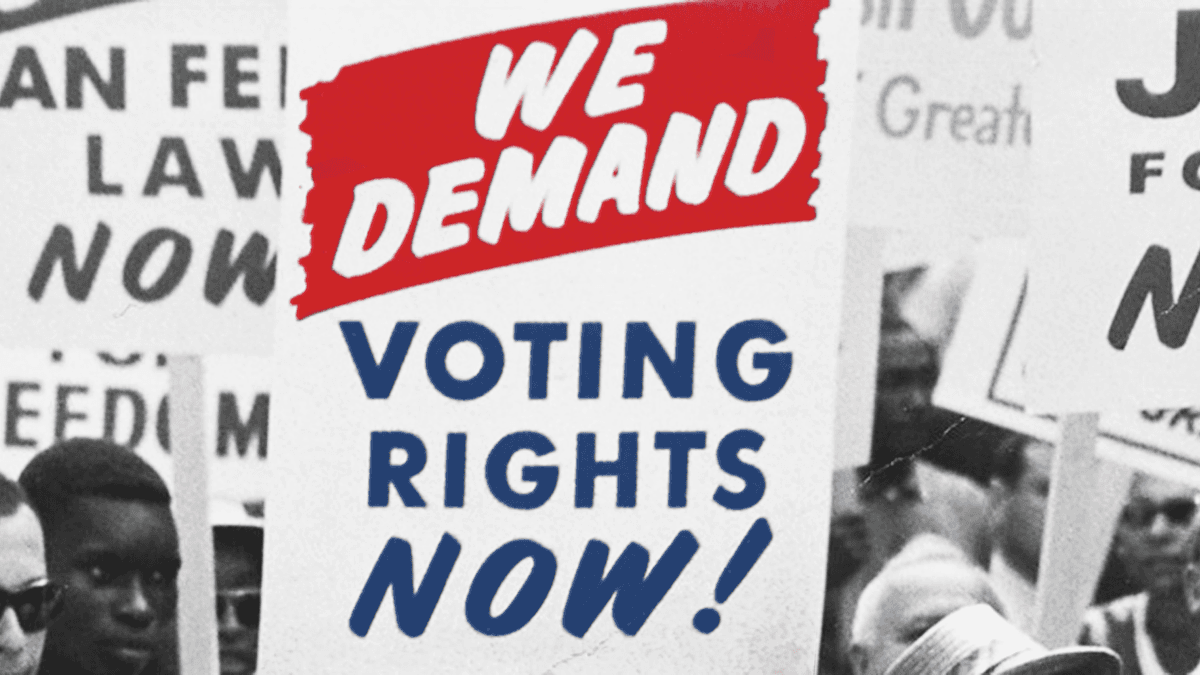
Universal Suffrage in the United States
The right to vote wasn’t handed to everyone—it was fought for, over centuries, by people demanding that democracy actually mean everyone has a voice.
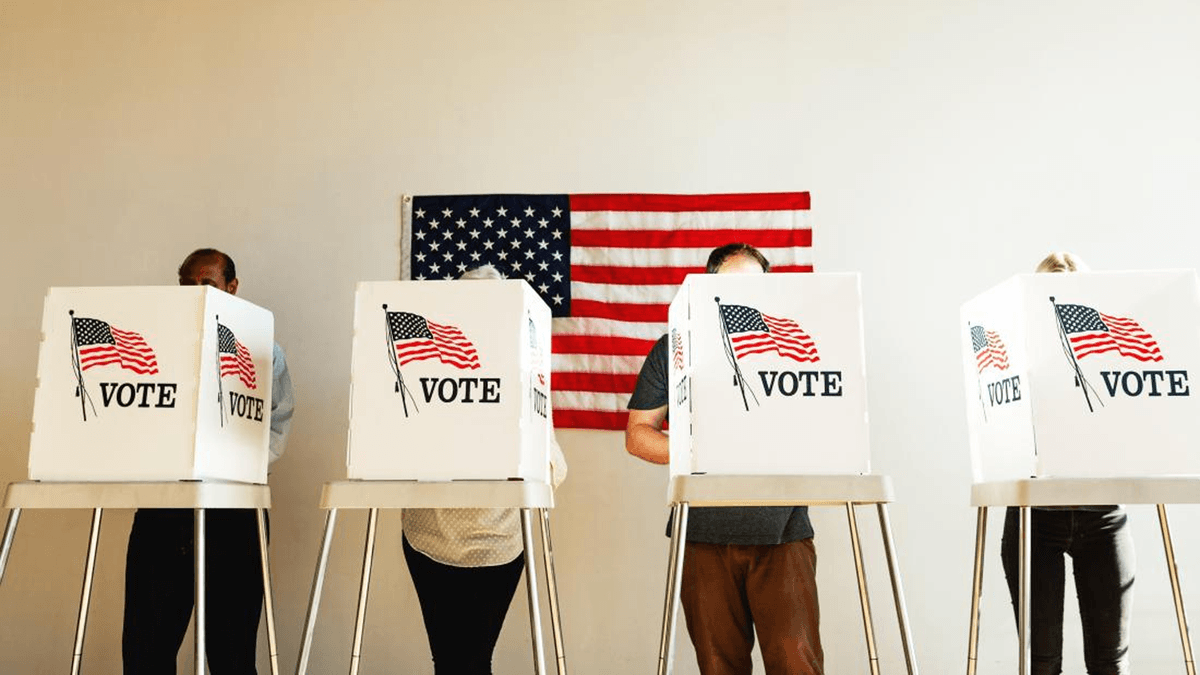
Voting & Participation: Why Your Voice Matters
Voting is one of the most powerful ways citizens shape their government, hold leaders accountable, and strengthen democracy.
Further Reading
Stay curious!