

The Federal Reserve Is Established
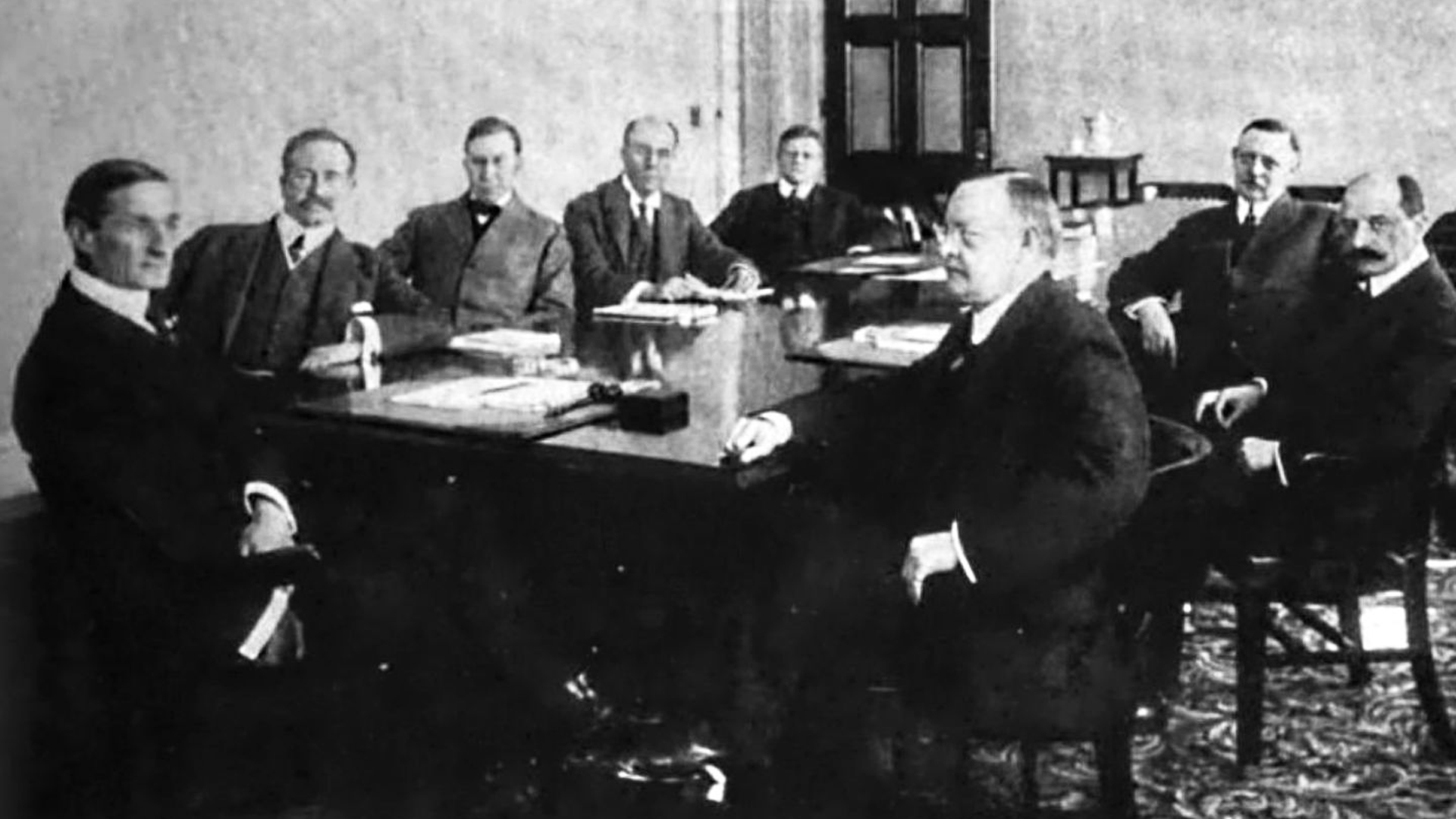
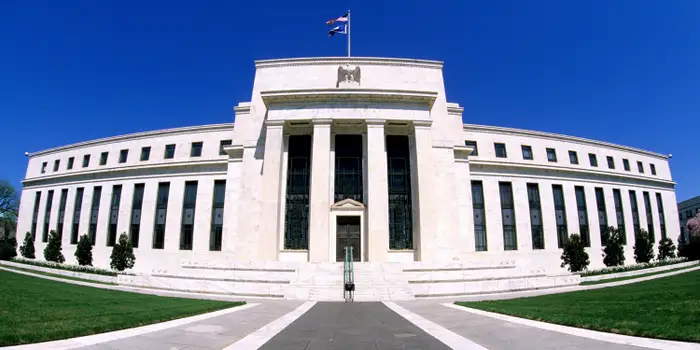
The Federal Reserve Act created the central banking system of the United States.
What Happened?
In the early 1900s, the United States faced repeated financial panics that caused banks to fail, businesses to close, and workers to lose their jobs. The most serious of these, the Panic of 1907, showed how fragile the system was when people rushed to withdraw their money and no national institution existed to stop the crisis from spreading.
During that crisis, wealthy banker J.P. Morgan helped organize private rescues to stabilize banks, but many leaders realized it was dangerous to depend on individuals to save the economy. Congress began searching for a long-term solution that would protect the entire country, not just powerful financial centers.
After years of study and debate, lawmakers designed a new kind of central bank that balanced national oversight with regional control. Instead of one powerful bank in a single city, the plan created a system of regional Federal Reserve Banks across the country, overseen by a central board in Washington, D.C.
President Woodrow Wilson supported this compromise, believing the nation needed both expert financial management and democratic accountability. The Federal Reserve Act created a Board of Governors appointed by the president, while also allowing banks and regions a role in the system’s operations.
When Wilson signed the Federal Reserve Act on December 23, 1913, it marked a major turning point in American economic history. The Federal Reserve was given the responsibility to manage the money supply, supervise banks, and respond to financial emergencies so that crises would not spiral out of control.
Over time, the Federal Reserve became one of the most important institutions in the country. Its decisions influence interest rates, inflation, employment, and the stability of the entire economy, affecting everything from how much people pay for loans to how easily businesses can grow.
Why It Matters
The creation of the Federal Reserve changed how the United States manages its economy. By establishing a central bank, the nation gained tools to prevent financial chaos, respond to emergencies, and promote long-term stability. Understanding the Federal Reserve helps explain how governments balance economic freedom with safeguards that protect people from widespread financial harm.
?
Why was the Panic of 1907 a turning point for banking reform?
Why do you think leaders wanted a central bank instead of relying on wealthy individuals?
How does the Federal Reserve affect everyday things like loans and savings?
Why did lawmakers choose a system with regional banks instead of just one national bank?
What might happen if a country had no way to respond to a financial crisis?
Dig Deeper
An explanation of how financial crises led to the creation of the Federal Reserve.
A clear look at how the Federal Reserve influences interest rates and economic stability.
Related
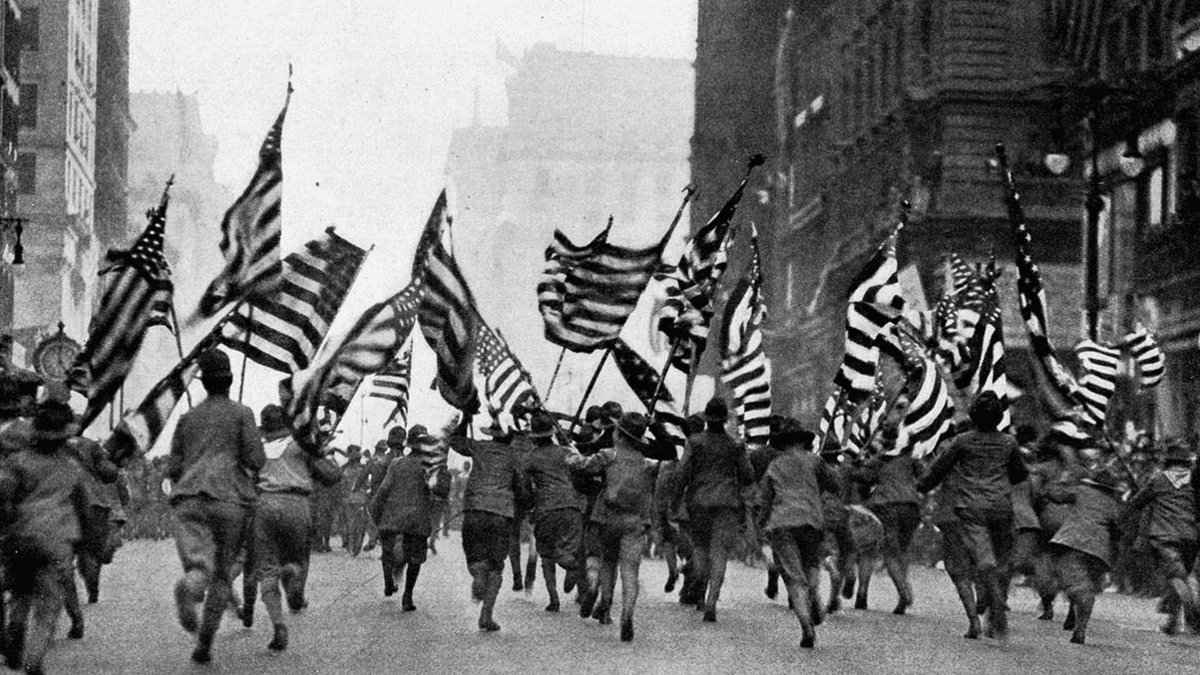
Why the United States Entered World War I
In 1917, after years of neutrality, the United States entered World War I—reshaping global politics and transforming life at home.
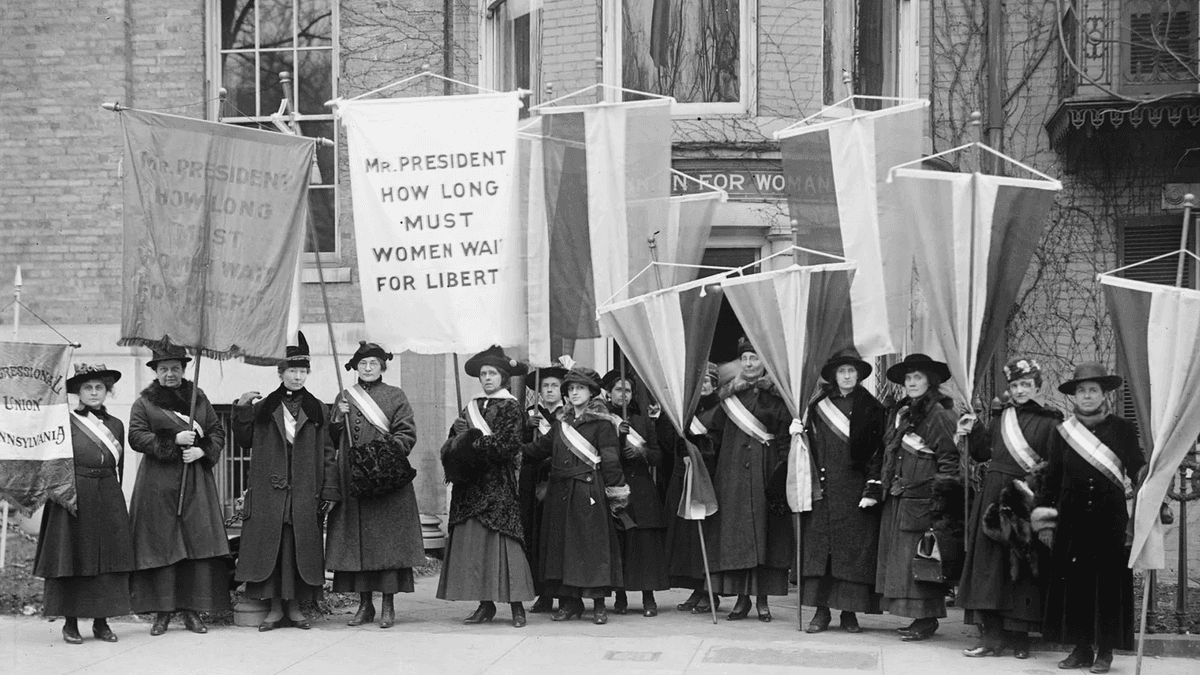
The Progressive Era: Reform, Regulation, and the Limits of Change
From breaking up monopolies to marching for women’s votes, the Progressive Era sought to fix America’s problems — but often left some voices out of the conversation.
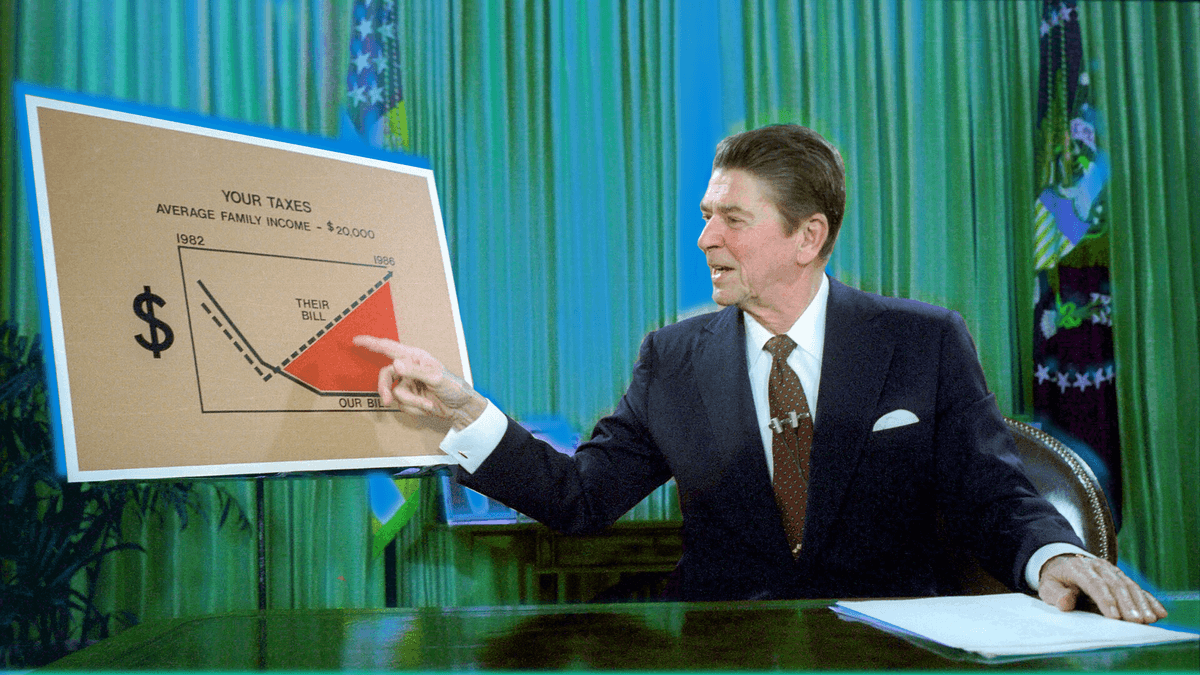
Free Market Fever: The Deregulation Debate
When is government the problem—and when is it the solution? Deregulation reshaped the U.S. economy, slashing rules and reshuffling power in the name of freedom and efficiency.
Further Reading
Stay curious!