

The First Kwanzaa Is Celebrated
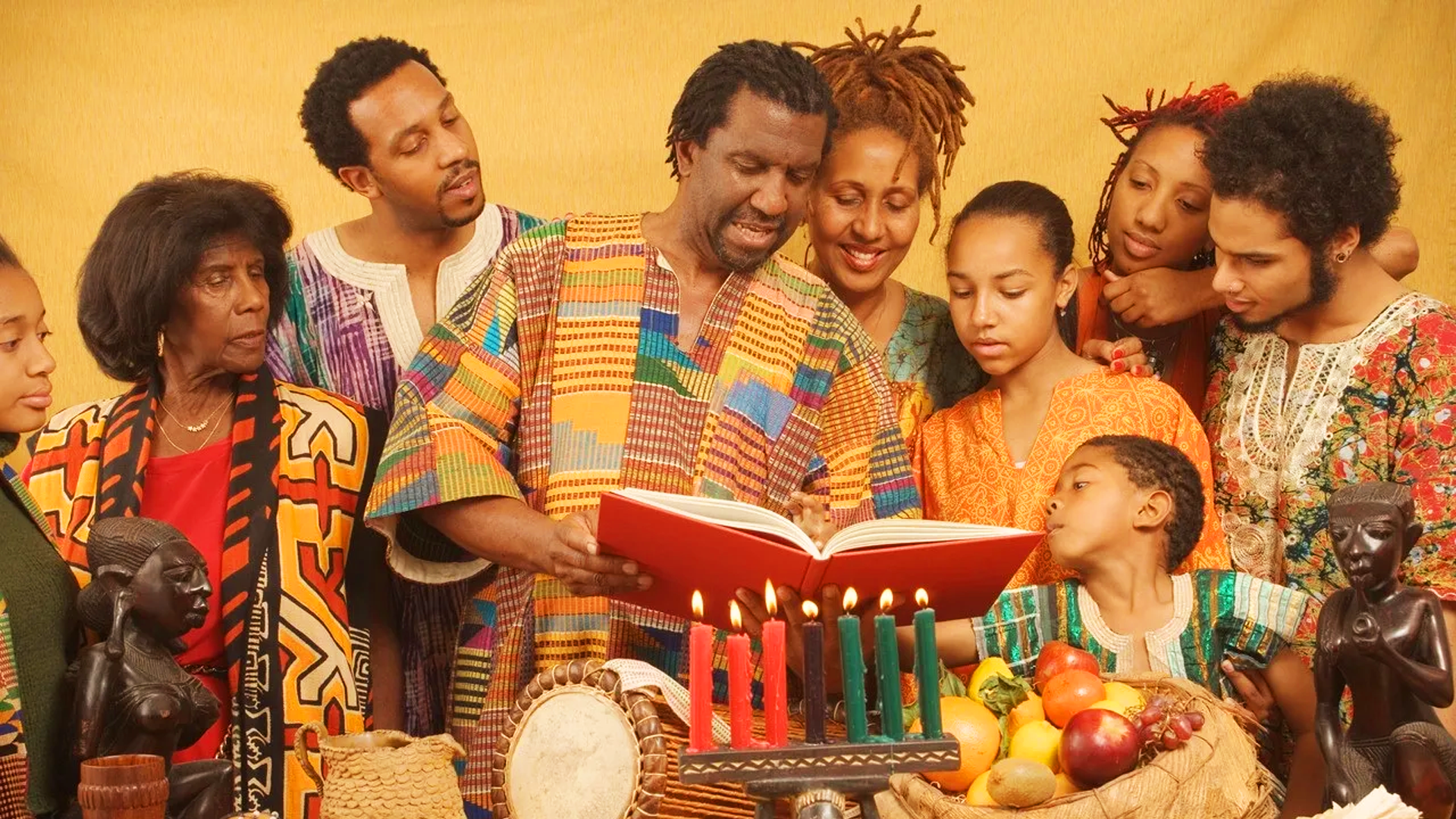
A kinara with seven candles representing the first celebration of Kwanzaa
What Happened?
On December 26, 1966, the first Kwanzaa celebration began in Los Angeles, created by scholar and activist Dr. Maulana Karenga during a time of deep pain and unrest in the United States. Just one year earlier, the Watts riots had shaken the city, exposing long-standing racism, economic inequality, and frustration within Black communities.
Karenga believed that political change alone wasn't enough to heal the damage caused by oppression. He argued that cultural strength and shared values were essential for rebuilding pride, unity, and hope. Kwanzaa was designed as a non-religious, weeklong cultural celebration focused on family, community, and African heritage.
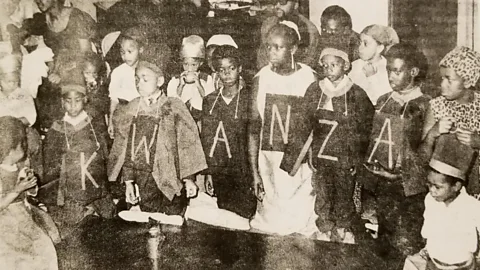
The holiday draws inspiration from traditional African harvest festivals, especially the idea of celebrating “first fruits.” Its name comes from the Swahili phrase *matunda ya kwanza*, meaning "first fruits," symbolizing gratitude, renewal, and collective effort. An extra “a” was added to the word so that seven children could each represent a letter during the first celebration.
Each day of Kwanzaa highlights one of the seven principles, known as the Nguzo Saba: unity, self-determination, collective work and responsibility, cooperative economics, purpose, creativity, and faith. Families gather each night to light a candle on the kinara and discuss how these values can guide daily life and strengthen the community.
Kwanzaa also includes powerful symbols such as the unity cup, the woven mat, ears of corn representing children, and candles colored black, red, and green to reflect people, struggle, and hope. These symbols help connect present-day families to African history, shared responsibility, and future generations.
Rather than focusing on commercial gift-giving, Kwanzaa encourages meaningful and often handmade gifts that support learning, creativity, and cultural pride. Many families choose books, art, or items from Black-owned businesses to reinforce the principle of cooperative economics.
Since its first celebration, Kwanzaa has grown into a widely observed holiday across the United States and beyond. It is celebrated by people of many faiths—or none at all—and continues to serve as a reminder that culture, values, and community can be powerful tools for resilience and renewal.
Why It Matters
Kwanzaa shows how culture can be a source of healing and strength in times of struggle. It reminds us that identity, shared values, and community responsibility are essential to building a more just and hopeful future.
?
Dig Deeper
An accessible explanation of Kwanzaa’s origins, symbols, and principles.
Related
Local Government
Local government is where democracy meets daily life. From schools and roads to public safety and elections, local governments turn laws and policies into everyday reality.
What Is Community?
Community is more than just a place on a map—it’s people, relationships, and the daily actions that tie our lives together.

What Is Civics?
Civics is the study of how citizens participate in democracy—and why their participation matters.
Further Reading
Stay curious!