
Spain Becomes a Democracy
After forty years of authoritarian rule, Spain chose democracy through compromise, courage, and a new constitution.
What Happened?
For much of the 20th century, Spain struggled with deep divisions over power, identity, and regional rights. Before World War II, the Spanish Republic had begun experimenting with democracy and regional self-government, allowing areas like Catalonia and the Basque Country limited autonomy. These early efforts were cut short by political conflict and rising polarization.
In 1936, these tensions exploded into the Spanish Civil War. When General Francisco Franco’s forces won in 1939, Spain fell under a harsh military dictatorship that lasted nearly forty years. Franco ruled by force, banning political parties, censoring the press, imprisoning opponents, and outlawing regional languages and cultures in an effort to impose a single, centralized idea of what it meant to be Spanish.
Life under Franco’s rule was tightly controlled. Public criticism of the government was dangerous, elections did not exist, and regional identities were treated as threats to national unity. For many Spaniards, especially in Catalonia and the Basque Country, democracy and cultural freedom became inseparable goals, since both had been taken away under the dictatorship.
When Franco died in 1975, Spain faced a difficult question: how to move forward without returning to civil war. Although Franco had named King Juan Carlos as his successor, many expected the monarchy to protect the old system. Instead, Juan Carlos surprised the country by supporting democratic reforms and working with moderate politicians to guide Spain toward peaceful change.
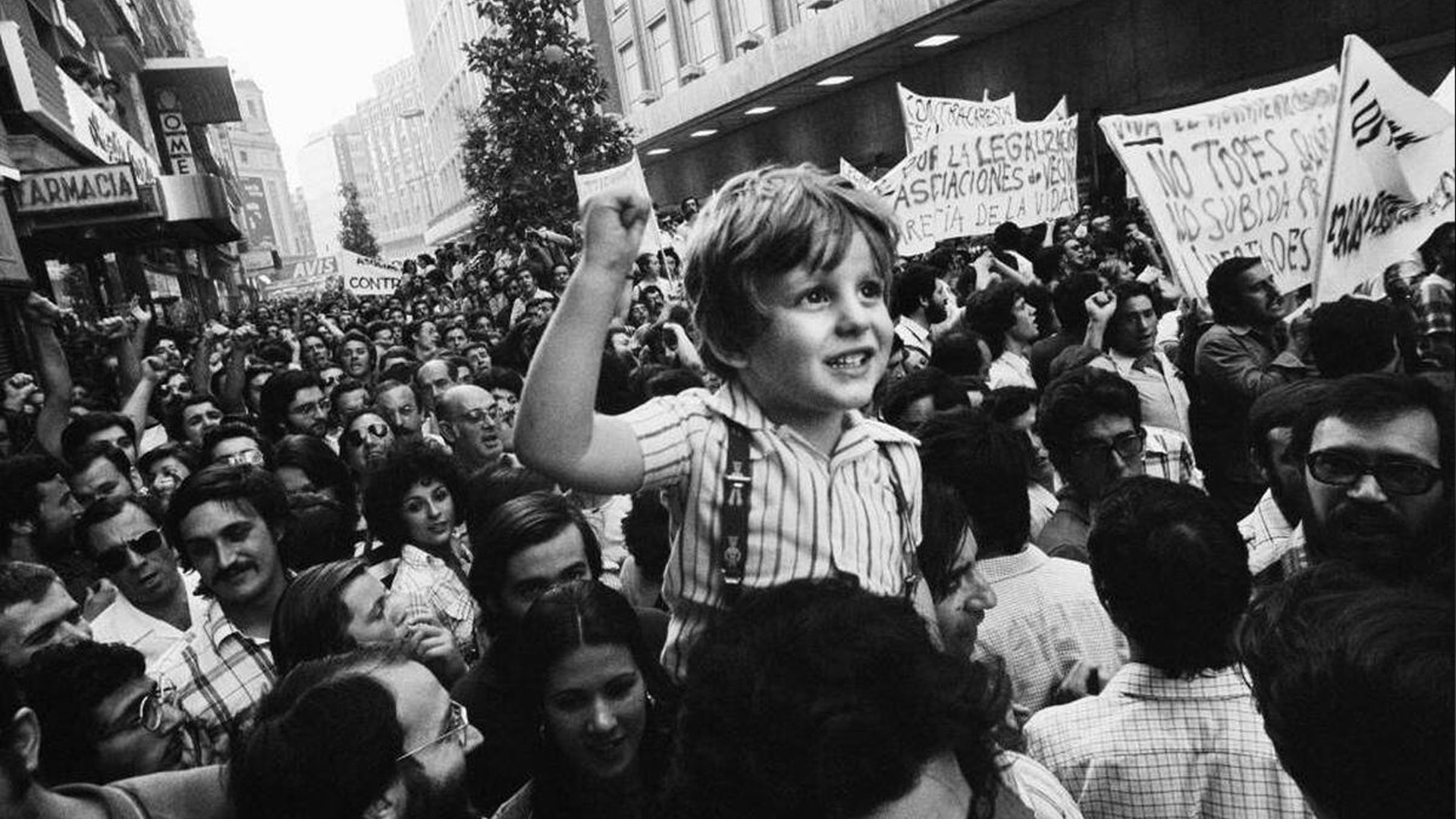
At the same time, ordinary people played a crucial role. Workers, students, women’s groups, journalists, and political activists organized protests and strikes across Spain, demanding freedom, elections, and regional recognition. These movements faced violence and repression, but they also helped pressure the government to open the political system.
In 1978, Spain’s parliament wrote and approved a new democratic constitution. It created a constitutional monarchy, protected freedoms like speech and assembly, and promised equality under the law for all citizens. The constitution also gave regions such as Catalonia and the Basque Country greater self-government, recognizing Spain as a country made up of diverse cultures, languages, and traditions rather than a single rigid identity.
Spain’s transition from dictatorship to democracy showed the power of compromise, trust, and shared responsibility. It became an example of how a divided nation can choose dialogue over violence and build a freer future together. By choosing cooperation over revenge, Spaniards rebuilt their country on democratic principles that continue to shape Spain today.
Why It Matters
Spain’s transition to democracy shows how a society can move forward after decades of fear, censorship, and repression. Under Franco’s dictatorship, people were punished for speaking freely, organizing politically, or expressing regional identities like Catalan or Basque culture. The 1978 Constitution restored basic rights, allowed people to vote, and recognized that Spain was made up of diverse communities with their own languages and traditions. It also showed the power of compromise—former enemies chose dialogue over violence to avoid repeating the horrors of civil war. Spain’s story reminds us that democracy isn't automatic or easy; it is something people must fight for, protect, and rebuild together, even after long periods of injustice.
?
Dig Deeper
An explanation of how Spain transitioned from dictatorship to democracy in the late 1970s.
Related
Basic Rights and Personal Responsibilities
Rights give us freedom. Responsibilities protect those freedoms—for ourselves and for each other.
The Haudenosaunee Confederacy: Indigenous Roots of American Democracy
Long before the Founding Fathers gathered in Philadelphia, a league of Native Nations had already established one of the world’s oldest participatory democracies—an Indigenous blueprint for unity, peace, and governance.
Voting & Participation: Why Your Voice Matters
Voting is one of the most powerful ways citizens shape their government, hold leaders accountable, and strengthen democracy.
Further Reading
Stay curious!