

Slavery Is Abolished in the United States
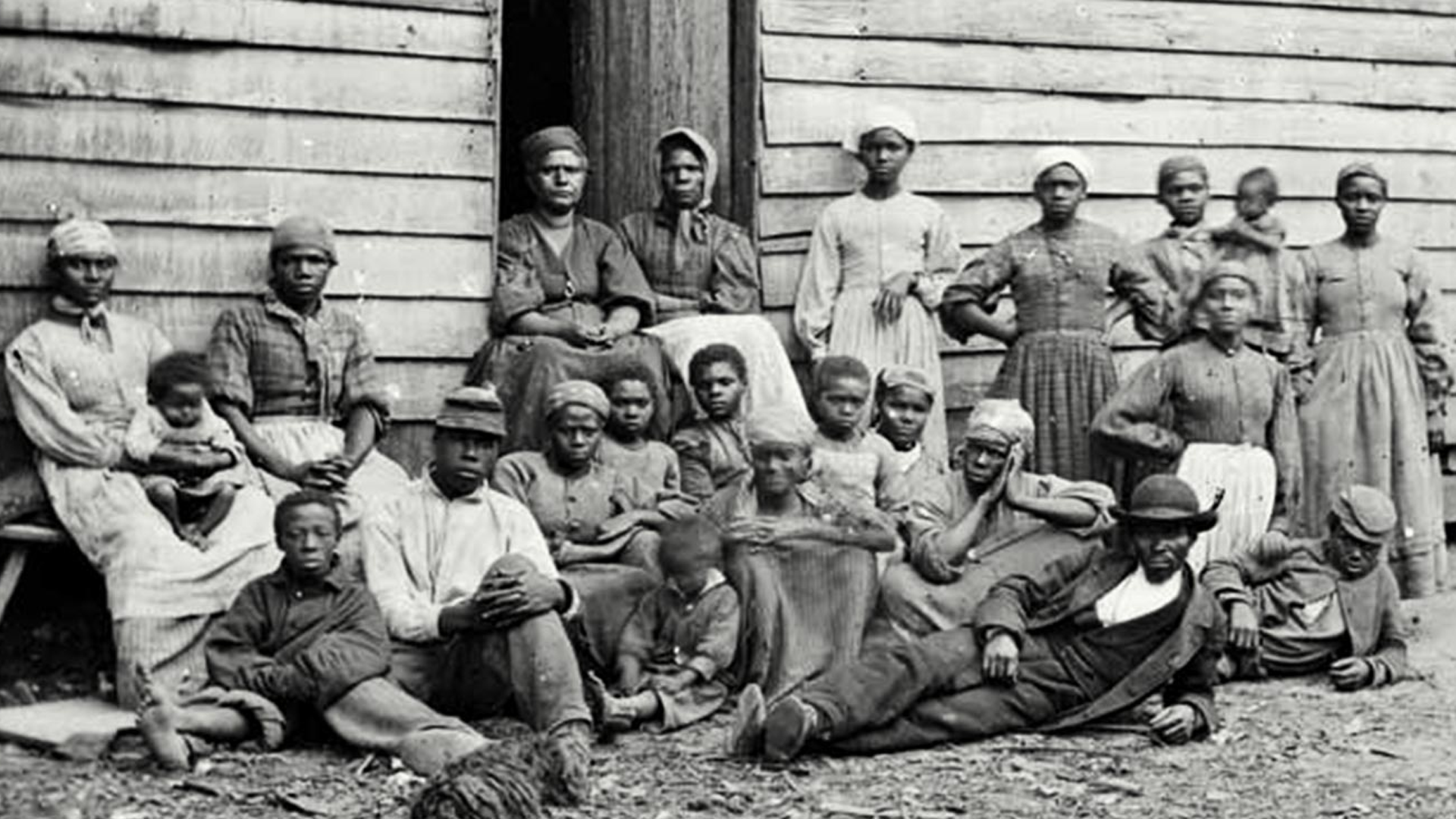
The adoption of the 13th Amendment redefined the nation’s values by formally rejecting slavery and affirming human freedom as a constitutional principle.
What Happened?
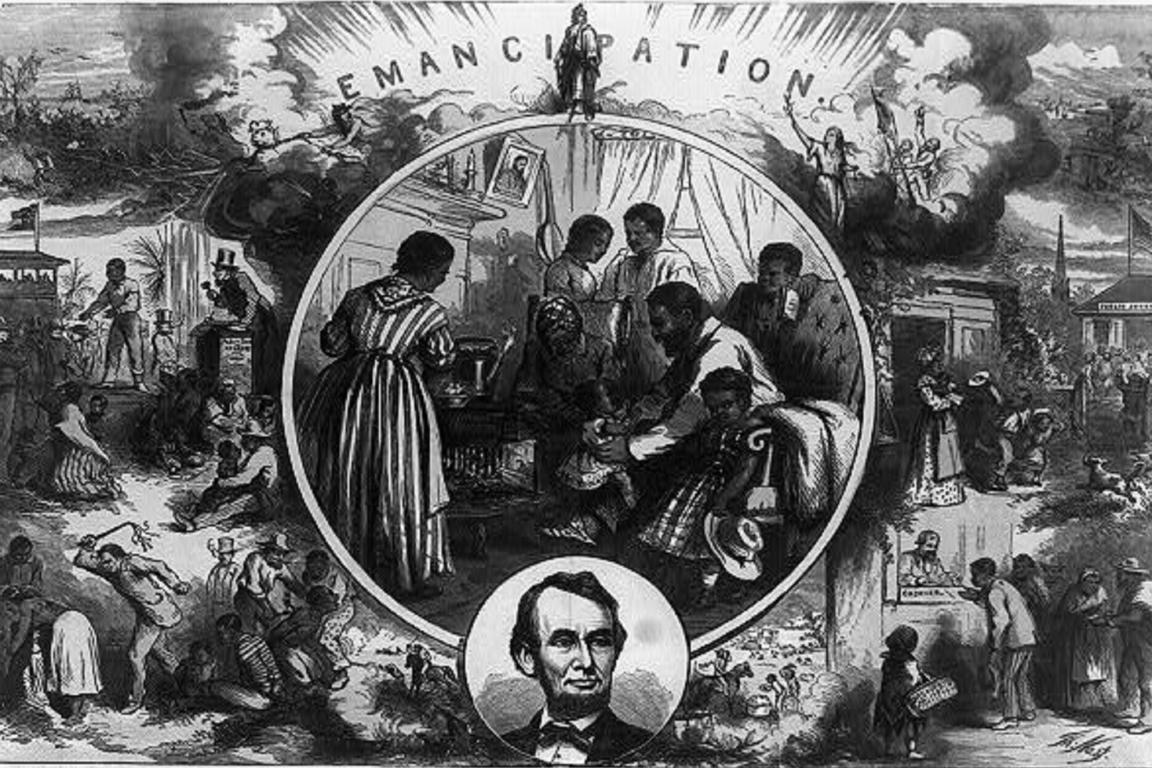
On December 18, 1865, the United States took a historic step toward justice by officially abolishing slavery through the adoption of the 13th Amendment. After being ratified by three quarters of the states, the amendment became part of the Constitution, declaring that slavery and involuntary servitude would no longer exist anywhere under U.S. law.
Slavery had been deeply woven into American society since colonial times, even though the nation was founded on ideas of liberty and equality. The original Constitution avoided directly mentioning slavery, leaving millions of people enslaved while promising freedom in principle. This contradiction shaped American politics and caused growing tension between free states and slave states.
The Civil War forced the nation to confront this moral crisis. At first, President Abraham Lincoln focused on preserving the Union rather than ending slavery outright. As the war continued, it became clear that slavery strengthened the Confederacy and that emancipation would weaken it. This led to the Emancipation Proclamation in 1863, which freed enslaved people only in states still in rebellion.
Although powerful, the Emancipation Proclamation did not permanently end slavery everywhere. A constitutional amendment was needed to make freedom the law of the land. After intense political struggle, Congress passed the 13th Amendment in January 1865, and states completed ratification later that year, ensuring slavery could never legally return.
The amendment changed the meaning of the Constitution by clearly stating that freedom was a national right, not a local choice. It also gave Congress the authority to enforce this freedom through new laws, leading to early civil rights legislation during Reconstruction.
While the 13th Amendment ended legal slavery, it did not end inequality or injustice. The struggle for full civil rights continued through later amendments and movements, reminding Americans that freedom on paper must be defended and expanded through action.
Why It Matters
The 13th Amendment represents one of the most important promises ever written into the U.S. Constitution. It transformed freedom from an ideal into a legal guarantee and forced the nation to reckon with the reality of slavery. Understanding its adoption helps us see that democracy requires courage, sacrifice, and constant effort to move closer to justice and equality for all people.
?
Why did the Constitution originally avoid directly addressing slavery?
How did the Civil War change the nation’s views on slavery?
Why was a constitutional amendment necessary after the Emancipation Proclamation?
What challenges remained after slavery was abolished?
How does the 13th Amendment still affect American society today?
Dig Deeper
An overview of how the 13th Amendment ended slavery and reshaped the Constitution.
A discussion of the amendment’s language, impact, and ongoing debates about its meaning.
Related
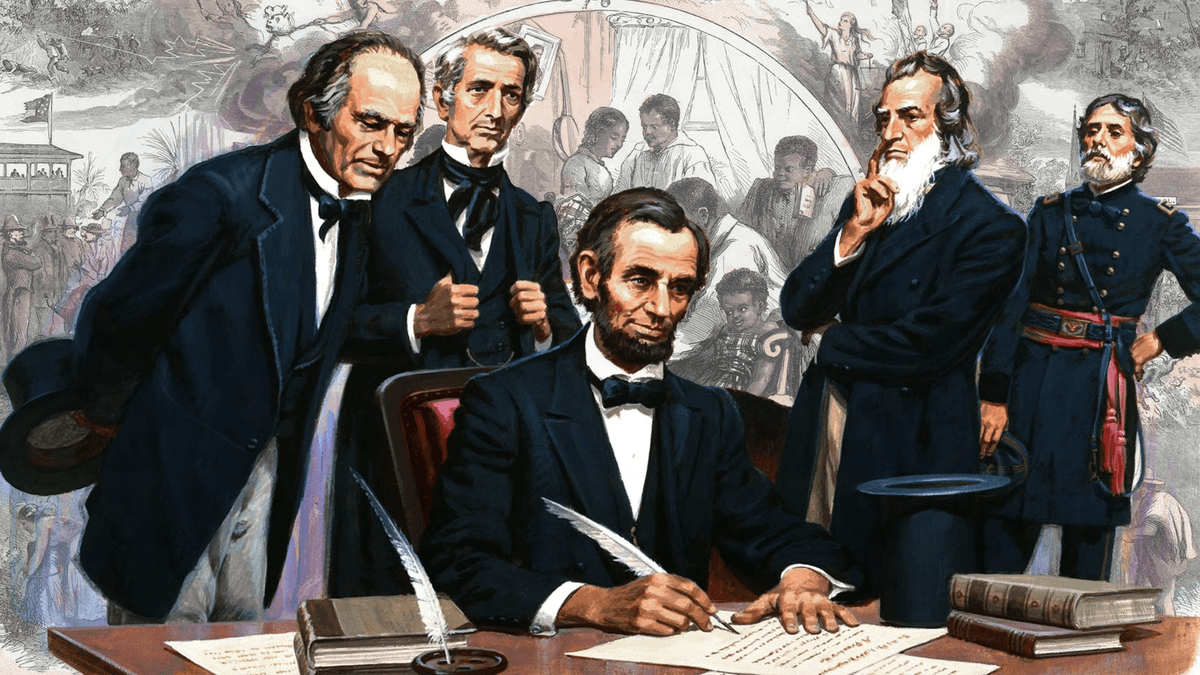
The Emancipation Proclamation & The 13th Amendment
Freedom on paper is one thing; freedom in practice is another. The Emancipation Proclamation and the 13th Amendment were giant leaps toward liberty—yet the road ahead for formerly enslaved people was long and uneven.

The American Civil War – A Nation Torn Apart
From Fort Sumter to Appomattox, the Civil War was the deadliest conflict in U.S. history, fought over the nation's most profound moral and political divisions.
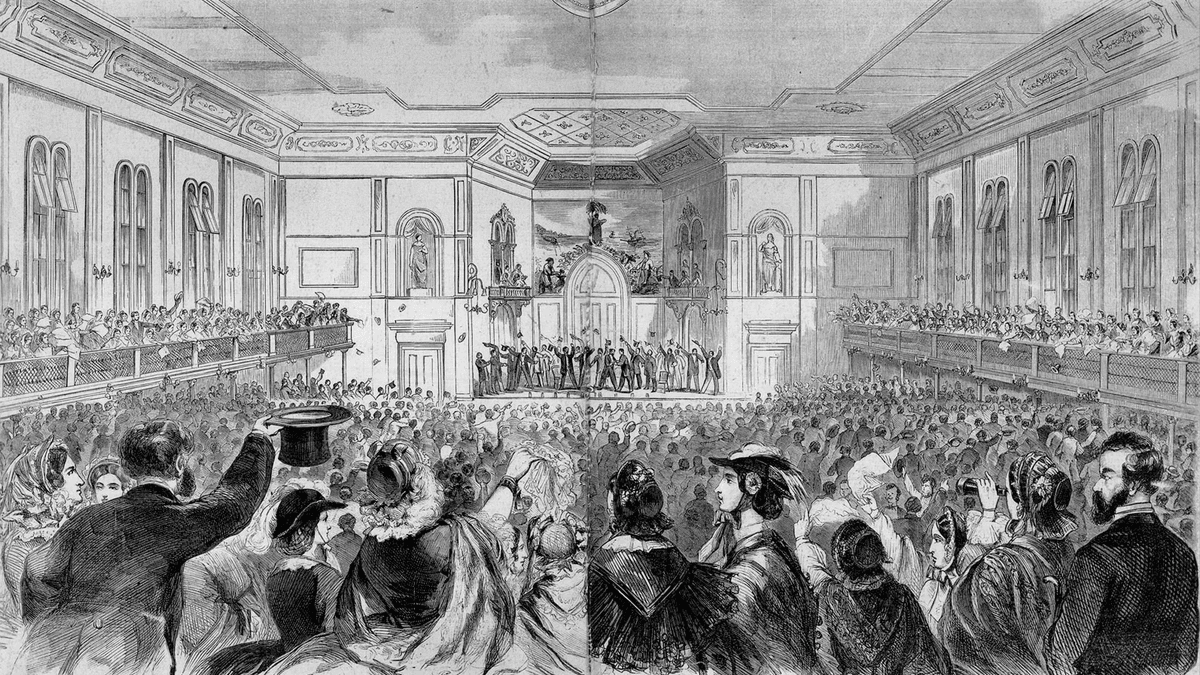
North Carolina’s Road to Secession
Why a state known for hesitation became a decisive force in the Confederacy.
Further Reading
Stay curious!