

Treaty of New Echota Is Signed
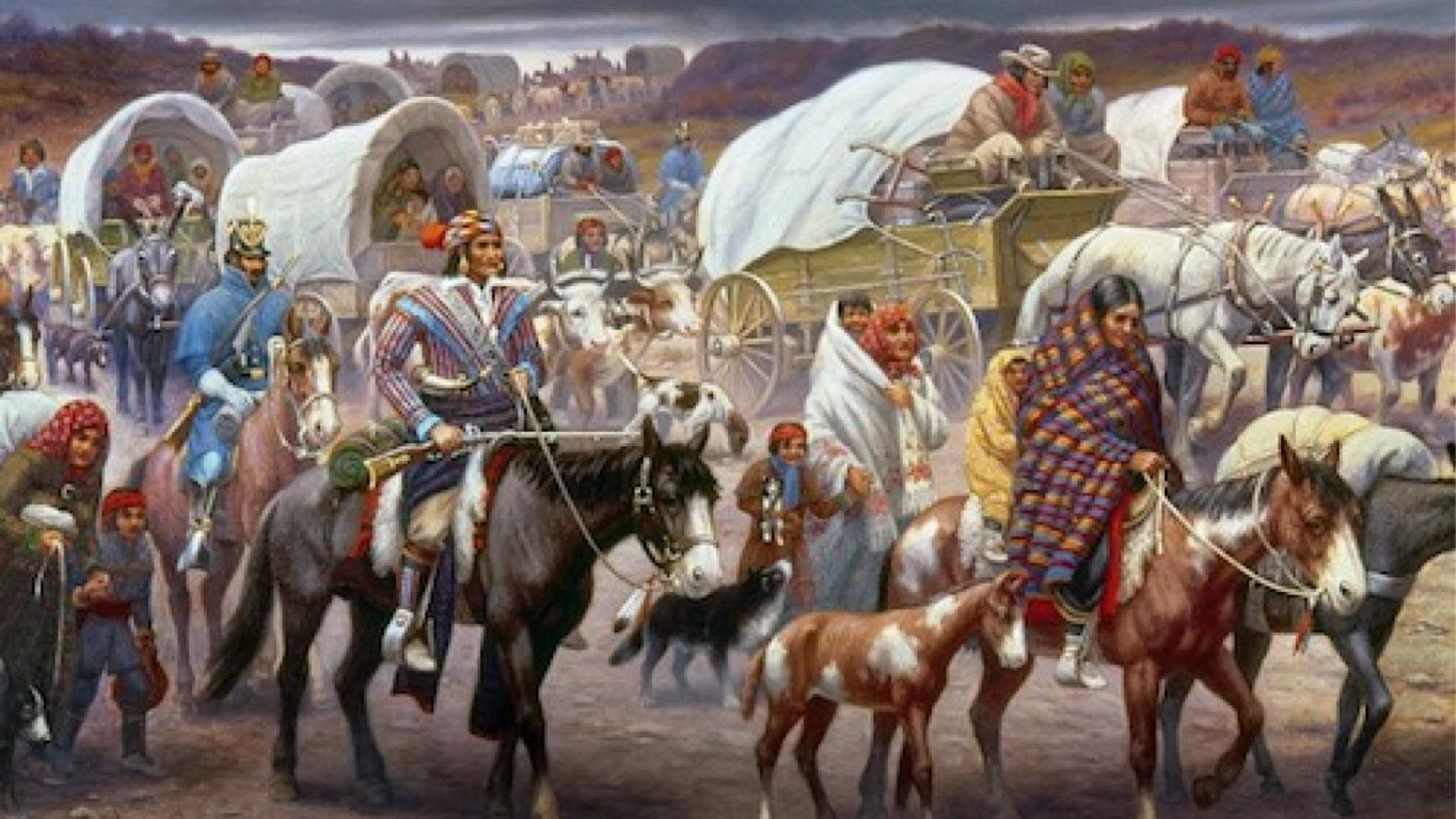
The signing of the Treaty of New Echota led to the forced removal of the Cherokee people from their ancestral lands.
What Happened?
In the early 1800s, the Cherokee Nation lived on ancestral lands across what is now Georgia, Tennessee, North Carolina, and Alabama. They built farms, towns, schools, and a written constitution modeled after the United States. Cherokee leaders believed these efforts showed that their nation could coexist peacefully alongside the U.S. as a sovereign people.
Despite these efforts, pressure on Cherokee land increased after Andrew Jackson became president in 1828. Jackson strongly supported Indian removal, believing Native nations should be pushed west of the Mississippi River to make room for white settlement. States like Georgia passed laws that ignored Cherokee sovereignty and encouraged settlers to seize Cherokee land.
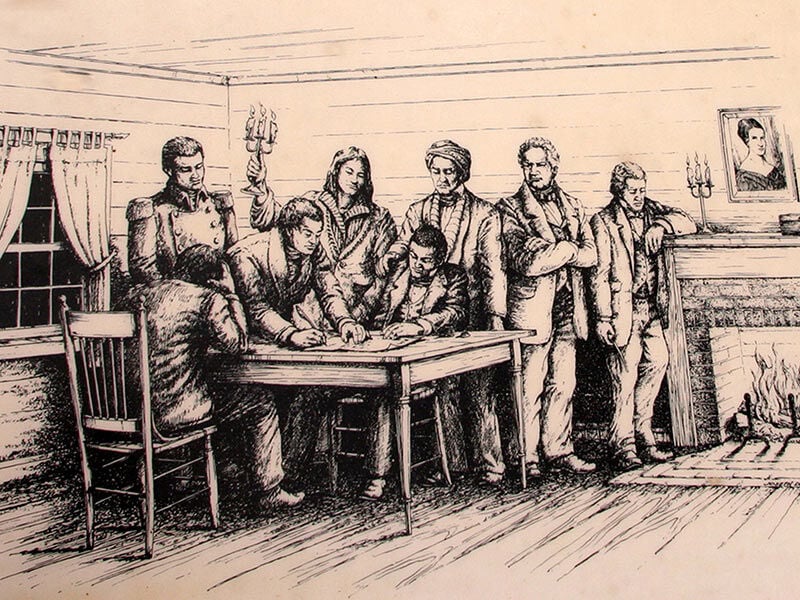
Most Cherokee citizens, led by Principal Chief John Ross, firmly opposed removal. However, a small group known as the Treaty Party believed forced removal was inevitable and hoped to negotiate the best possible terms to protect their people. This minority group, led by figures such as Major Ridge and Elias Boudinot, met with U.S. officials at New Echota, Georgia.
On December 29, 1835, the Treaty of New Echota was signed without approval from the Cherokee National Council or Chief Ross. Fewer than 500 Cherokee supported the treaty, even though the nation had more than 16,000 members. The treaty traded roughly seven million acres of Cherokee land for five million dollars and land in present day Oklahoma.
The Cherokee Nation immediately protested the treaty. Thousands signed petitions urging Congress to reject it, arguing it was illegal and unjust. Despite knowing it lacked support, the U.S. Senate narrowly ratified the treaty in 1836, making it official under U.S. law.
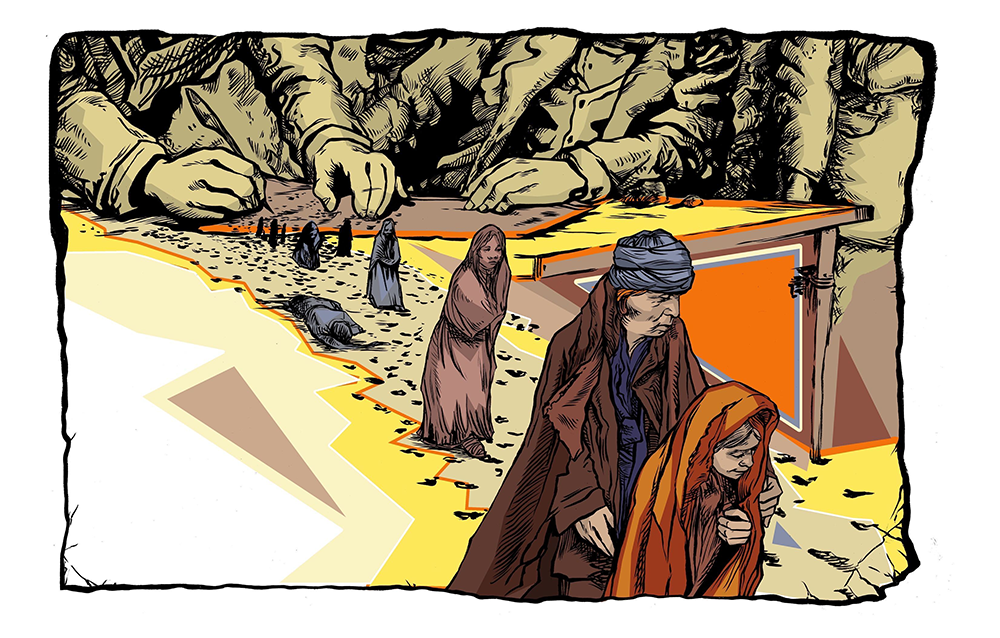
When most Cherokee refused to leave, the U.S. government sent troops in 1838 to force their removal. Families were imprisoned in camps and marched west under brutal conditions. Along the journey known as the Trail of Tears, thousands died from disease, hunger, and exhaustion.
The Treaty of New Echota tore apart Cherokee society and remains one of the clearest examples of how broken treaties and forced policies devastated Native nations. Its legacy still shapes conversations about justice, sovereignty, and the lasting impact of government power on Indigenous peoples.
Why It Matters
The Treaty of New Echota shows how laws can be used to justify injustice when power overrides consent. It reminds us that democracy fails when agreements are made without the voices of the people affected. Understanding this treaty helps explain the Trail of Tears and teaches why honoring sovereignty, human dignity, and treaty rights is essential to justice and historical truth.
?
Why did most Cherokee leaders oppose the Treaty of New Echota?
How did U.S. government power influence the outcome of the treaty?
What choices did the Cherokee people face during this period?
Why is the Trail of Tears still remembered today?
What lessons can be learned about consent and fairness from this event?
Dig Deeper
A historical look at how the Treaty of New Echota shaped the fate of the Cherokee Nation.
An examination of the treaty’s promises and their long term consequences.
Related
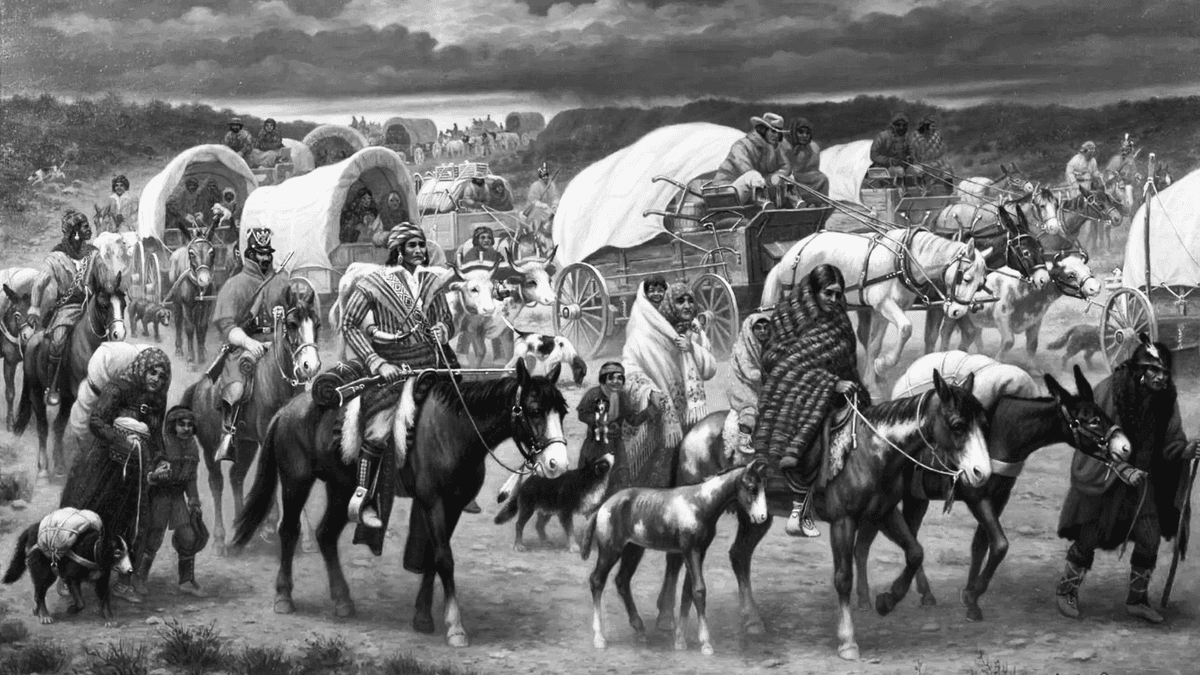
Indian Removal and the Trail of Tears
In the 1830s, the U.S. government forced thousands of Native Americans—including the Cherokee—off their ancestral lands, leading to a deadly westward march known as the Trail of Tears.
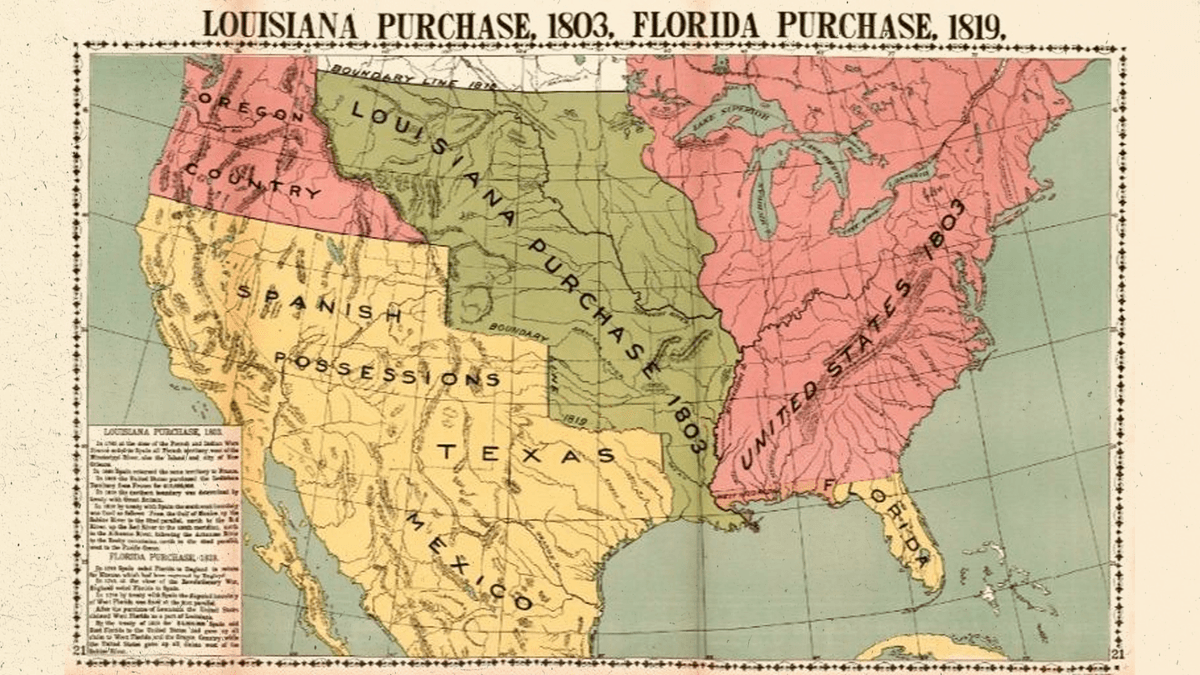
The Louisiana Purchase: A River, A Bargain, and a Bigger United States
In 1803 the United States bought the vast Louisiana Territory from France, doubling the nation’s size, securing the Mississippi River, and setting the stage for westward expansion and hard questions about slavery and Native sovereignty.
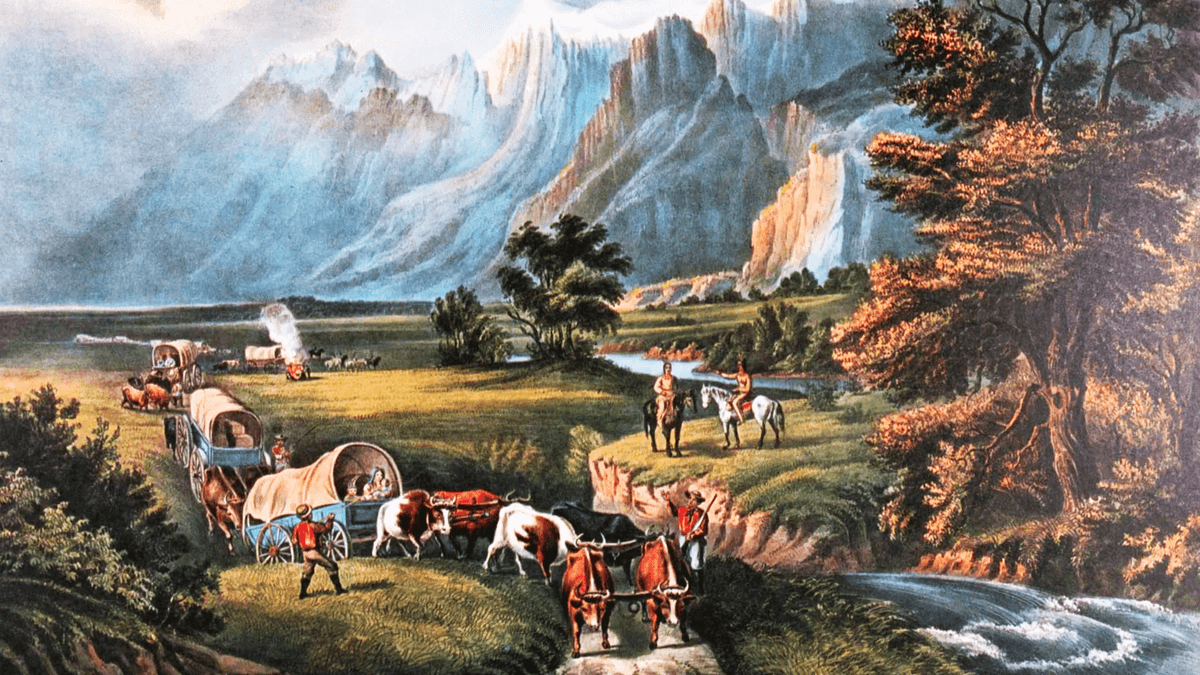
Westward Expansion, Sectionalism, and the Road to Civil War
Manifest Destiny fueled territorial growth, but it also deepened sectional divides—turning political disagreements over slavery and states’ rights into irreconcilable conflicts that led to civil war.
Further Reading
Stay curious!