

Jane Austen
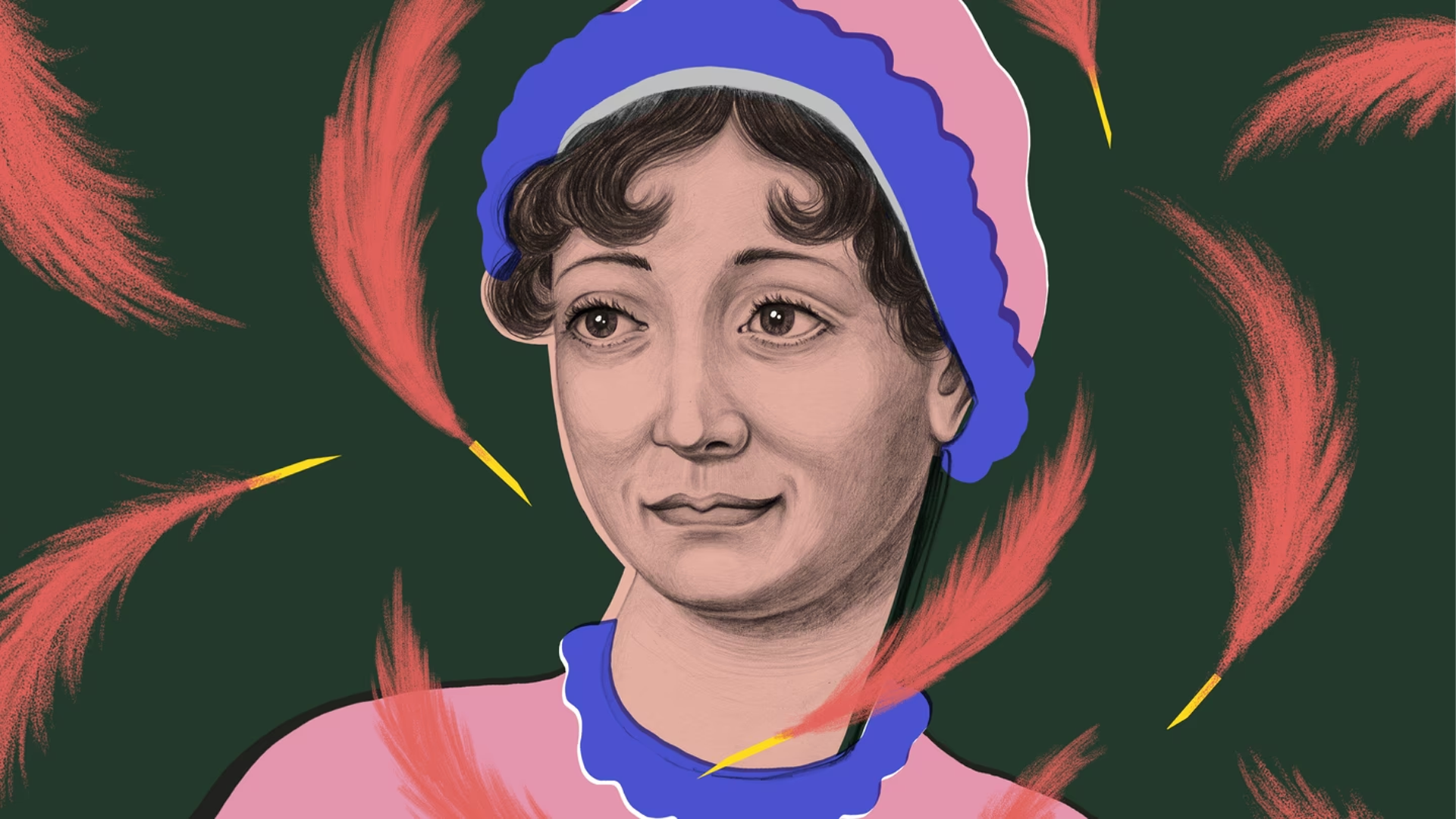
Biography
Jane Austen was born on December 16, 1775, in the small village of Steventon, England. She grew up in a lively and loving family with six brothers and one sister. Jane’s father was a church minister who loved books, and he encouraged all his children to read, think, and learn. From a young age, Jane discovered that stories could help people understand the world—and themselves.
Jane did not attend school for very long, but she had something just as powerful: access to her father’s large library. She read constantly and began writing her own stories as a child. By her early teenage years, Jane was already creating short novels, plays, and funny stories to entertain her family. These early writings helped her find her voice and sharpen her sense of humor.
Jane paid close attention to the world around her. She noticed how people acted in social situations, how money and class affected friendships, and how women often had limited choices in life. At the time, women were expected to marry for security, not independence. Jane used her stories to gently question these rules, often with humor and irony.
In her twenties, Jane wrote early versions of what would become her most famous novels, including Pride and Prejudice and Sense and Sensibility. At first, publishers rejected her work, and for many years she struggled to find success. Life was also unsettled—her family moved often, money was tight, and her father passed away. Still, Jane continued to write.
Everything changed when Jane and her family settled in a small cottage in Chawton. There, she finally had the quiet time and space to focus. Between 1811 and 1815, Jane published four novels: Sense and Sensibility, Pride and Prejudice, Mansfield Park, and Emma. Though her books were published anonymously, they were widely read and admired for their realism, strong characters, and sharp observations.
Jane’s novels focused on ordinary people, especially women, making thoughtful choices in everyday life. Her characters make mistakes, learn lessons, and grow. Readers connected with them because they felt real. Jane showed that small moments—conversations, misunderstandings, and decisions—can shape an entire life.
In her later years, Jane continued writing even as her health declined. She worked on Persuasion and began another novel, Sanditon, which she was unable to finish. Jane Austen died on July 18, 1817, at just 41 years old. During her lifetime, she was not fully recognized for her greatness—but her influence was only beginning.
Today, Jane Austen is celebrated around the world. Her books have been read for more than 200 years and adapted into movies, shows, and modern stories. She proved that careful observation, honesty, and courage can turn everyday life into timeless art. Instead of writing about kings or heroes, she wrote about everyday people making real choices. She gave readers (especially women) a voice at a time when their opinions were often ignored. Her work teaches us to think carefully, question unfair rules, and look beyond first impressions. Jane Austen showed that intelligence, empathy, and humor can quietly reshape culture. Her stories still help readers understand relationships, society, and themselves, proving that honest storytelling can last forever.
?
Dig Deeper
An engaging look at Jane Austen’s sharp humor and how her novels challenged social rules.
Explores how Jane Austen’s writing helped readers grow wiser and more thoughtful.
Discover more

William Shakespeare
William Shakespeare was one of the greatest writers in history, known for plays and poems that still shape storytelling today.
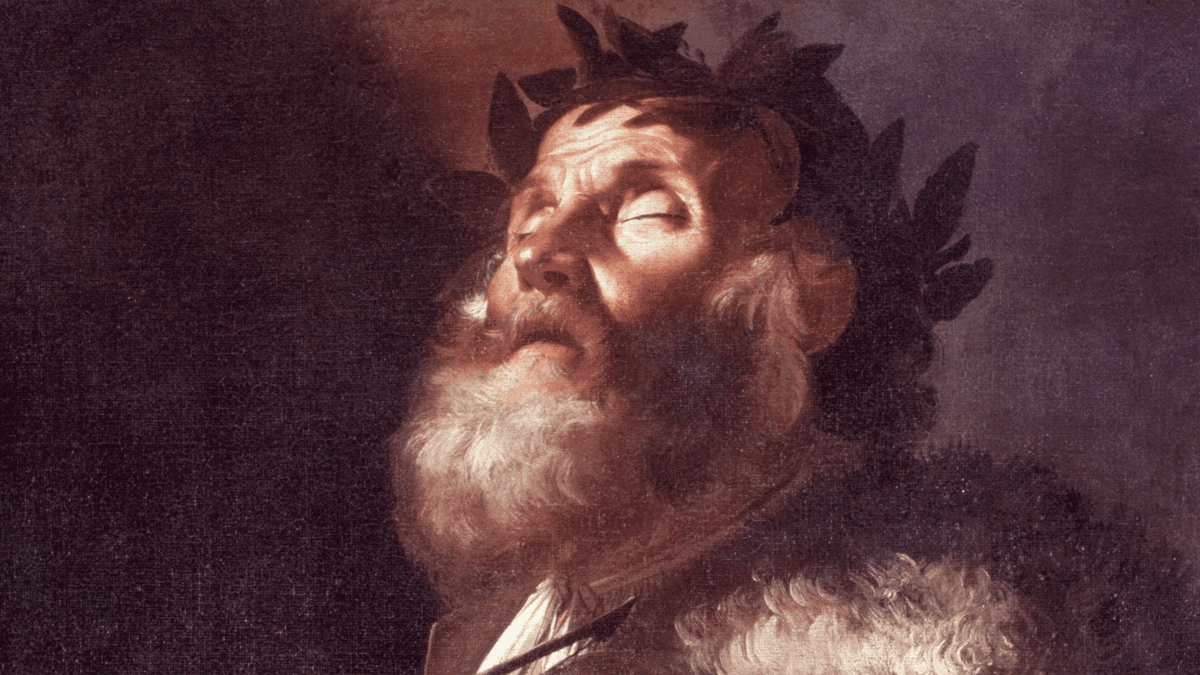
Homer
Homer was an ancient Greek poet whose epic stories helped shape storytelling, education, and culture for thousands of years.
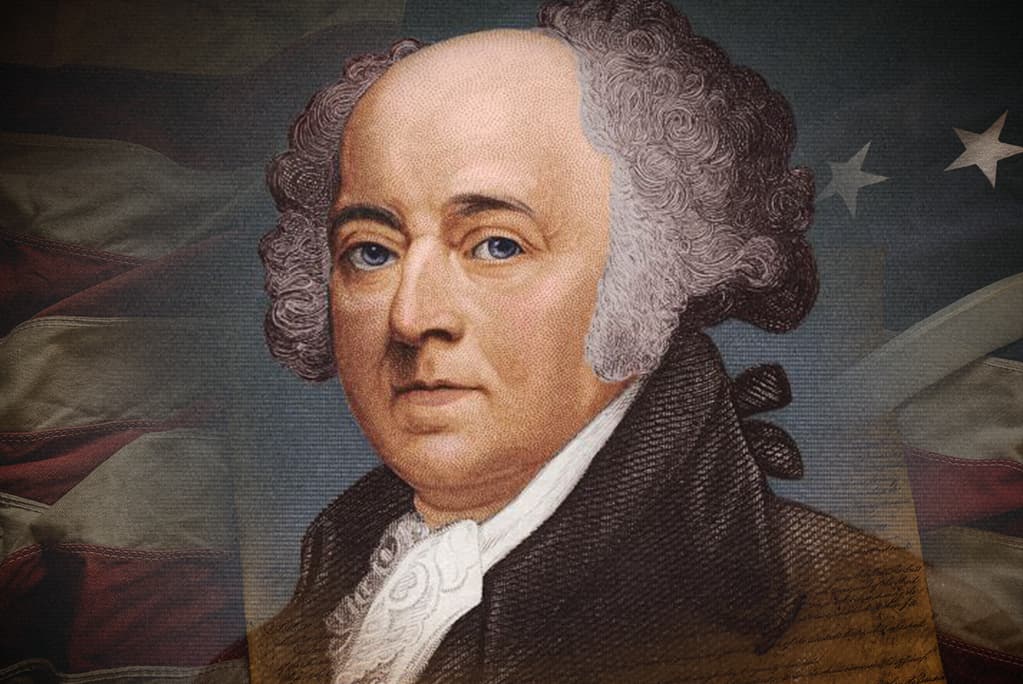
John Adams
As a lawyer, diplomat, political philosopher, and the second President of the United States, John Adams helped shape the very idea of American liberty.
Further Reading
Stay curious!