

Jeannette Rankin
Biography
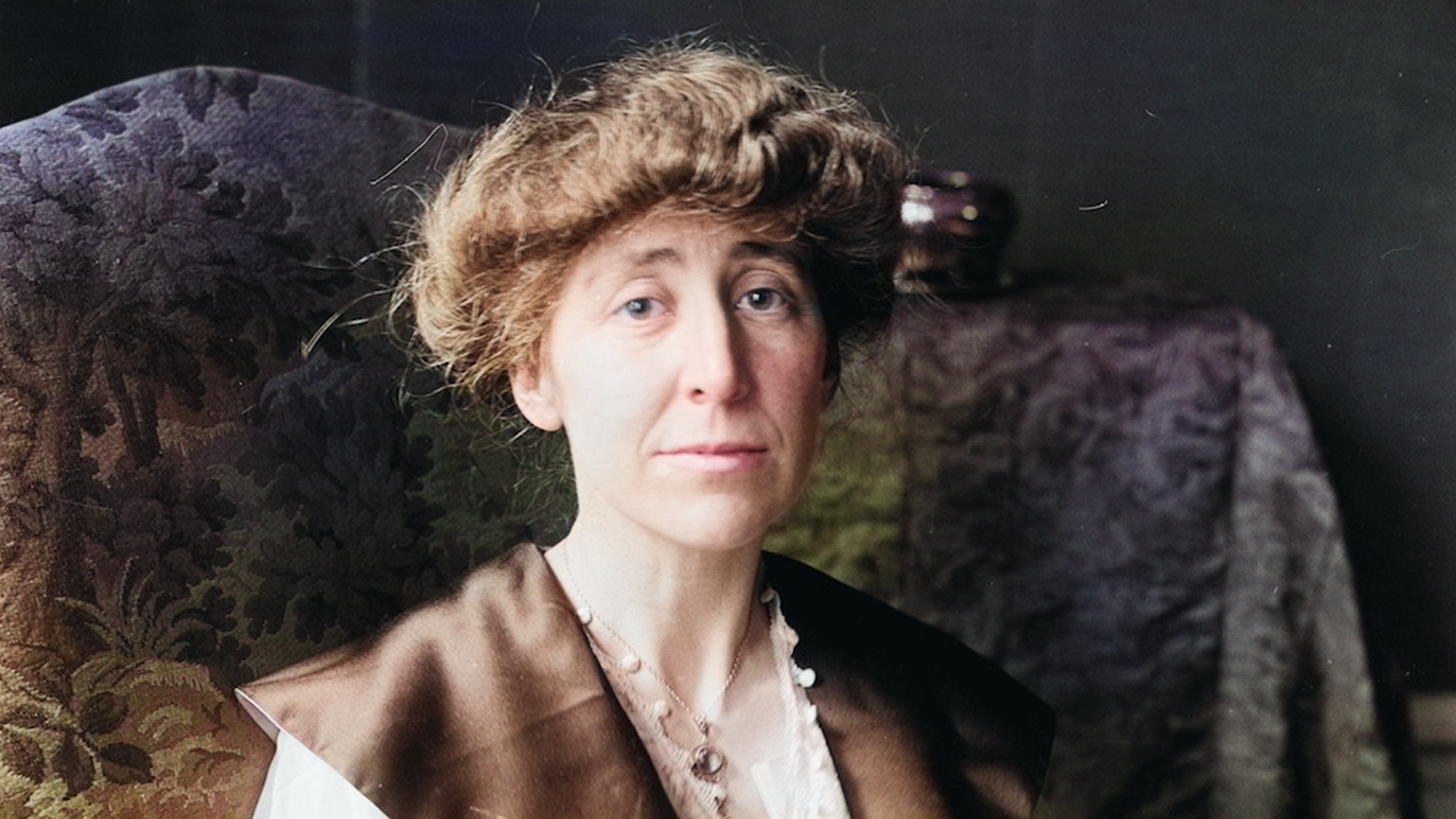
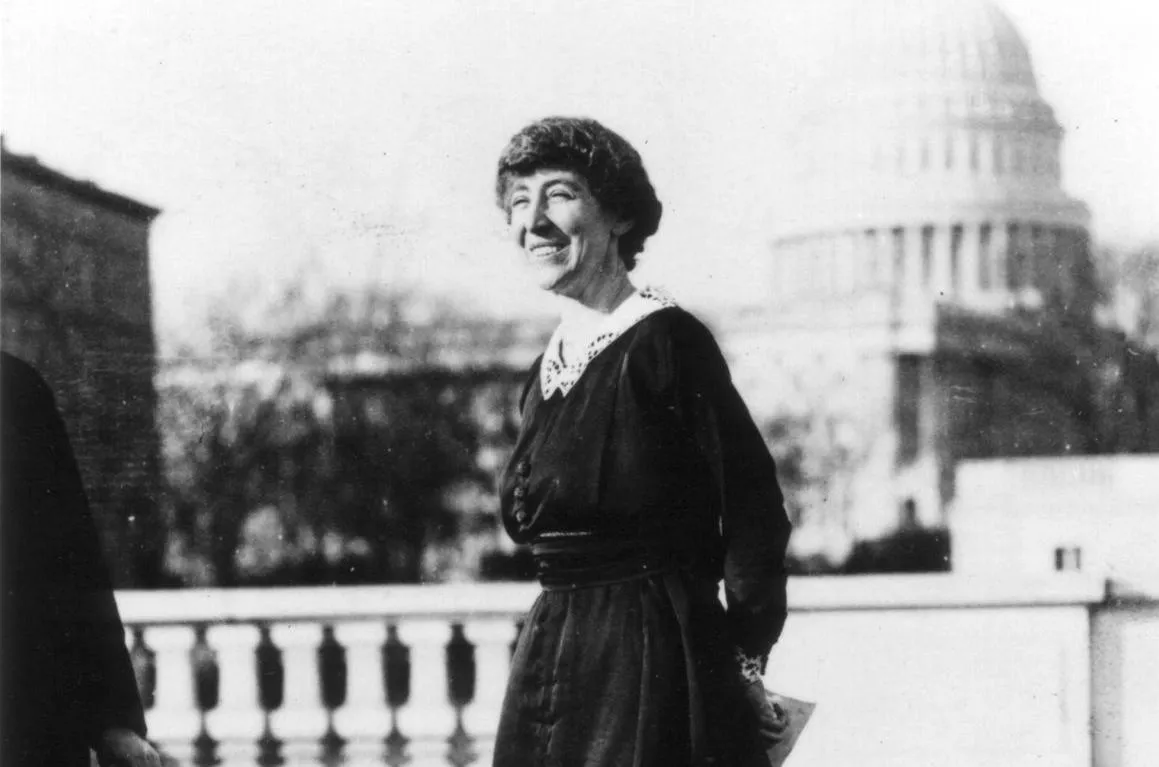
Jeannette Rankin believed that courage means standing up for what you believe—even when you stand alone. In 1916, she made history by becoming the first woman ever elected to the United States Congress. At a time when most women in America could not even vote yet, Rankin stepped onto the national stage and proved that women belonged in government.
Jeannette Rankin was born on June 11, 1880, in Missoula, Montana. She grew up on a ranch and learned early how to work hard and think for herself. As the oldest of seven children, she often helped care for her younger siblings. Her parents encouraged independence, and Rankin grew up believing that women should have the same opportunities as men.
After graduating from the University of Montana, Rankin became a social worker. While working with poor families and children in cities like San Francisco and Seattle, she saw how poverty and unfair laws hurt women and children. These experiences inspired her to fight for change. She soon joined the movement for women’s suffrage—the fight for women’s right to vote. Rankin worked tirelessly to convince people that women deserved a voice in government. In 1914, Montana became one of the first states to give women the right to vote, thanks in part to Rankin’s organizing and leadership.
Just two years later, Rankin decided to run for Congress. Many people doubted that a woman could win such an election. But Rankin traveled across Montana speaking with voters about women’s rights, children’s welfare, and peace. In November 1916, she won the election and became the first woman ever chosen to serve in the United States Congress. When she arrived in Washington, D.C., people across the country watched closely to see what the “Lady from Montana” would do.
Only days after she was sworn in, Congress faced a huge decision: whether the United States should enter World War I. Many leaders supported joining the war. Rankin, however, believed strongly in peace. When it came time to vote, she stood before Congress and said, “I want to stand by my country, but I cannot vote for war.” She voted no. Many people were angry with her, and the vote hurt her chances of being re-elected. Yet Rankin believed that doing what she thought was right mattered more than being popular.
During her time in Congress, Rankin also worked to help women gain the right to vote nationwide. She helped push for a constitutional amendment that would eventually become the Nineteenth Amendment to the United States Constitution. When it passed in 1920, millions of American women were finally able to vote in national elections. Rankin left Congress after one term, but she never stopped speaking out for peace and justice. She spent the next twenty years working with organizations that tried to prevent wars and protect the rights of women and children.
More than twenty years later, Rankin returned to Congress. In 1940, she was elected again as a representative from Montana. Soon after, the United States faced another global conflict—World War II. When Japan attacked Pearl Harbor in 1941, Congress quickly voted to declare war. Rankin again stood alone in her beliefs. She was the only member of Congress to vote against entering the war. Explaining her decision, she said, “As a woman, I can’t go to war and I refuse to send anyone else.” The decision was extremely unpopular, and many people criticized her, but Rankin believed strongly that war would only bring more suffering.
After leaving Congress, Rankin continued working for peace and justice. She traveled the world, spoke out against war, and supported movements that protected human rights. Even in her later years, she remained active. In 1968, at the age of 87, she helped lead thousands of women in a march in Washington, D.C., protesting the Vietnam War. She believed that ordinary citizens—especially women—had the power to speak up and change the world. Rankin died in 1973 at the age of ninety-two, after a long life of activism and courage, leaving behind a powerful legacy.
Today, millions of women vote in elections across the United States and hundreds have served in Congress since Jeannette Rankin first took office. Her journey helped open the door for them. She showed that leadership isn't about following the crowd. It's about listening to your conscience and working for what you believe is right. Her story reminds us that progress often begins with one brave voice willing to challenge the way things are.
?
Dig Deeper
Learn about Jeannette Rankin’s groundbreaking career as the first woman elected to Congress and her lifelong dedication to peace and equality.
Discover more
Susan B. Anthony
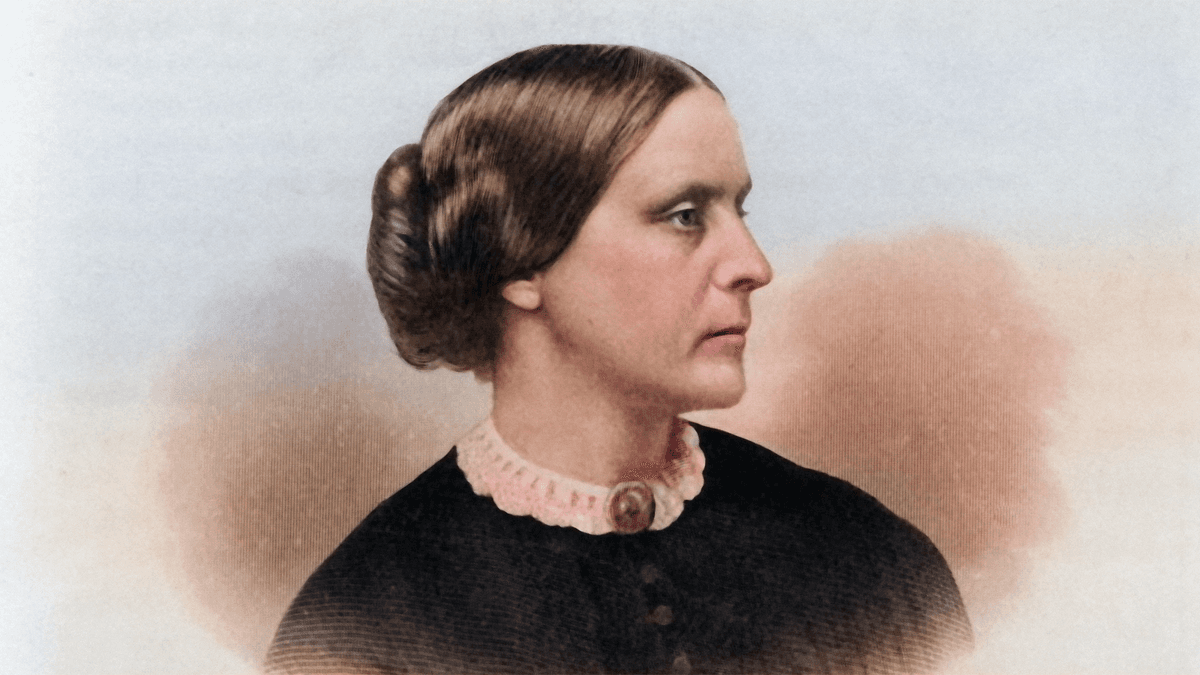
Susan B. Anthony was a leading voice in the fight for women’s right to vote and helped build the national suffrage movement.
Jane Addams
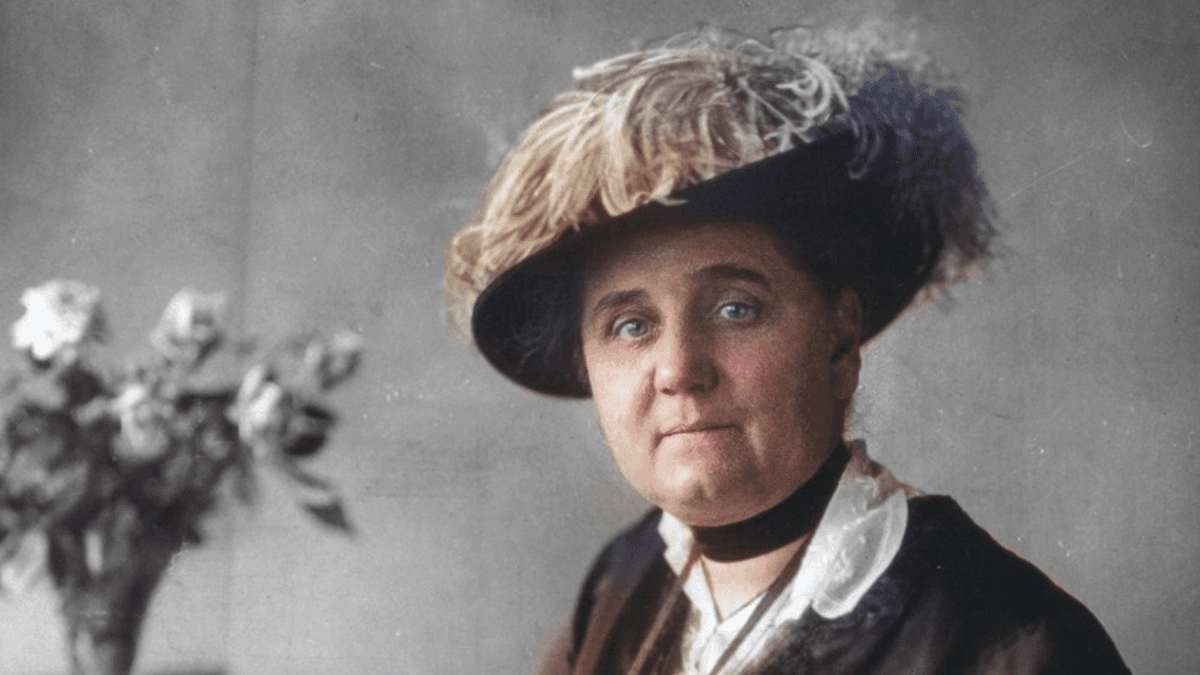
Jane Addams was a pioneering social reformer and peace activist who believed communities grow stronger when people care for one another.
Ida B. Wells-Barnett
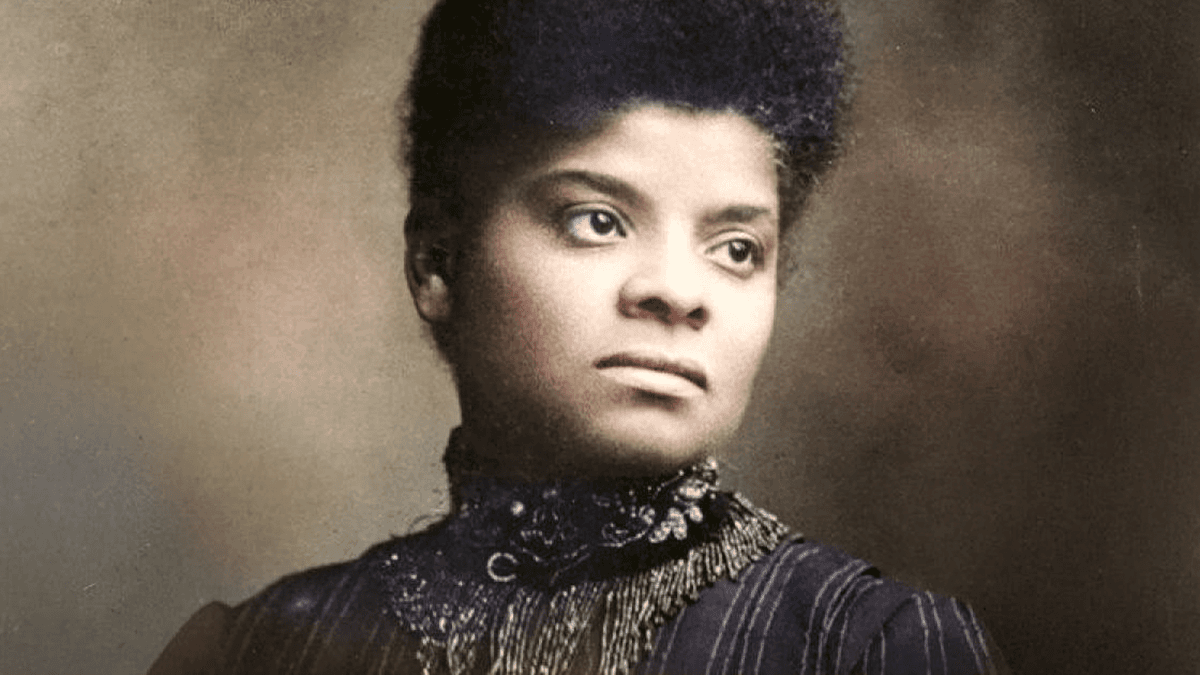
Ida B. Wells-Barnett was a fearless journalist and civil rights leader who exposed the truth about racial violence and demanded justice.
Further Reading
Stay curious!