

Susan B. Anthony

Biography
Susan B. Anthony was one of the most important leaders in the fight for women’s right to vote. She spent her life traveling, speaking, organizing, and demanding fairness. At a time when women could not vote, own property easily, or earn equal pay, Susan B. Anthony refused to accept that inequality was normal. She believed that democracy should include everyone, not just men.
Susan Anthony was born on February 15, 1820, in Adams, Massachusetts. She grew up in a Quaker family that believed all people were equal before God. Her father cared deeply about education, and Susan was encouraged to study subjects like math, science, and philosophy. When her family moved to Rochester, New York, their home became a meeting place for people who wanted to end slavery. Famous abolitionists like Frederick Douglass visited their house. From a young age, Susan learned that speaking up against injustice mattered.
As a young woman, Anthony became a teacher. That is when she discovered something that shocked her: male teachers were paid much more than female teachers. Men earned about $10 a month, while women earned only $2.50 for the same work. This unfair treatment opened her eyes. She began working with teacher groups and speaking out about equal pay. She also became active in the temperance movement, which tried to reduce alcohol abuse, and in the fight to end slavery.
In 1851, Susan B. Anthony met Elizabeth Cady Stanton. The two women became lifelong partners in the struggle for women’s rights. Stanton often wrote speeches and organized ideas, while Anthony traveled across the country giving speeches and collecting signatures for petitions. Together, they demanded that women be allowed to vote, own property, and have equal legal rights. Anthony helped found organizations and newspapers that spread these ideas. One of their newspapers, The Revolution, carried the bold motto: “Men, their rights, and nothing more; women, their rights, and nothing less.”
After the Civil War, the United States passed the Fourteenth and Fifteenth Amendments, which gave citizenship and voting rights to Black men. However, women were still left out. This caused disagreements among reformers. Anthony believed that women should not be excluded from voting rights. In 1872, she decided to test the law herself. She registered to vote in Rochester, New York, and cast a ballot in the presidential election. A few days later, she was arrested. At her trial in 1873, the judge ordered the jury to find her guilty and fined her $100. Anthony refused to pay the fine. Though she did not win in court, her trial brought national attention to the cause of women’s suffrage.
For decades, she continued organizing conventions, writing, speaking, and building national organizations. She helped write the multi-volume History of Woman Suffrage so that future generations would remember the movement. She led the National American Woman Suffrage Association and spoke around the country, even into her eighties. She once said, “Failure is impossible,” because she believed that justice would eventually win.
Susan B. Anthony died on March 13, 1906, in Rochester, New York. She didn't live to see women gain the right to vote. But in 1920, fourteen years after her death, the Nineteenth Amendment was ratified, giving women the right to vote across the United States. Many people called it the “Susan B. Anthony Amendment” in her honor.
Susan B. Anthony helped redefine who “We the People” includes. At a time when women could not vote, hold most public offices, or control their own wages, she insisted that democracy must belong to everyone. Her life teaches us that change does not happen overnight. It takes courage, patience, and determination. She faced criticism, arrest, and even danger, but she never stopped believing that women deserved equal rights. Because of her work, millions of women today can raise their voices at the ballot box. Her story reminds us that when people stand up for fairness, they can help shape the future.
?
Dig Deeper
Learn about Susan B. Anthony’s role in the fight for women’s suffrage.
Discover why Susan B. Anthony was arrested for voting in 1872.
Explore the early women’s rights movement and the push for equality.
Discover more
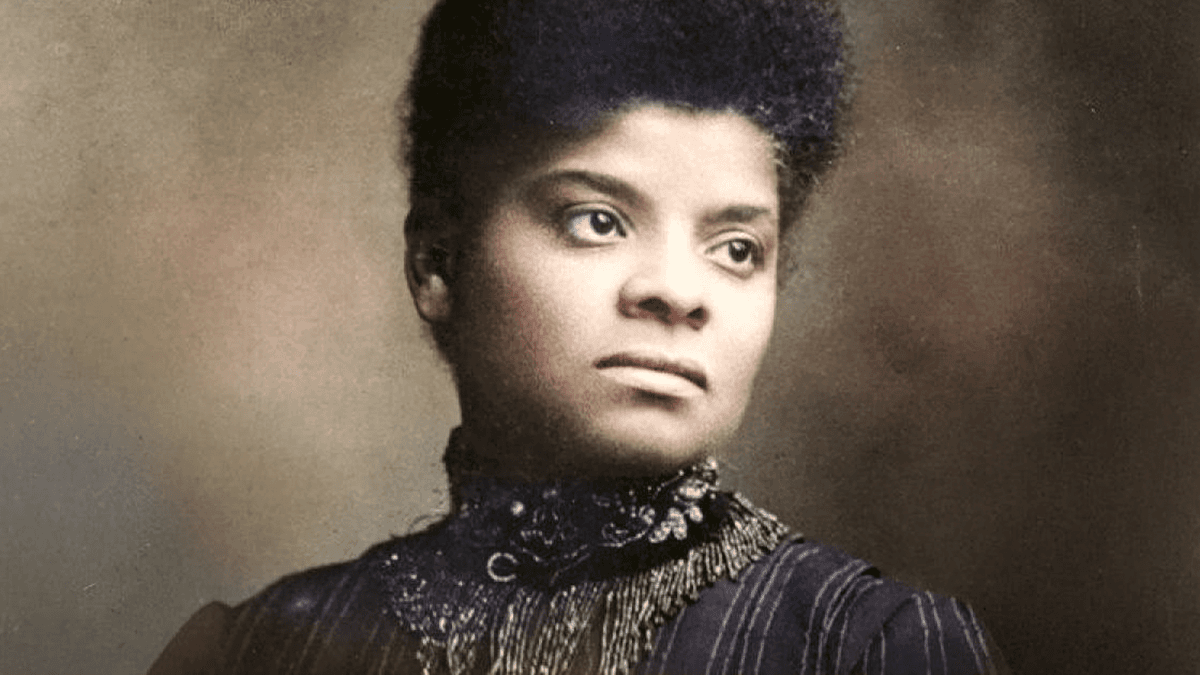
Ida B. Wells-Barnett
Ida B. Wells-Barnett was a fearless journalist and civil rights leader who exposed the truth about racial violence and demanded justice.
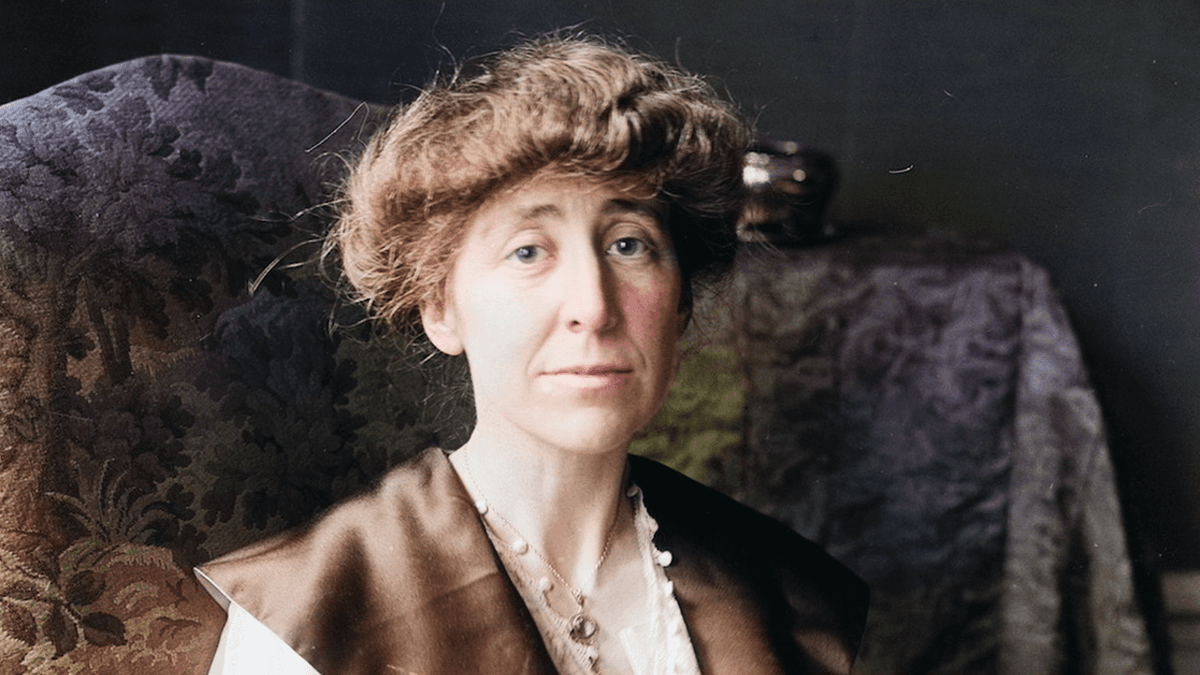
Jeannette Rankin
Jeannette Rankin was the first woman elected to the United States Congress and a lifelong advocate for peace, women’s rights, and social justice.
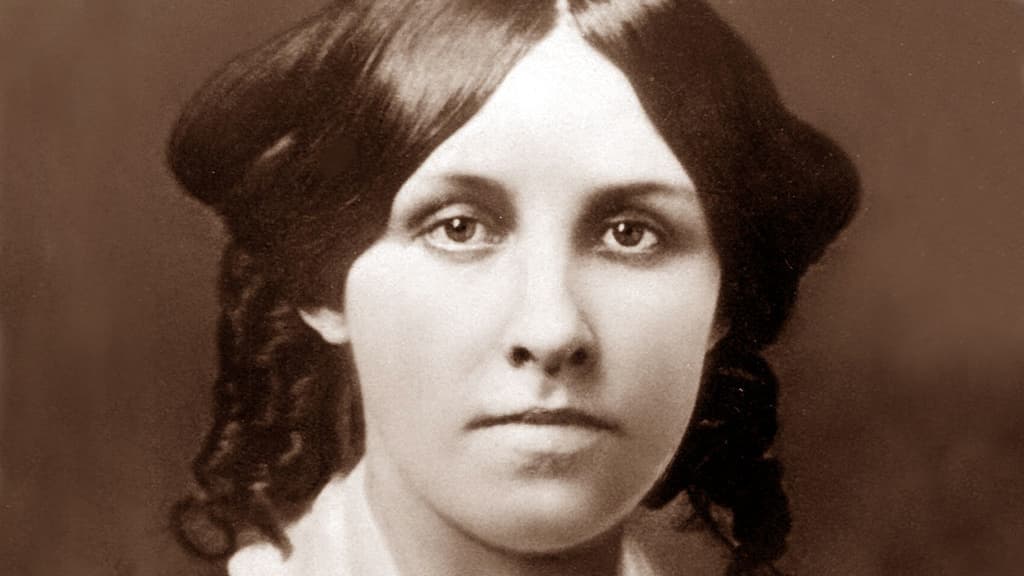
Louisa May Alcott
A feminist, abolitionist, and fierce advocate for women's rights, Louisa May Alcott turned her personal struggles into public triumphs, creating characters that dared to live, speak, and choose freely.
Further Reading


Stay curious!