

African American Men Gain Voting Rights in D.C.
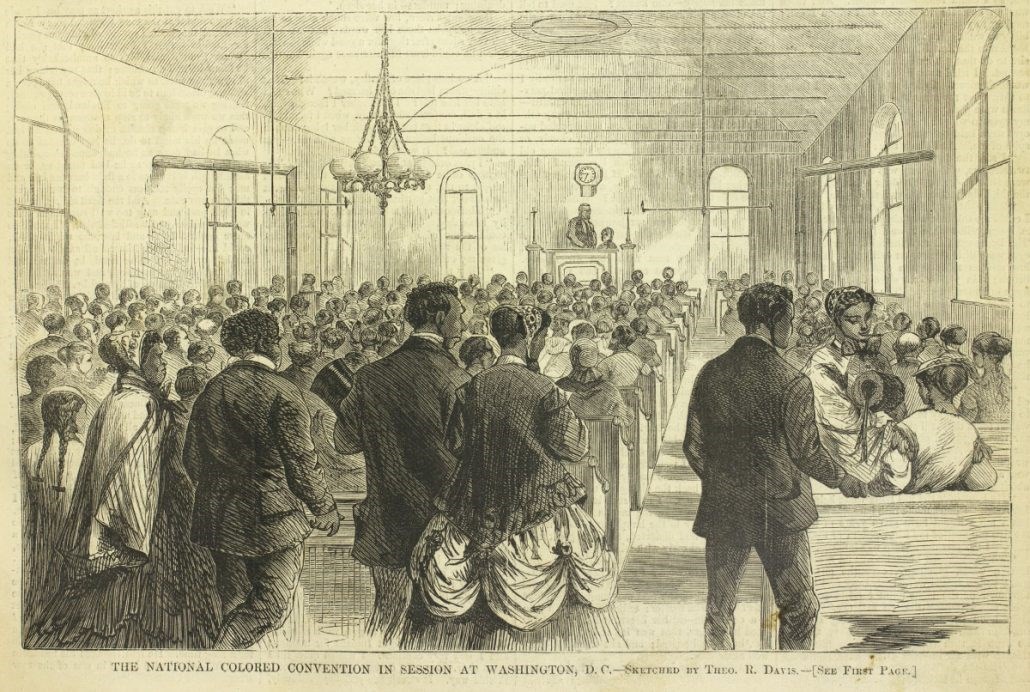
Historic illustration of African American men voting in Washington, D.C.
What Happened?
On January 8, 1867, African American men in Washington, D.C., gained the right to vote, three years before the Fifteenth Amendment.
President Andrew Johnson vetoed the measure, but Congress overrode his opposition, highlighting the tensions of Reconstruction.
Despite this victory, D.C. residents did not gain the right to vote in federal elections until 1961 and still lack full congressional representation.
Why It Matters
The granting of voting rights to African American men in Washington, D.C., was a pivotal moment in the fight for equality and democracy. It exemplifies the power of legislative action to challenge systemic racism and expand civil rights. However, this victory also highlights the ongoing struggle for full representation in the nation's capital, where residents still face inequities in federal decision-making. By examining this history, we can better understand the importance of voting rights and the continued work needed to achieve a truly inclusive democracy.
?
Dig Deeper
Historian Yohuru Williams give a brief rundown of the history of the 15th Amendment, which outlawed votings rights discrimination after the Civil War.
Related
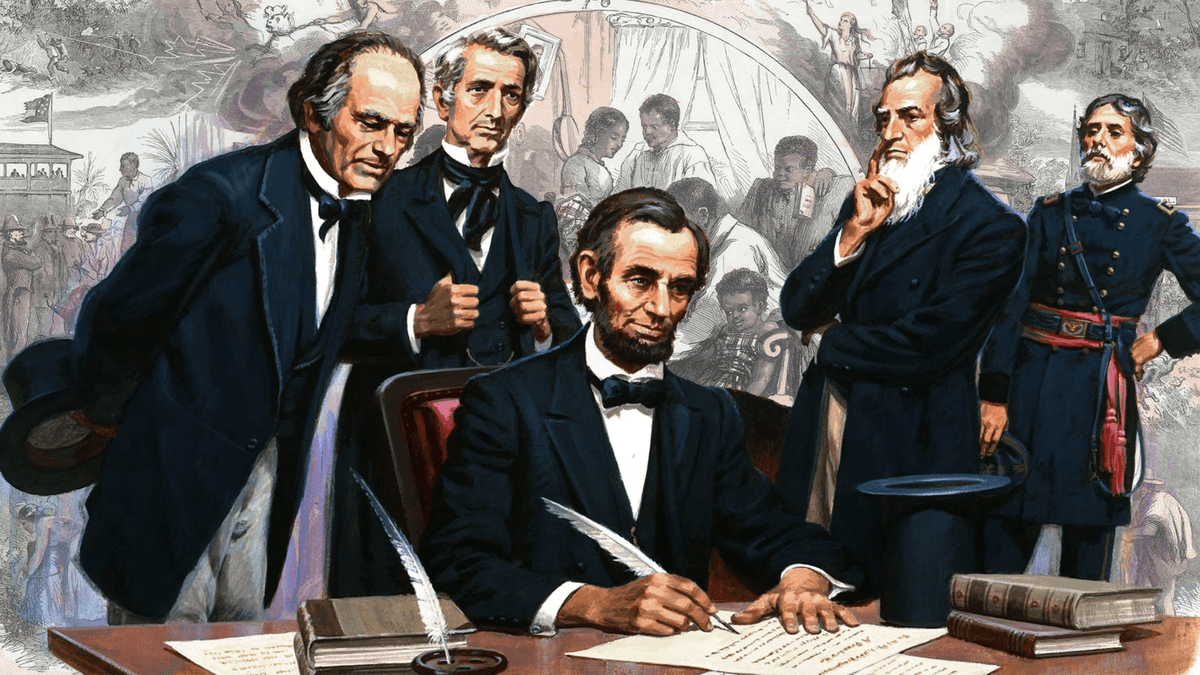
The Emancipation Proclamation & The 13th Amendment
Freedom on paper is one thing; freedom in practice is another. The Emancipation Proclamation and the 13th Amendment were giant leaps toward liberty—yet the road ahead for formerly enslaved people was long and uneven.
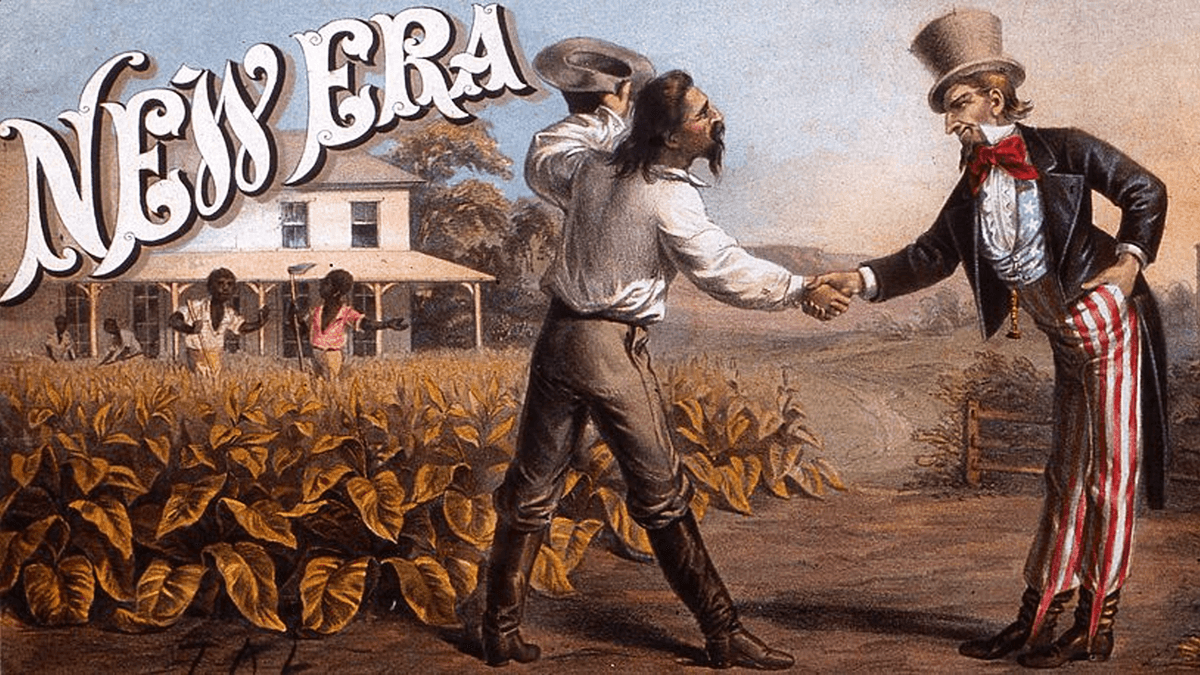
Reconstruction: Rebuilding a Nation and Redefining Freedom
After the Civil War, the United States faced the enormous task of reintegrating the South, securing rights for freedpeople, and redefining citizenship and equality. Reconstruction (1865–1877) was a bold experiment in democracy—filled with groundbreaking laws, historic firsts, and fierce backlash.
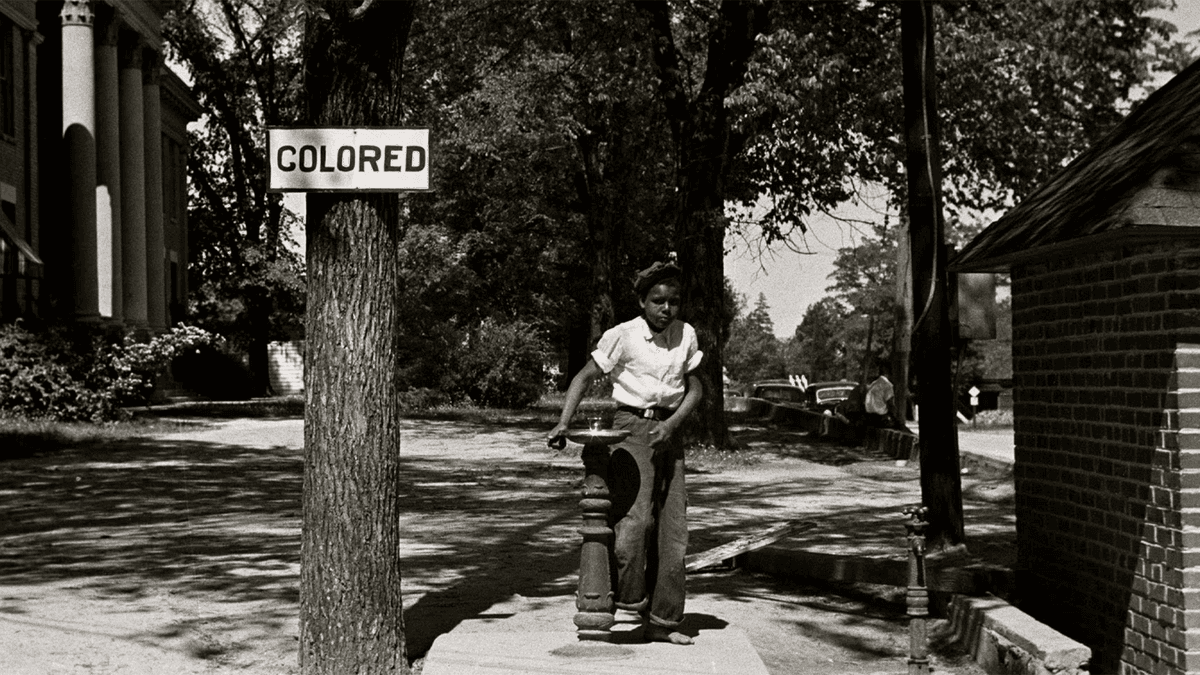
Jim Crow and Plessy v. Ferguson
After Reconstruction, the South built a legal system to enforce racial segregation and strip African Americans of political power. The Supreme Court’s Plessy v. Ferguson decision in 1896 made 'separate but equal' the law of the land—cementing injustice for decades.
Further Reading
Stay curious!