

The U.S. Jumps Into World War I
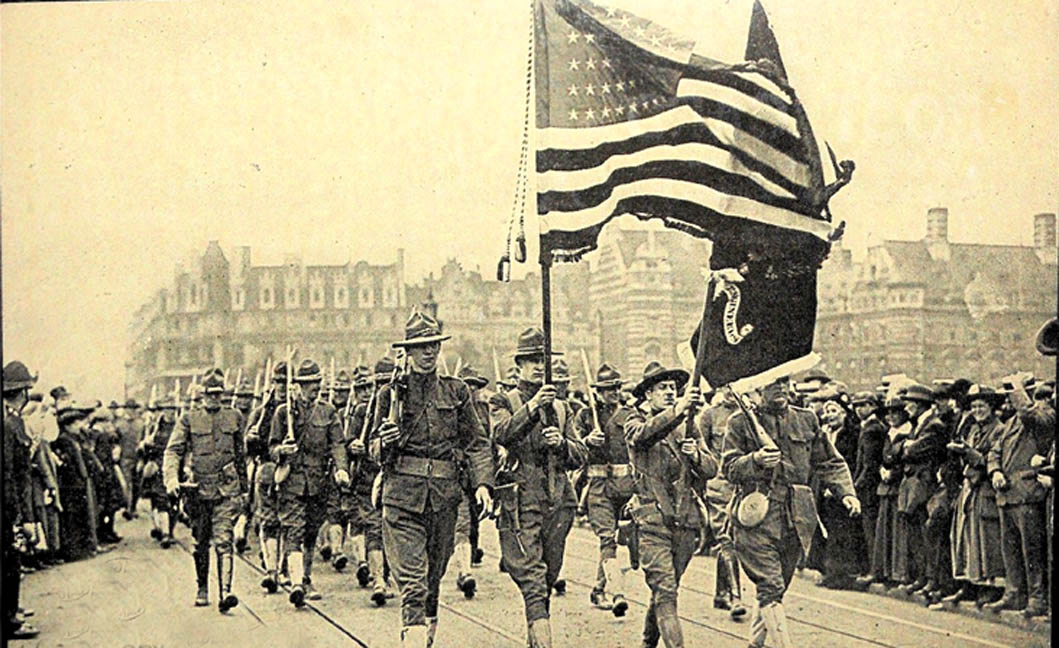
President Woodrow Wilson had campaigned on staying neutral, but German U‑boats, the Zimmermann Telegram, and mounting public outrage pushed Congress to act. With one dramatic vote, the U.S. transformed from bystander to power player on the world stage.
What Happened?
For nearly three years, most Americans watched World War I from afar. Wilson’s 1916 slogan—“He kept us out of war”—captured the nation’s mood. But German unrestricted submarine warfare kept sinking U.S. ships, and the secret Zimmermann Telegram revealed a German plot to enlist Mexico against America.
By early 1917, patience snapped. On April 2, Wilson addressed Congress, calling the conflict a fight to make the world 'safe for democracy.' The Senate agreed two days later. The House followed on April 6, with Montana’s Jeannette Rankin—Congress’s first woman member—among the 50 'no' votes.
Within weeks, the U.S. ramped up: passing a massive arms bill, reviving the draft, and shipping the first troops—nicknamed 'Doughboys'—to France that June. Fresh American manpower and resources helped break a brutal stalemate on the Western Front.
When the armistice arrived on November 11, 1918, more than two million Americans had served overseas; about 50,000 never came home. The war reshaped U.S. foreign policy, sparked debates about civil liberties at home, and set the stage for an even more devastating global conflict two decades later.
Why It Matters
April 6, 1917, marks the moment the U.S. stepped onto the world‑power playing field—changing not only the course of WWI but also America’s role in global affairs. The decision reminds us how rapidly public opinion, technology (U‑boats, telegrams), and presidential leadership can steer a nation from isolation to intervention.
?
Why did unrestricted submarine warfare outrage Americans more than earlier European battles?
How might history be different if the Zimmermann Telegram had never been intercepted?
What arguments did Jeannette Rankin and other dissenters make against entering the war?
How did the Selective Service Act reshape ideas about citizenship and duty in the U.S.?
In what ways did America’s entry tip the balance on the Western Front?
Dig Deeper
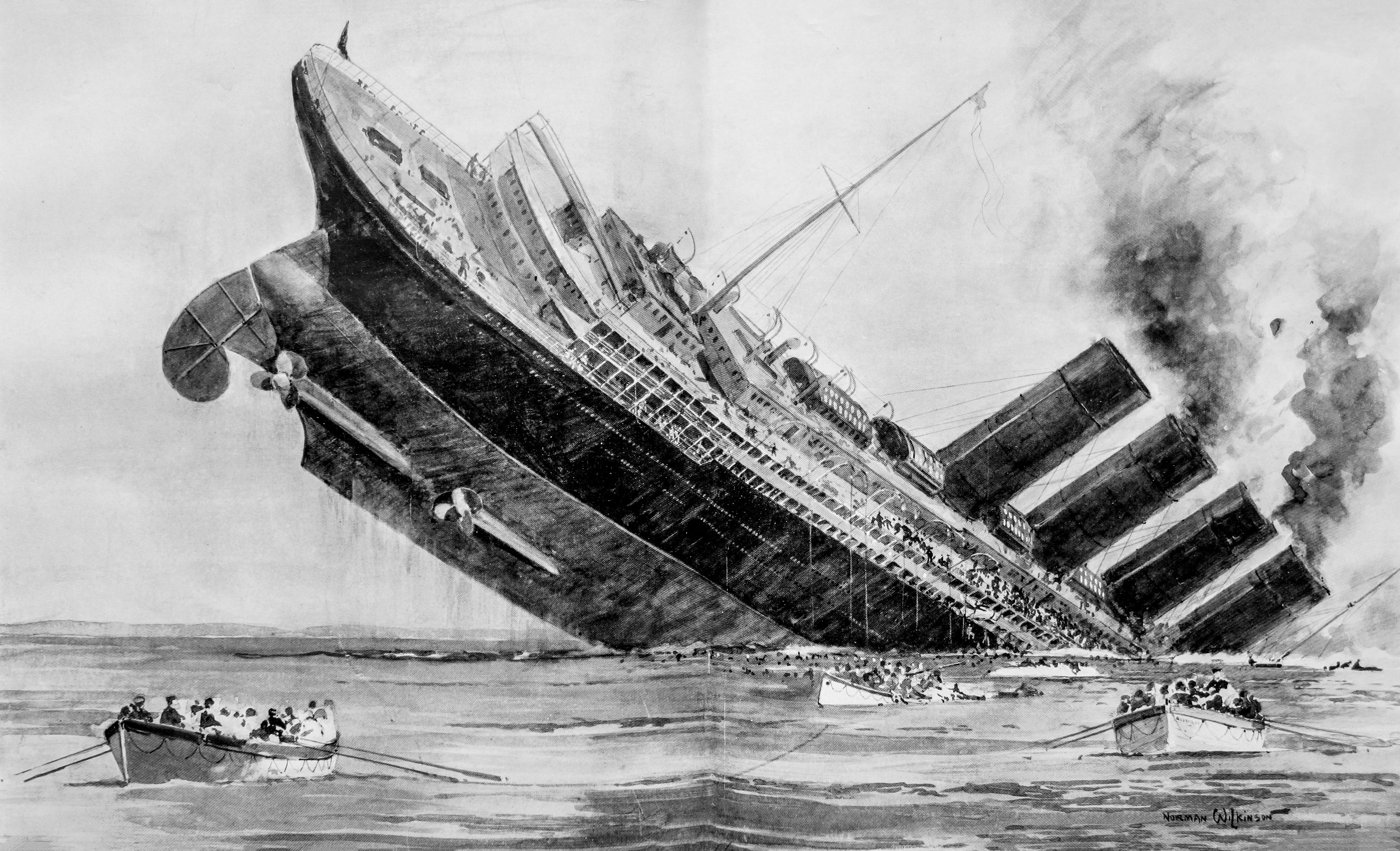
American involvement in World War I, which at the time was called the Great War. They didn't know there was going to be a second one, though they probably should have guessed, 'cause this one didn't wrap up very neatly. So, the United States stayed out of World War I at first, because Americans were in an isolationist mood in the early 20th century. That didn't last though, as the affronts piled up and drew the US into the war. Spoiler alert: the Lusitania was sunk two years before we joined the war, so that wasn't the sole cause for our jumping in.
Related
The Vietnam War: Conflict, Cold War, and Consequences
A complex war shaped by colonial history, Cold War fears, and powerful resistance—understand why the Vietnam War happened and why it still matters.
Reed Gold Mine: The First American Gold Rush
The first gold rush in U.S. history began not in California, but in North Carolina—thanks to a doorstop, a 12-year-old boy, and a lucky find in a creek.
The Gulf of Tonkin Incident: A Turning Point in the Vietnam War
A disputed naval encounter that led to full-scale U.S. involvement in Vietnam—and raised lasting questions about power, truth, and war.
Further Reading
Stay curious!