

The American Revolution Begins at Lexington and Concord
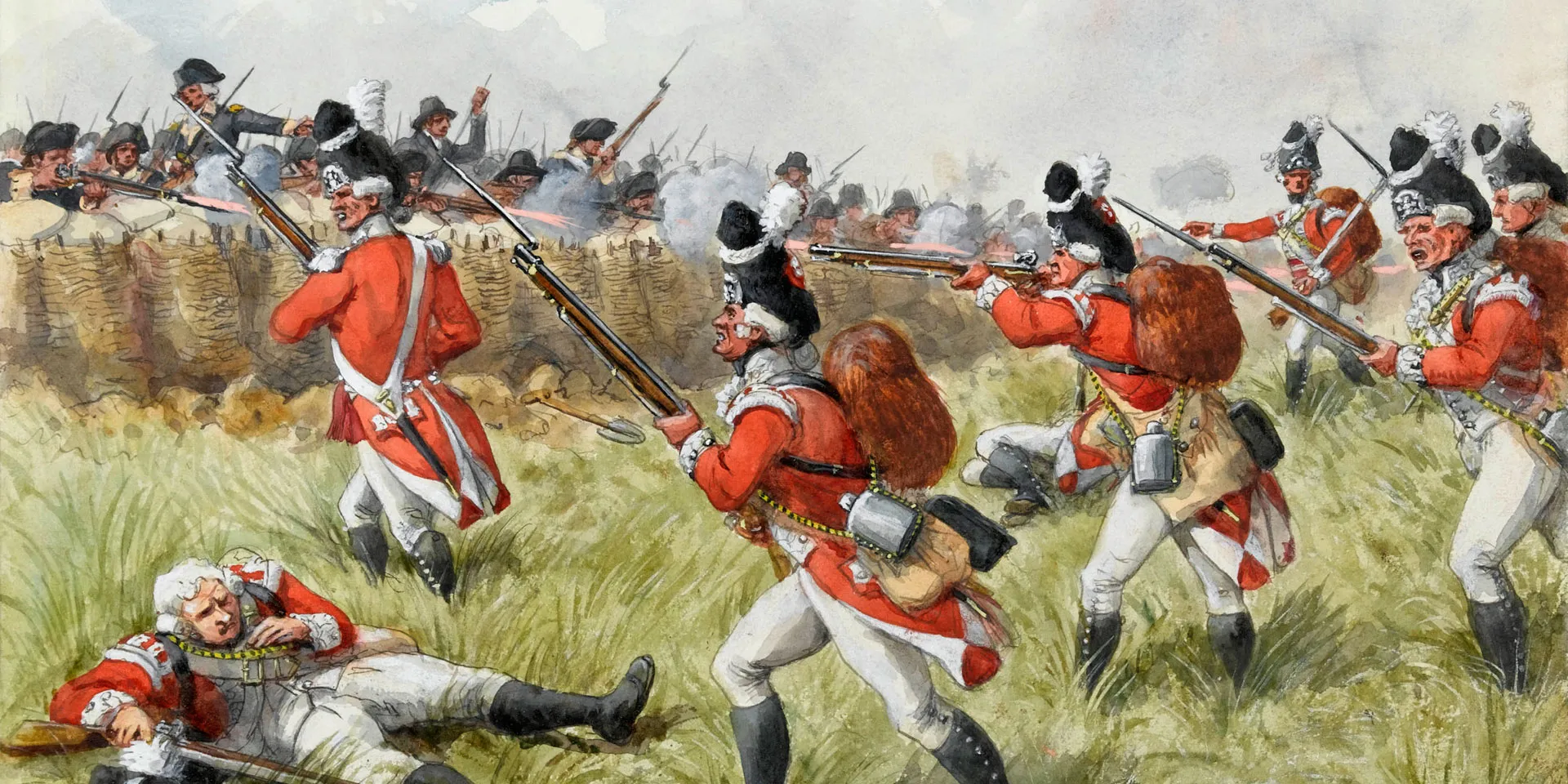
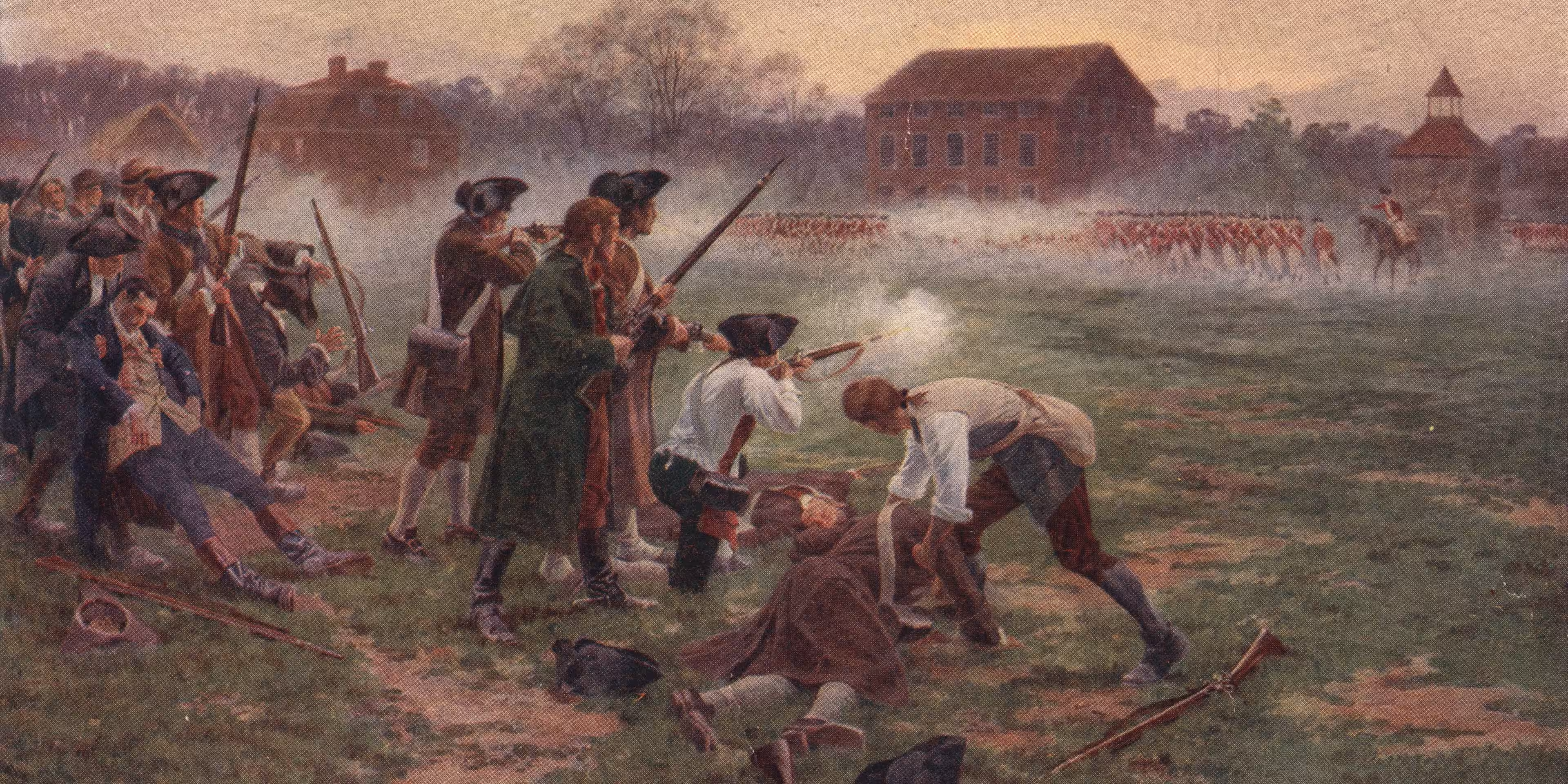
Colonial militiamen fire at British redcoats during the Battles of Lexington and Concord.
What Happened?
As tensions boiled over between Britain and its American colonies, British General Thomas Gage received orders to arrest Patriot leaders and seize weapons in Concord. The night before the attack, Patriots Paul Revere and William Dawes rode through the countryside warning of the British advance.
At dawn, 700 British troops arrived in Lexington to confront 77 armed militiamen under Captain John Parker. The Americans were told to disperse, and as they began to do so, a shot rang out—no one knows from where. In the confusion, British troops opened fire, killing eight Americans and wounding ten.
The redcoats then marched to Concord, where they destroyed what supplies they could find. But hundreds of militia had gathered and soon surrounded them. At North Bridge, American forces fired back, inflicting casualties and forcing the British into retreat.
As the redcoats marched the 16 miles back to Boston, they were met with relentless gunfire from Patriot militias hidden behind rocks, trees, and stone walls. By the end of the day, nearly 300 British soldiers were killed, wounded, or missing. American casualties totaled fewer than 100.
The events of April 19 didn’t just start a war—they sparked a revolution. The battles proved that colonists were willing to fight and die for self-governance. News of the skirmishes traveled fast, rallying support throughout the colonies and laying the foundation for the birth of a new nation.
Why It Matters
Lexington and Concord weren’t just military encounters—they were turning points in human history. They marked the moment everyday people chose to stand up to an empire and demand a voice. The revolution that followed gave birth to the idea that government should derive its power from the consent of the governed, not the decree of kings. It’s a reminder that even small towns and ordinary citizens can change the world when they refuse to back down in the face of injustice.
?
What were the political and economic reasons behind rising colonial resentment toward Britain before 1775?
Why do you think the Patriots were so quick to organize militias and prepare for armed resistance?
Who fired the first shot at Lexington—and does it even matter?
How did Paul Revere and other riders coordinate their warning system across the countryside?
Why did the events at Lexington and Concord inspire people across the colonies to join the cause for independence?
Dig Deeper
The Battles of Lexington and Concord were the first military engagements of the American revolutionary war.
Related
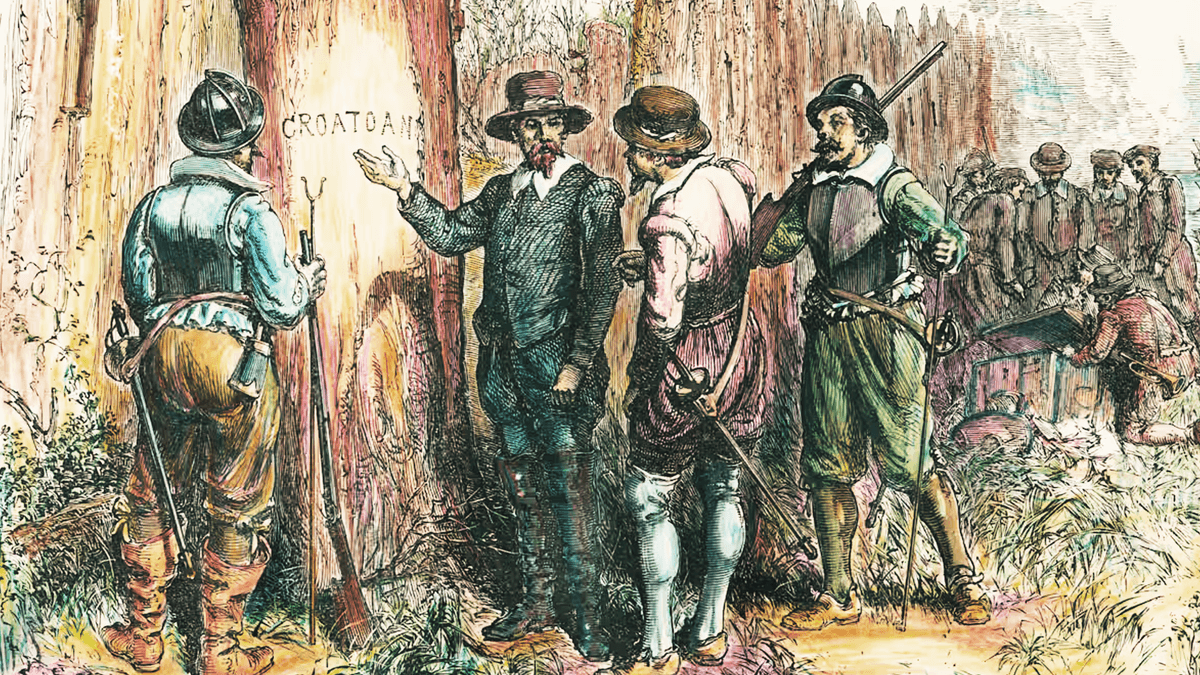
English Colonization: Roanoke, Jamestown, and Early Settlements
From vanished colonies and tobacco empires to pirates and indigenous resistance, the story of England’s first attempts at colonization in North America is anything but boring.
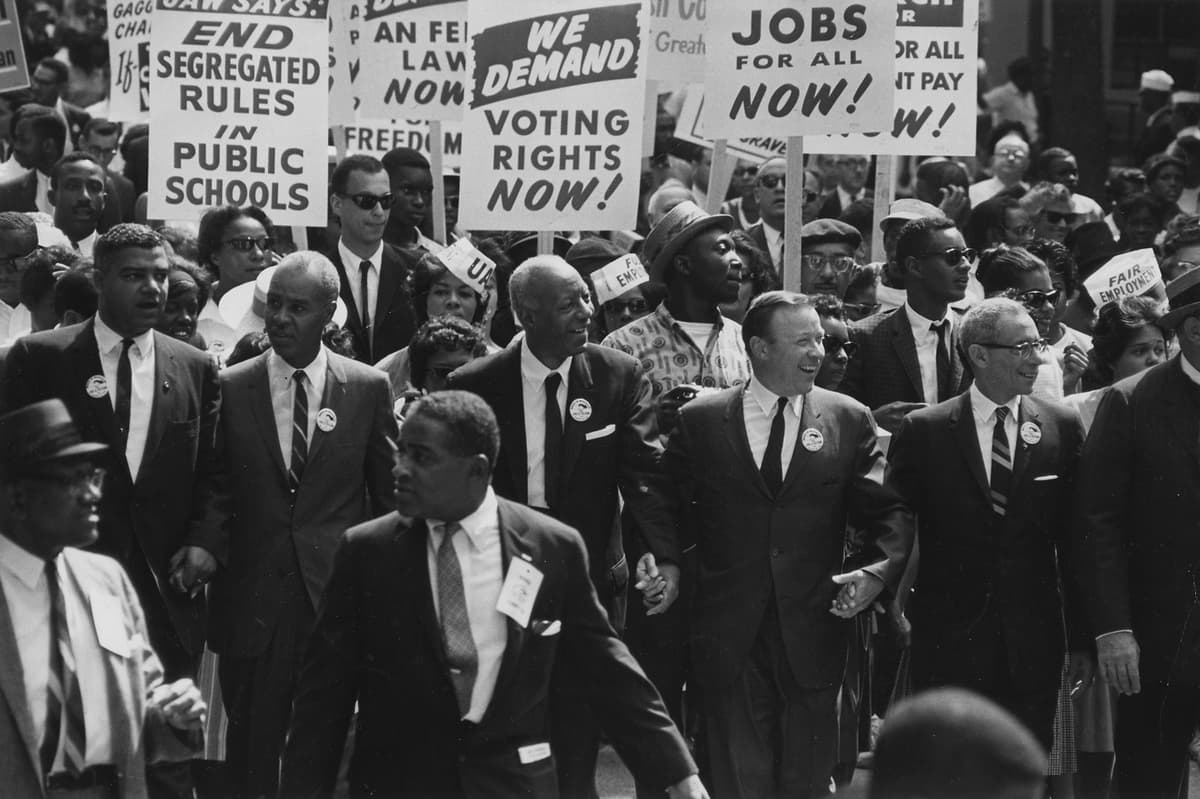
The Right to Protest & Civil Disobedience: How Activism Shapes Democracy
From labor strikes to mass demonstrations, activism has been the engine of social change. But what makes a movement successful? This deep dive explores the different roles in activism, the power of civil disobedience, and why protests are essential to democracy.
What Is History? Thinking Like a Historian
History is more than memorizing dates—it is the study of people, evidence, choices, and the forces that shape our world.
Further Reading
Stay curious!