

Joan of Arc Burned at the Stake
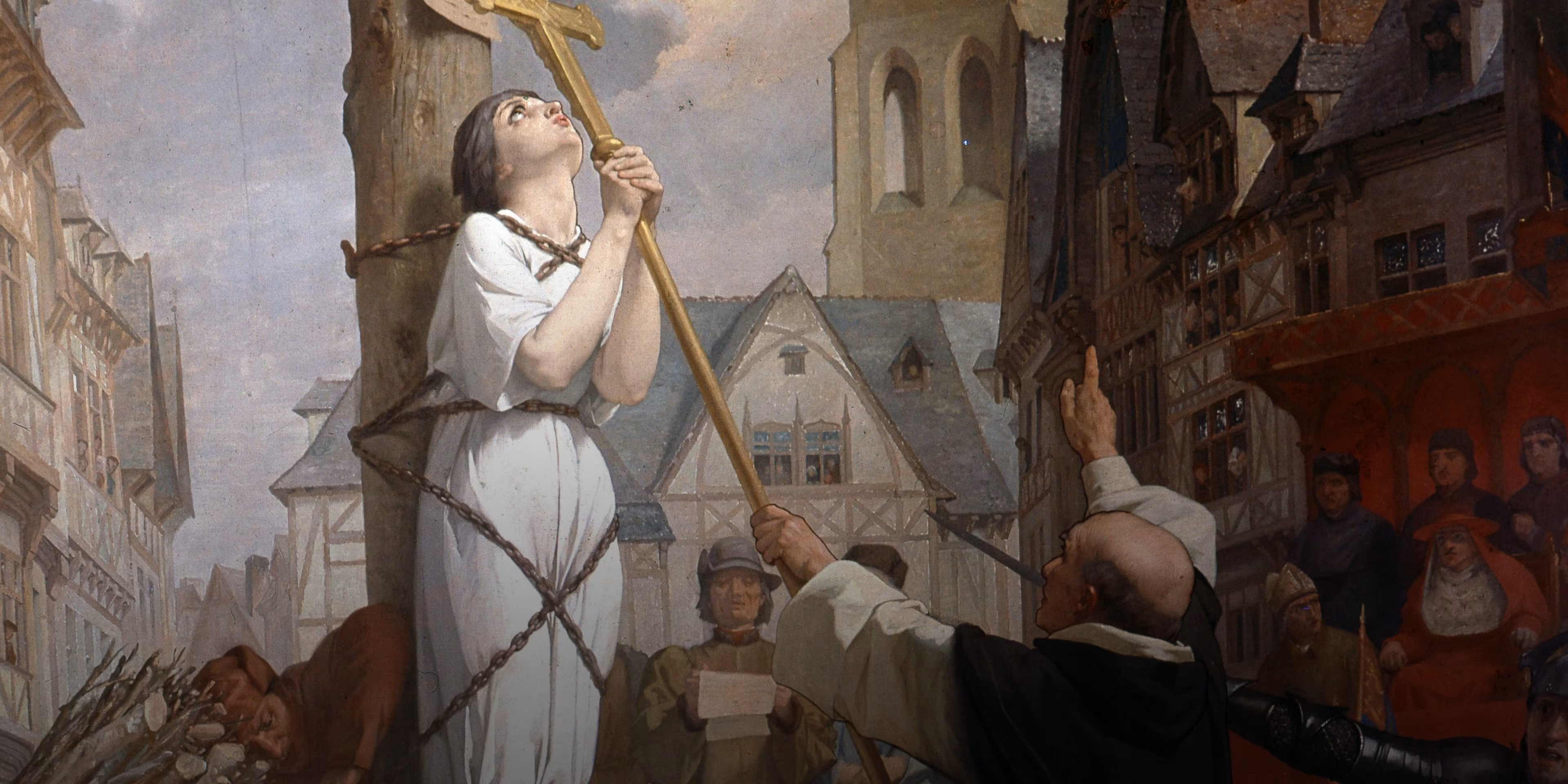
An artistic depiction of Joan of Arc at the stake.
What Happened?
Born in 1412 in a rural French village, Joan was a farmer’s daughter with no formal education. By the time she was a teen, she claimed to hear voices from saints like St. Michael and St. Catherine. Their message? Help Charles VII become the rightful king of France. In the middle of the Hundred Years’ War, that was a pretty bold assignment.
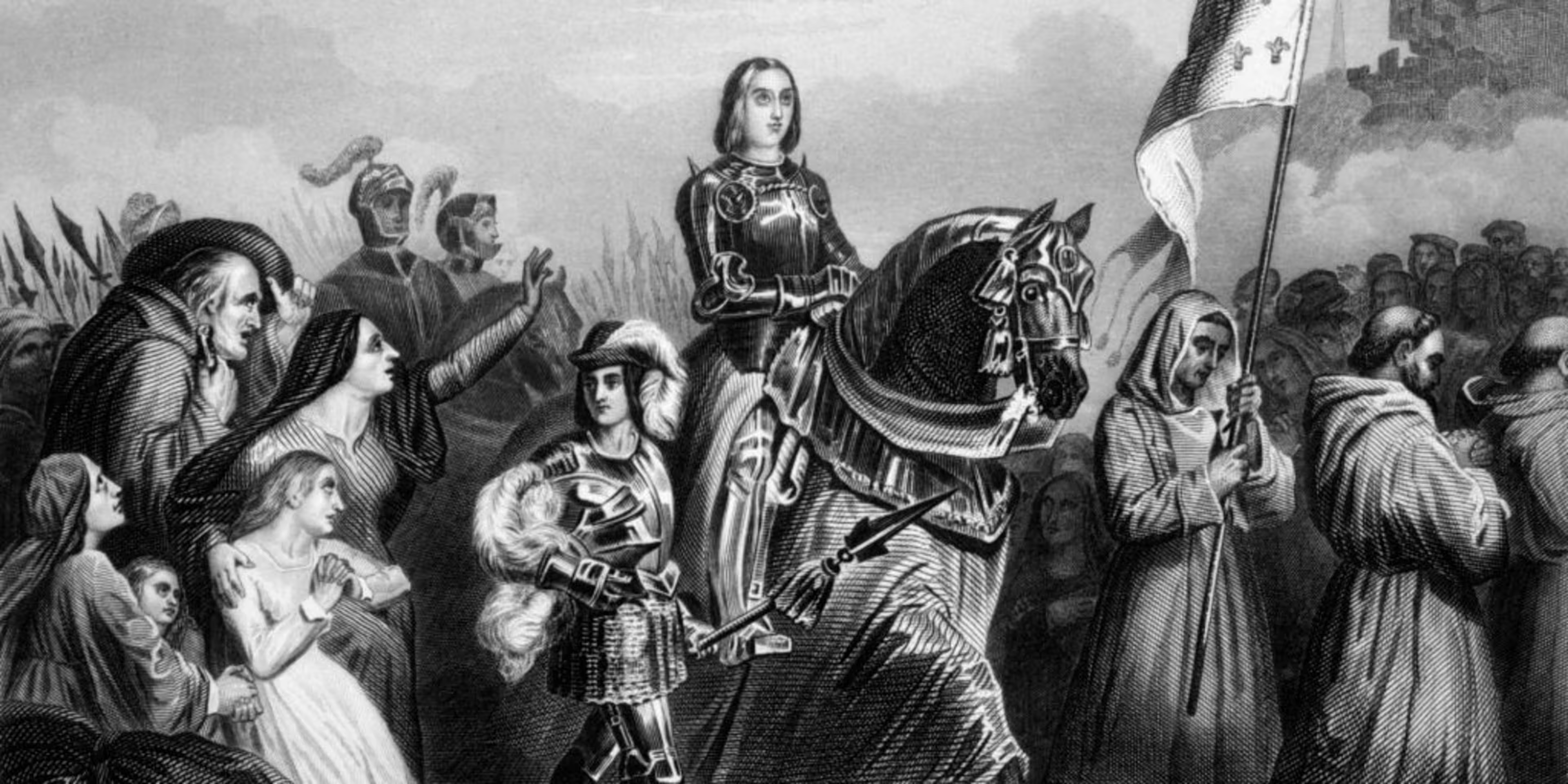
At just 17, Joan convinced Charles to let her lead troops into battle. Dressed in armor, sword in hand, she lifted the siege of Orléans, led a wave of French victories, and stood beside Charles when he was finally crowned king. She didn’t just fight—she inspired.
But power like that, especially from a teenage girl, scared people. In 1430, she was captured by French allies of the English, sold to her enemies, and put on trial. Not for killing in battle. Not for politics. For heresy. For wearing men's clothes. For claiming to speak to God directly.
The trial was brutal. Joan was interrogated again and again by church officials determined to break her. When she refused to deny her visions, they labeled her a heretic. She recanted—once—but later said her saints had returned. That sealed her fate.
On May 30, 1431, Joan was burned at the stake in the public square of Rouen. Her final request: that a priest hold a crucifix high so she could see it as the flames rose. Her ashes were tossed into the Seine so no one could build a shrine.
But her story didn’t end there. In 1450, a new trial ordered by the king she helped crowned her innocent. In 1920, the Catholic Church officially made her a saint. Today, Joan of Arc stands as a symbol of faith, courage, resistance—and the danger of power used to silence truth.
Why It Matters
Joan’s story is a reminder of what happens when someone challenges the system—and how history can turn victims into legends. She was killed for claiming to hear God’s voice and defying the norms of gender, class, and power. But centuries later, even the church that burned her called her a saint.
?
Why do you think Joan of Arc was such a threat to the English—and to the church authorities?
What role did gender play in the charges against Joan?
How can a trial be used as a political weapon?
Why did it take nearly 500 years for Joan to be made a saint?
What modern figures remind you of Joan of Arc—people who defied norms and paid a price for it?
Dig Deeper
ThMartyr, saint and military leader Joan of Arc, acting under divine guidance, led the French army to victory over the English during the Hundred Years' War.
Related
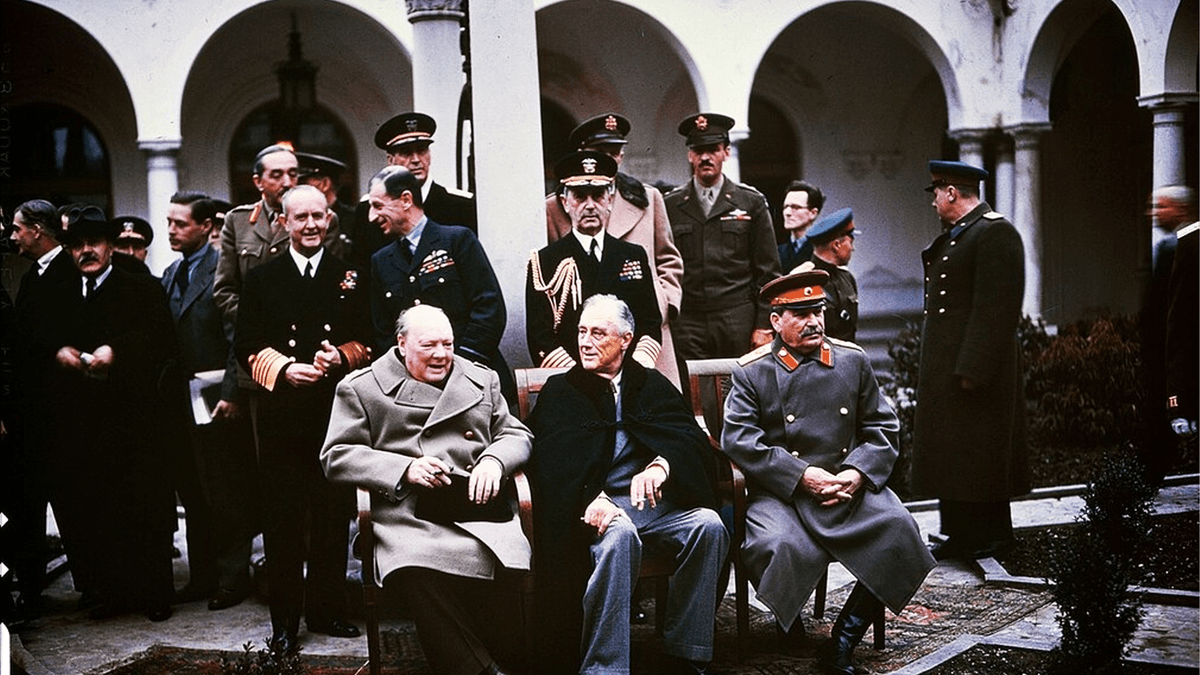
The Cold War & Fear at Home: Ideology, Power, and Public Anxiety
A global rivalry shaped by fear, ideology, and the constant tension between freedom and security.
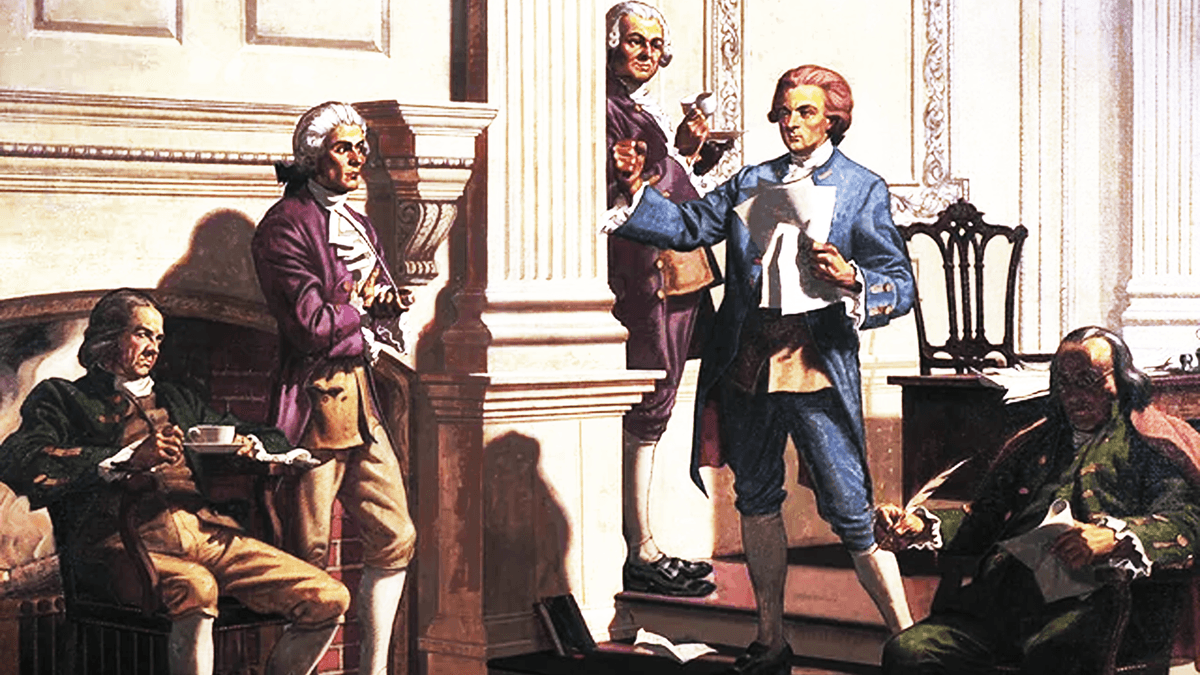
Halifax Resolves and the Road to Revolution
How North Carolina went from protest to the first official call for full independence from Britain.

The New Deal: Fighting Depression with Bold Ideas
Faced with economic collapse, President Franklin D. Roosevelt launched a revolutionary plan to rebuild America from the ground up. The New Deal wasn’t just policy—it was a bold experiment in hope, action, and government responsibility.
Further Reading
Stay curious!