

The Wilmington Coup of 1898
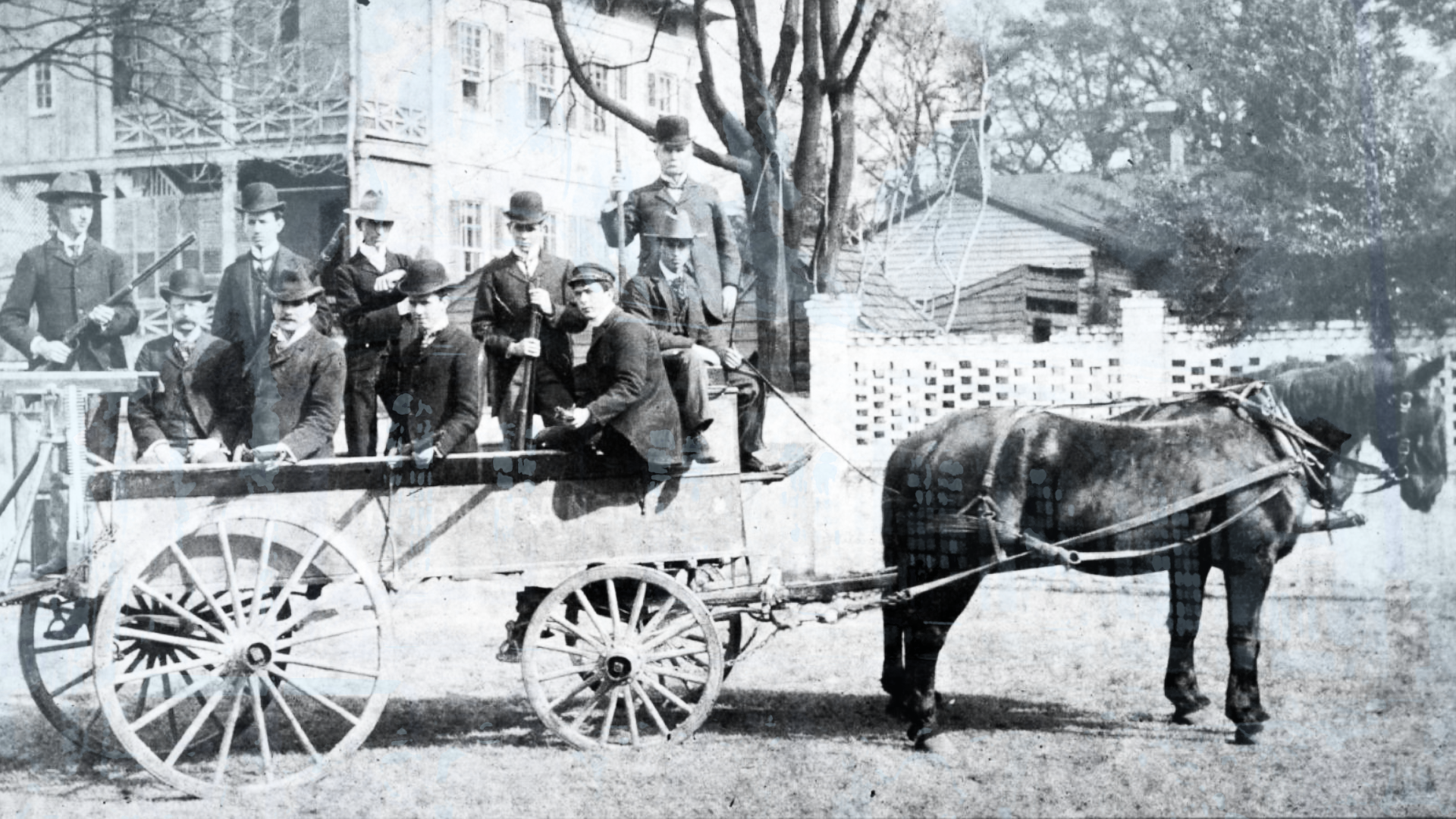
The Wilmington Coup of 1898 was the only successful violent overthrow of a legally elected government in U.S. history.
What Happened?
In the late 1800s, Wilmington, North Carolina, was a rare example of multiracial democracy in the South. Black citizens owned businesses, held public office, and worked alongside white Populists in a political alliance called the Fusion Party. Together, they created one of the most prosperous and politically balanced cities in the state.
White supremacist Democrats saw Wilmington’s success as a threat to their power. During the 1898 election season, they launched a 'White Supremacy Campaign', a coordinated effort that used propaganda, intimidation, and armed violence to end Black political influence. Newspapers spread racist lies, and armed groups called the Red Shirts patrolled the streets to terrorize voters.
After rigging the November 8 election, white supremacist leaders met to finish what they started. On November 10, former Confederate officer Alfred Waddell led a mob of over 500 armed men to the office of The Daily Record, the only Black-owned newspaper in the state. They burned it to the ground, claiming it printed 'insults' against white women, a lie meant to stir hatred.
As the fire burned, the mob swept through Wilmington’s Black neighborhoods, shooting into homes and attacking residents. At least 60 Black men were killed, though historians believe the true number was far higher. Thousands fled the city, hiding in the woods and swamps as gunfire echoed for miles.
Under threat of death, the city’s elected officials, many of them Black or Fusionist, were forced to resign. The mob installed Waddell as mayor in their place. This wasn't a riot, as history books once claimed. It was a planned coup d’état, the violent overthrow of a lawful government by force.
The consequences reached far beyond Wilmington. Within a few years, North Carolina’s legislature passed laws that made it nearly impossible for Black citizens to vote. Poll taxes, literacy tests, and 'grandfather clauses' stripped away the rights of tens of thousands. Black voter registration dropped from over 120,000 to just 6,000 by 1902.
For generations, the truth of 1898 was buried. Textbooks called it a 'race riot,' blaming the victims rather than the perpetrators. But modern historians, journalists, and descendants of survivors have worked to uncover the truth and restore the story to its rightful place in American history.
In 2006, a state commission formally acknowledged the event as a massacre and coup. The Wilmington story reminds us that democracy depends not only on elections, but on the courage to defend truth, justice, and equality when they are under attack.
The lessons of 1898 reach into the present. They challenge us to confront how racism can be disguised as law and order, and how silence allows injustice to grow. Understanding this history is essential to building a future where democracy truly includes everyone.
Why It Matters
The Wilmington Coup of 1898 shows how racism and fear can destroy democracy from within. What happened in Wilmington wasn't an accident, it was a deliberate plan to silence Black voices, erase progress, and rewrite history. By calling it a 'riot' for decades, society hid the truth and protected those in power. But learning what really happened reminds us that democracy depends on courage, honesty, and inclusion. The story of Wilmington challenges us to protect the right to vote, to tell the truth even when it’s uncomfortable, and to recognize how racial injustice shapes the systems we live in today. Remembering 1898 is more than history, it is a call to defend the principles of equality and justice every generation must fight to keep alive.
?
Why was Wilmington’s success as a multiracial city seen as a threat by white supremacists?
How did propaganda and fear play a role in justifying the violence of 1898?
Why is it important to call the Wilmington event a coup rather than a riot?
What changes did North Carolina’s government make after the coup, and how did they affect Black citizens?
How can uncovering and teaching the truth about Wilmington help prevent similar injustices today?
Dig Deeper
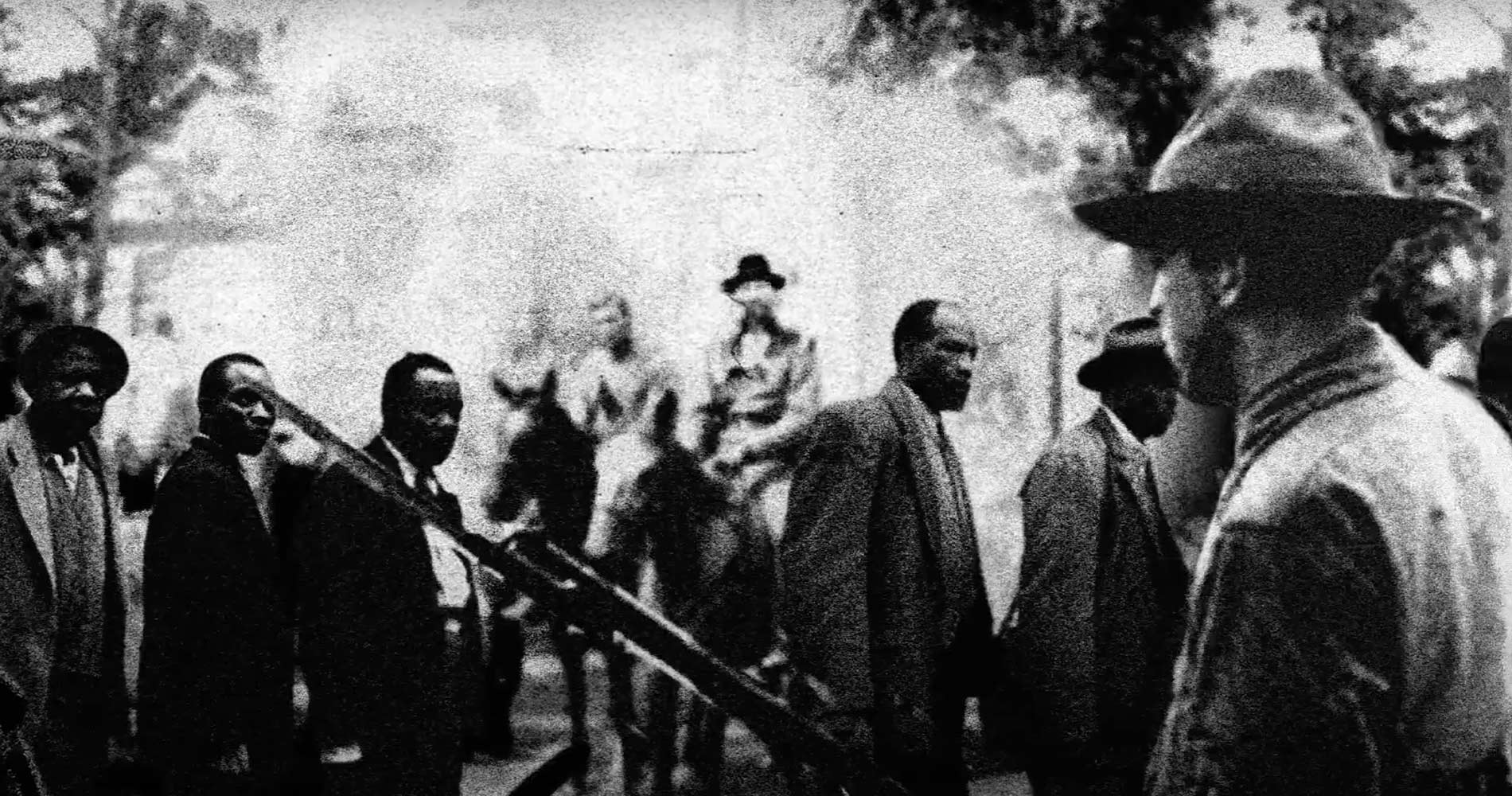
In November 1898, a white mob in Wilmington, North Carolina, violently overthrew a multiracial government. This video explores how the coup happened and why its effects still shape the South today.
Related
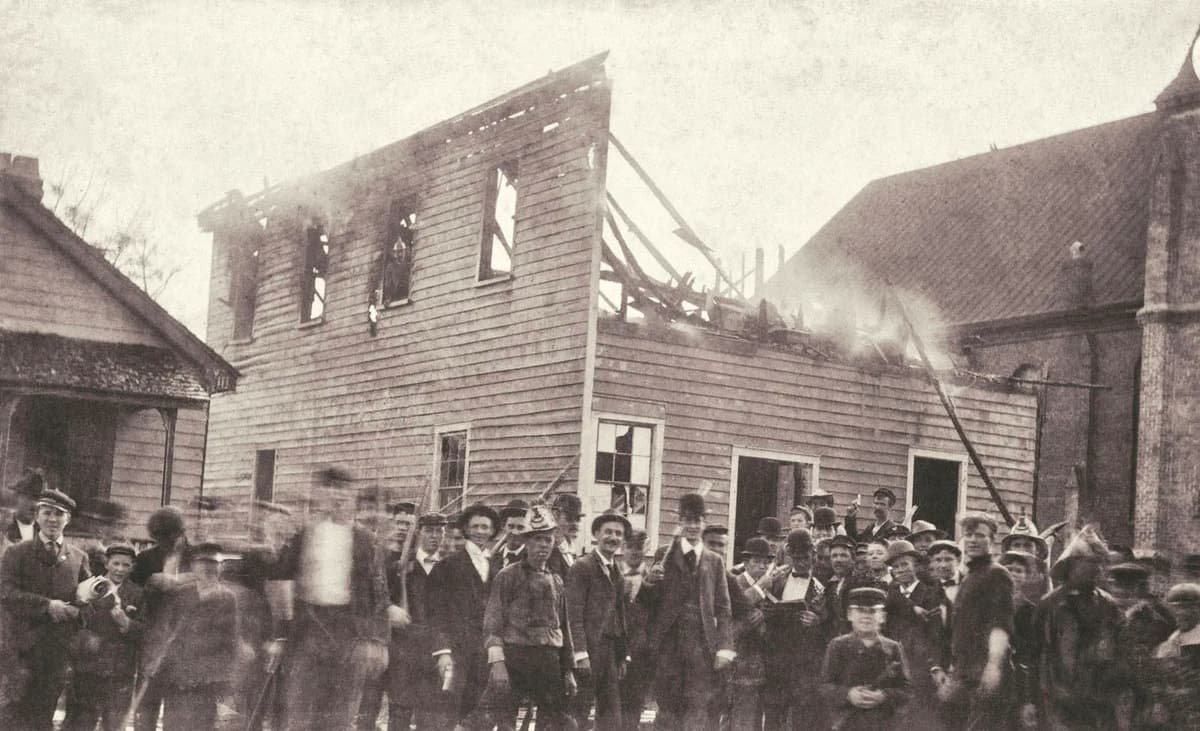
The Wilmington Coup: When Democracy Was Burned Down
In 1898, Wilmington, North Carolina had a thriving Black middle class, a multiracial government — and then a white mob overthrew it. Armed. Organized. Violent. This was no riot. It was a coup.
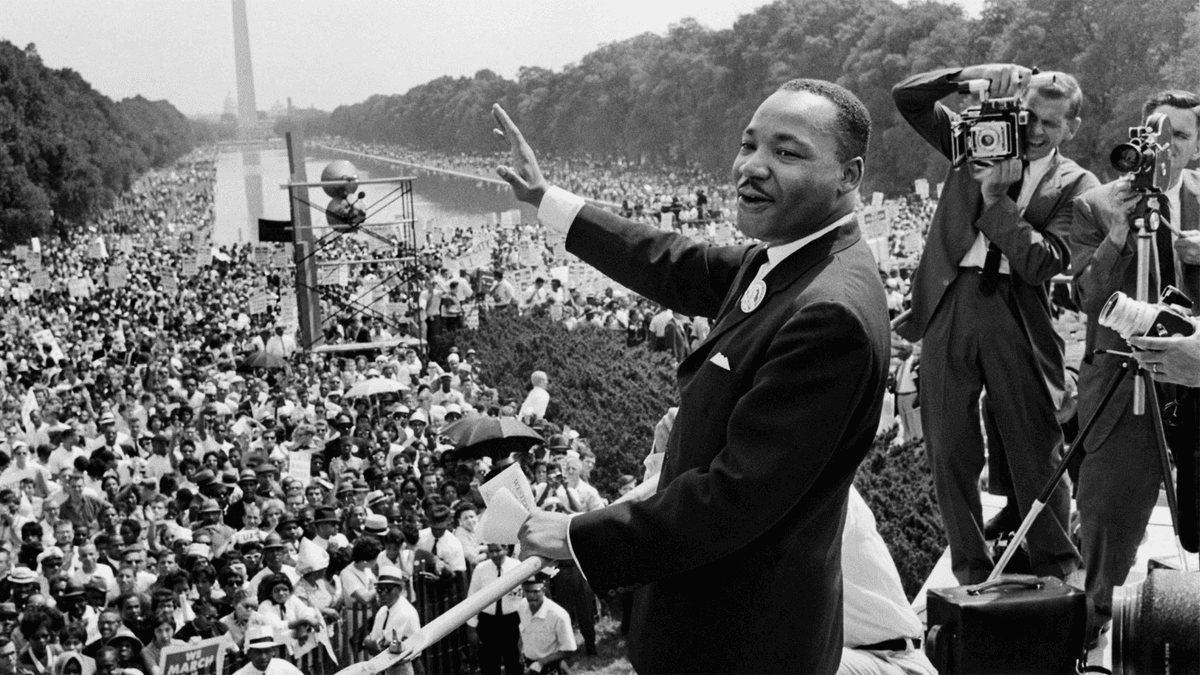
The Civil Rights Movement: Struggle, Solidarity, and Social Change
From classrooms to courthouses, buses to bridges, the Civil Rights Movement reshaped America’s laws — and its conscience.
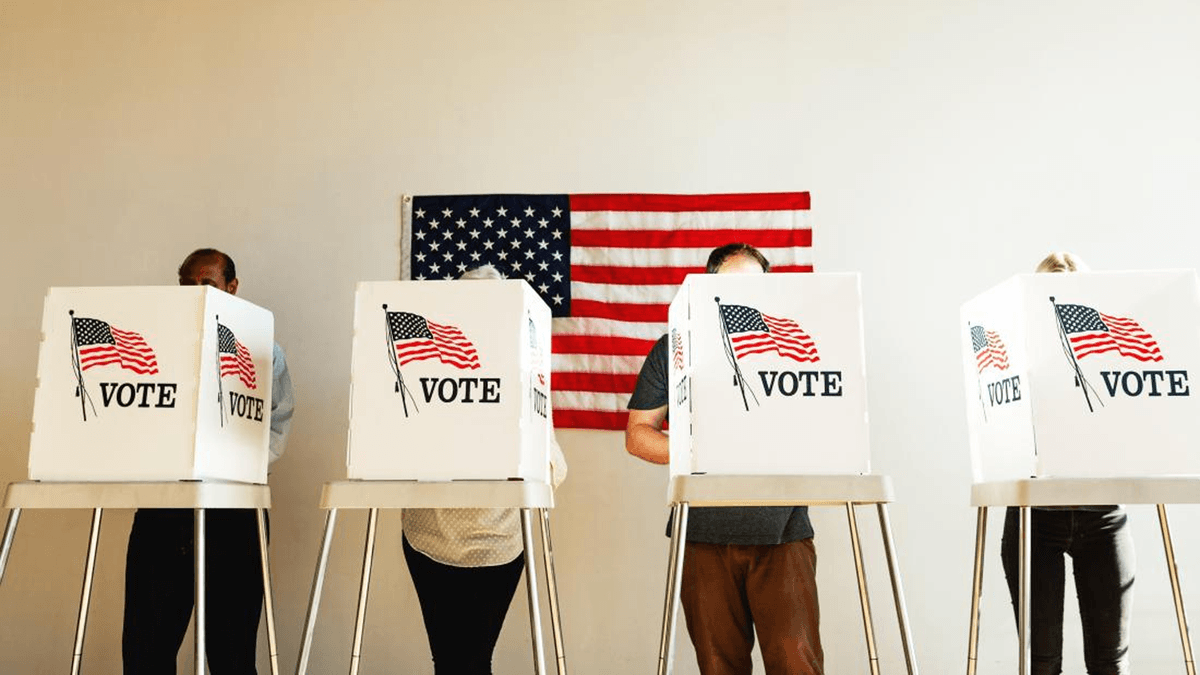
Voting & Participation: Why Your Voice Matters
Voting is one of the most powerful ways citizens shape their government, hold leaders accountable, and strengthen democracy.
Further Reading
Stay curious!