

Booker T. Washington
Biography
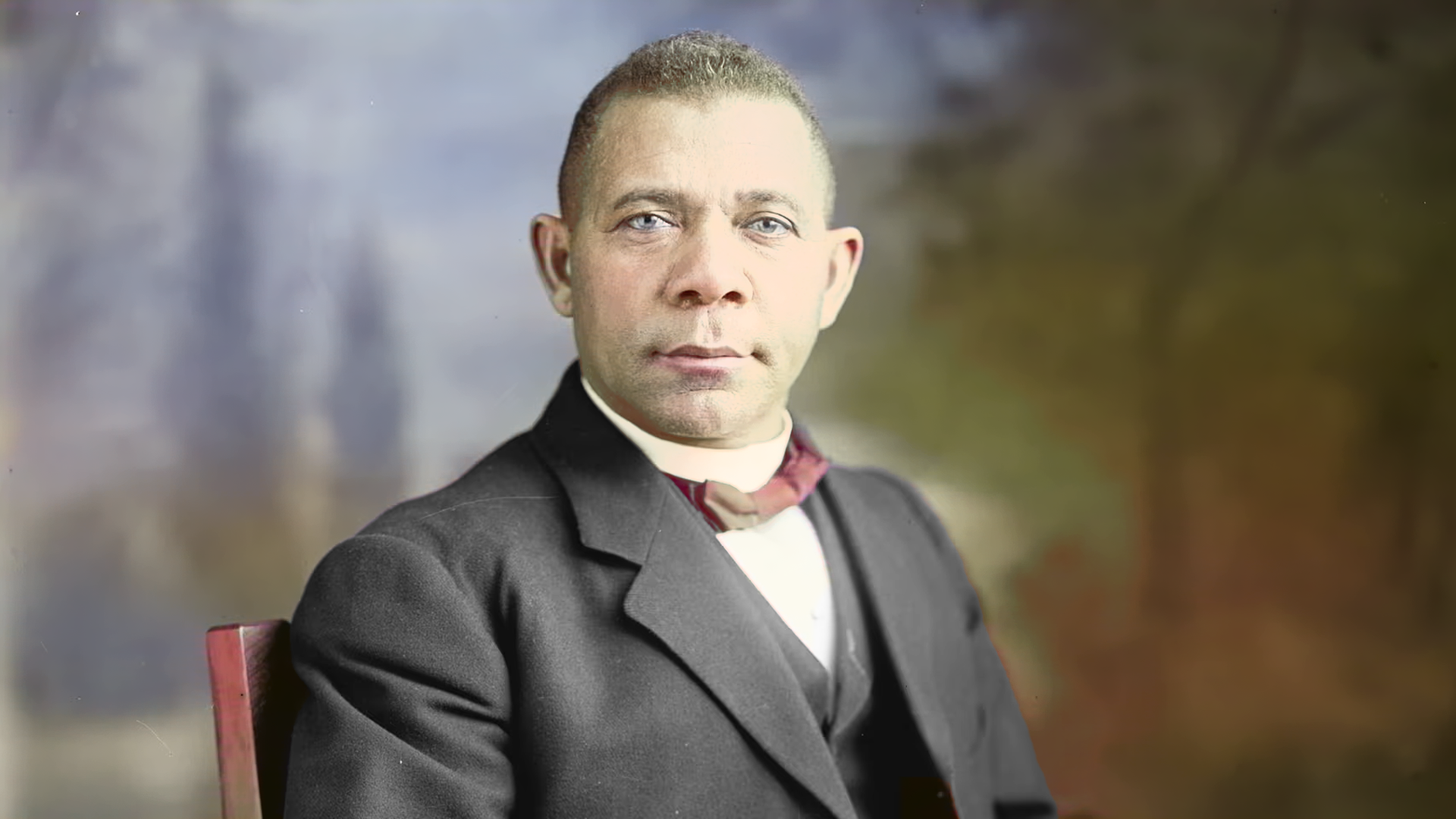
Born on April 5, 1856, Booker T. Washington began life enslaved in Franklin County, Virginia. He spent his earliest years in a small plantation hut, with few choices and little control over his future. When the Civil War ended, Booker and his family were freed—but freedom did not bring comfort or opportunity right away. What it did bring was a chance to learn. Washington’s life story became one of the most powerful examples of how education and determination could reshape a person’s path, even in the harsh world of Jim Crow America.
After emancipation, Booker’s family moved to Malden, West Virginia. Life there was still difficult. As a child, he worked long hours in salt furnaces and coal mines before he was allowed to attend school. Exhausted but determined, Booker taught himself to read and write whenever he could. He believed education was the key to independence—and he was willing to sacrifice to get it.
At sixteen, Booker heard about the Hampton Institute, a school created to educate formerly enslaved people. With almost no money, he walked nearly 500 miles to reach it. His discipline, cleanliness, and work ethic impressed his teachers. He became an outstanding student and later returned to Hampton as a teacher, already shaping the educator he would become.
In 1881, at just twenty-five years old, Washington was chosen to lead a new school in Alabama: Tuskegee Normal and Industrial Institute. Starting with almost nothing, he helped build the campus brick by brick—often with student labor. At Tuskegee, students learned farming, carpentry, printing, and trades alongside reading, writing, and math. Washington believed education should prepare people for real life and economic independence.
Under his leadership, Tuskegee grew into one of the most important Black educational institutions in the country. He hired talented teachers, including George Washington Carver, whose work improved farming techniques and helped poor Southern farmers survive. Thousands of students left Tuskegee with skills they could use to support themselves and their communities.
In 1895, Washington delivered a famous speech in Atlanta that shaped his national reputation. He argued that African Americans should focus first on job skills, education, and economic independence—even if that meant accepting segregation for the time being. He believed progress would come gradually through self-reliance and respect earned through work. Many white leaders praised this message, and Washington became the most powerful Black leader of his era.
But not everyone agreed. W. E. B. Du Bois strongly criticized Washington, arguing that without political rights and legal equality, economic gains could be taken away at any time. Their disagreement became one of the most important debates in African American history: patience and compromise versus immediate demands for civil rights.
Washington advised presidents, including Theodore Roosevelt and William Howard Taft, and was the first African American invited to dine at the White House—an act that caused outrage among many white Americans. He also founded the National Negro Business League to support Black entrepreneurs.
For many years, Washington was seen as too willing to accept segregation. Later historians discovered a more complicated truth: behind the scenes, he quietly funded court cases against segregation, supported Black newspapers, and worked to reduce racial violence. Publicly cautious, privately strategic, Washington used his influence in ways that were not always visible.
Booker T. Washington died in 1915 at the age of fifty-nine. By then, Tuskegee had educated thousands and inspired generations to believe that learning could change lives. His approach to racial progress is still debated today, but his impact is undeniable. Washington showed that education and hard work could open doors—even in a society determined to keep them closed.
His life reminds us that history is rarely simple. Progress can take many paths, and leaders often make difficult choices in dangerous times. Booker T. Washington’s story challenges us to think carefully about strategy, power, and the long road toward justice.
Booker T. Washington helped millions of Americans imagine a path forward after slavery. His belief in education and self-reliance gave people tools to survive and grow in a deeply unfair society. Although his ideas about segregation are debated today, his work reminds us that progress often comes through difficult choices and imperfect strategies. Understanding Booker T. Washington helps us see how history is shaped by debate, courage, and the search for dignity in hard times.
?
Dig Deeper
Learn how Booker T. Washington rose from slavery to become one of the most influential educators in American history.
Booker T. Washington and W.E.B. Dubois were essential to some of the most prominent ideas in a post-slavery society.
Discover more
Frederick Douglass
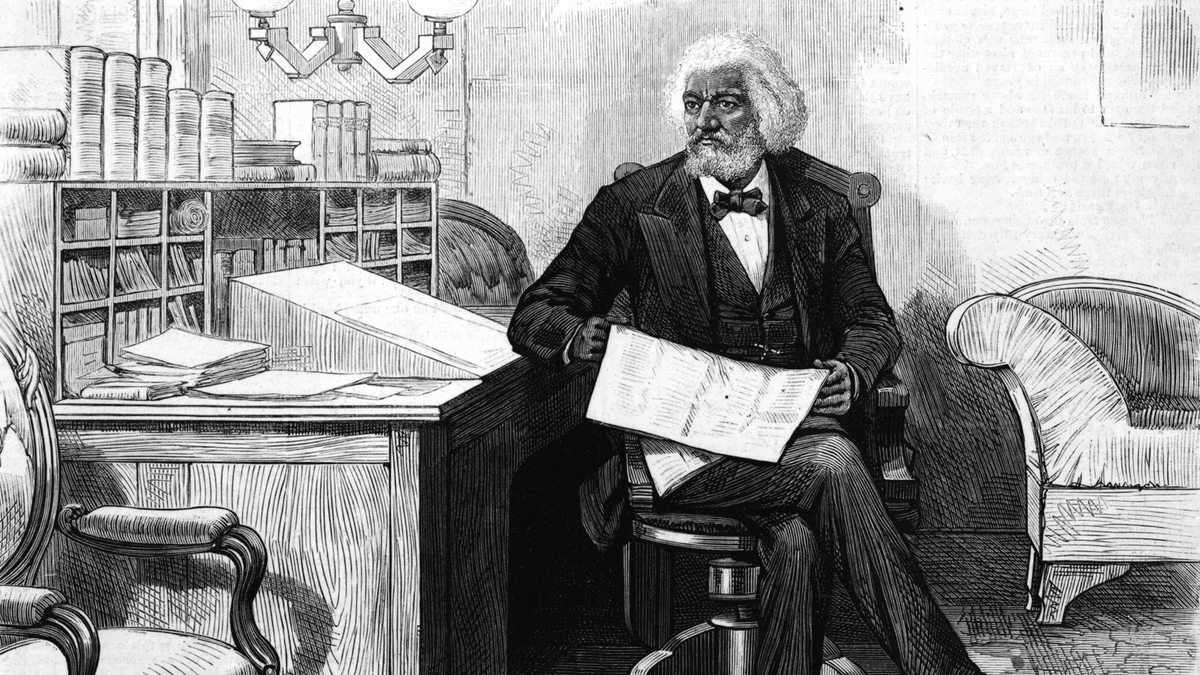
Frederick Douglass was born into slavery and became one of the most powerful voices for freedom, equality, and civil rights in American history.
Abraham Lincoln
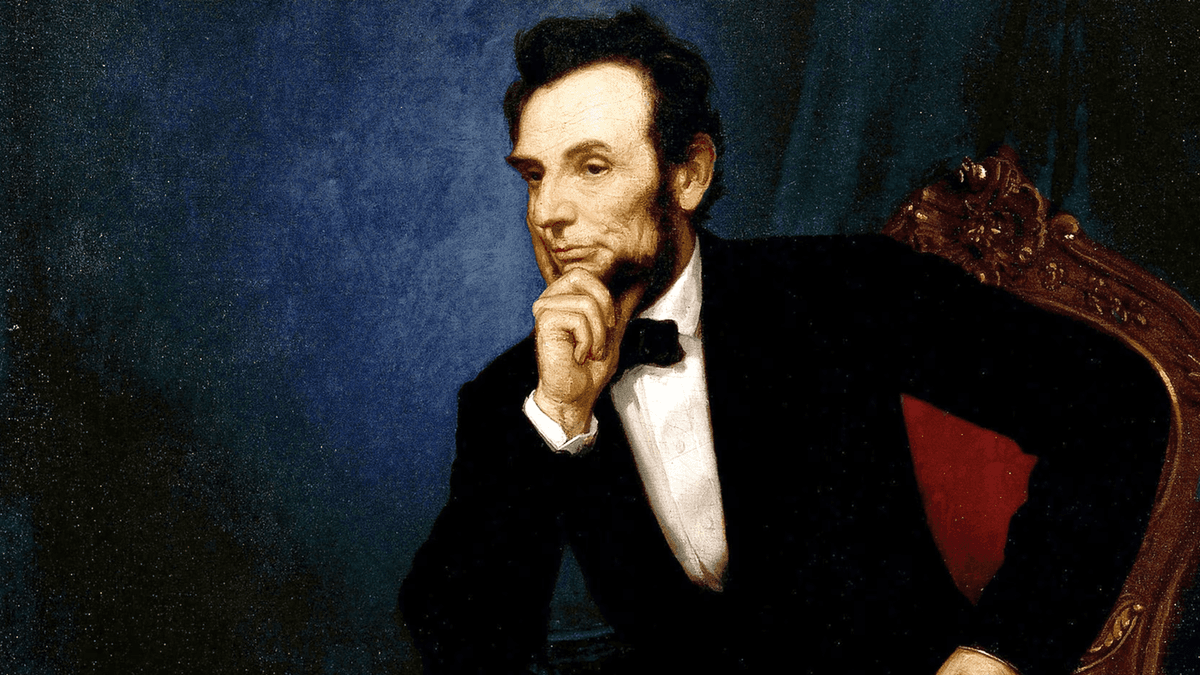
Born in a Kentucky log cabin and shaped by hardship, Abraham Lincoln rose to lead the nation through its greatest moral and constitutional crisis—the Civil War.
Ching Shih
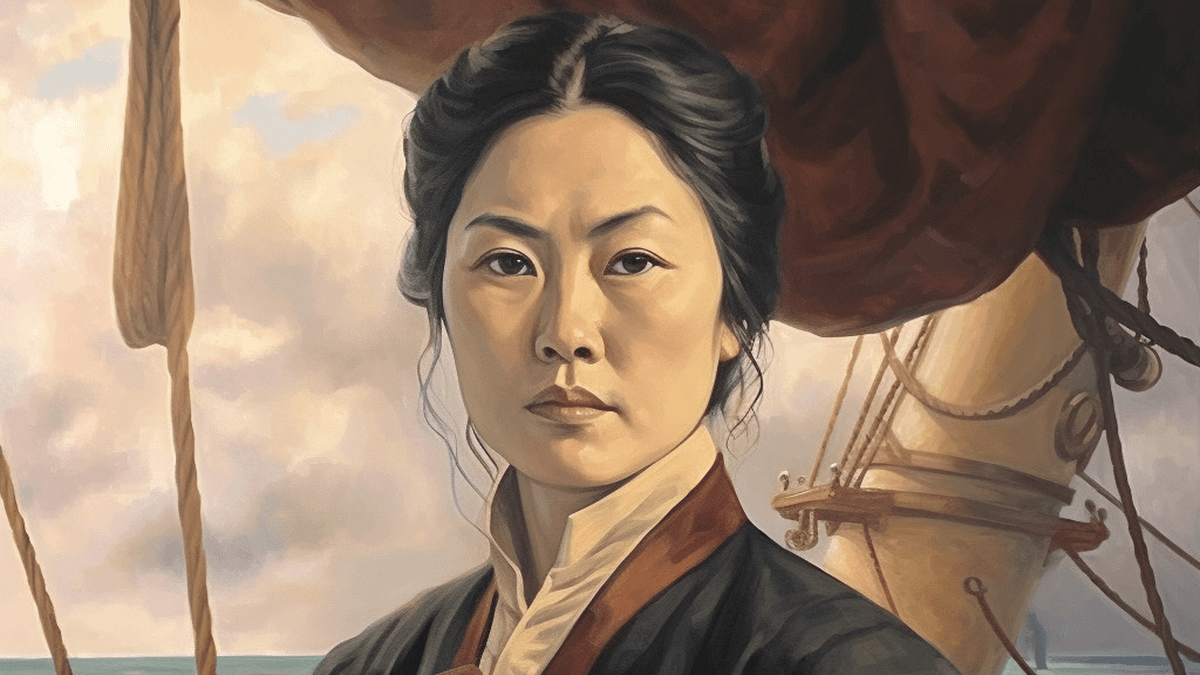
Ching Shih led the powerful Red Flag Fleet in the early 1800s, commanding over 70,000 pirates, defying global superpowers, and retiring rich, respected, and undefeated.
Further Reading

Stay curious!