

Emily Dickinson
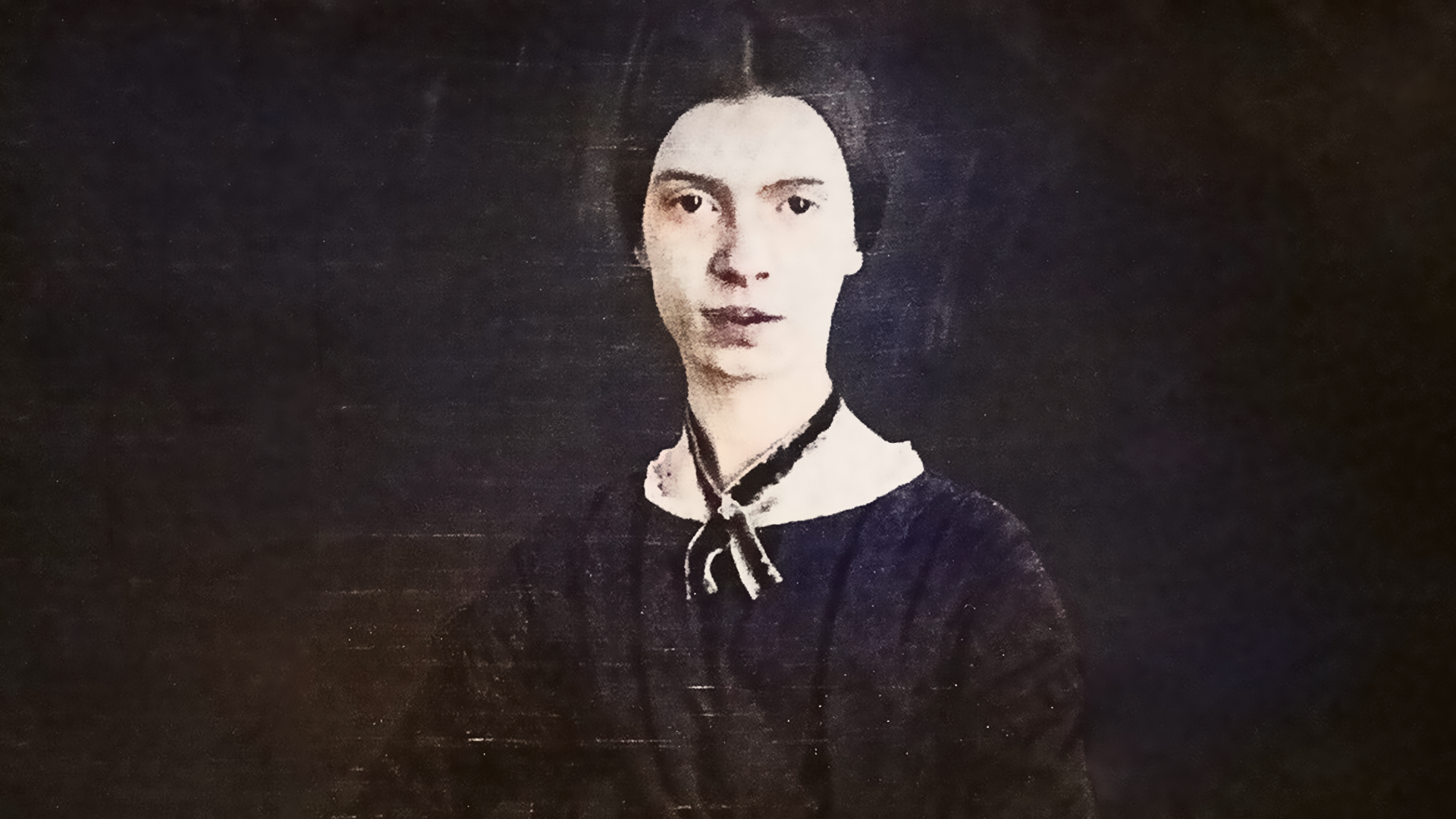
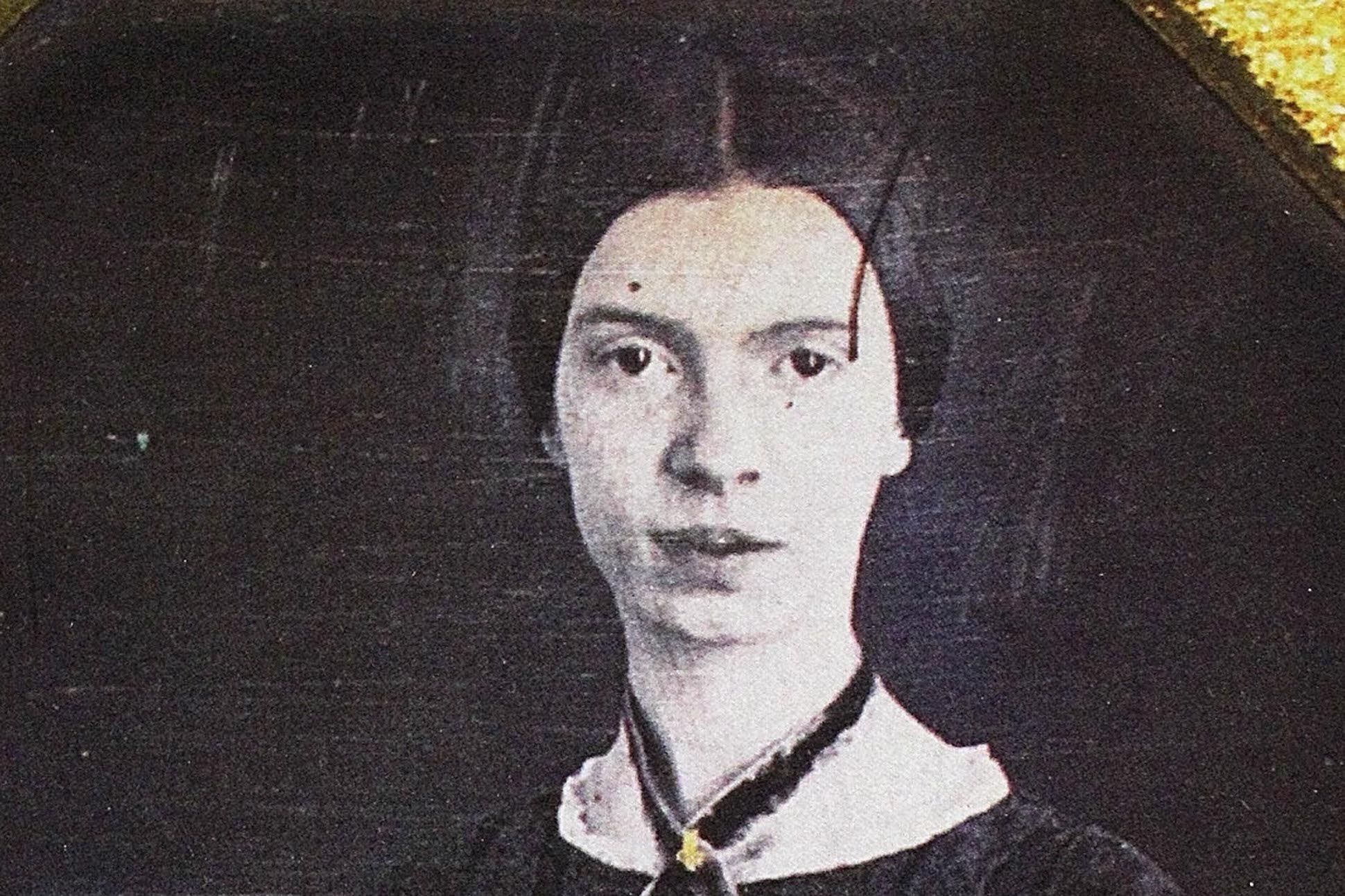
Portrait of Emily Dickinson, American poet known for her unique writing style
Biography
Emily Dickinson is one of the most important poets in American history. Born on December 10, 1830, in Amherst, Massachusetts, Emily Dickinson lived much of her life close to home, but her thoughts traveled far beyond. She wrote poetry that explored big questions about life, death, nature, and the human spirit. Even though she did not become famous during her lifetime, her words would later change the way people understand poetry.
Emily grew up in a well-educated and respected family. Her father, Edward Dickinson, was a lawyer and a leader in the community, and her family valued learning and hard work. She attended Amherst Academy, where she studied subjects like science, literature, and nature. These studies helped shape her writing. She became especially interested in plants and the natural world, often using flowers, seasons, and the sky as symbols in her poems. While other students followed traditional ideas, Emily began to think differently. She questioned what she was taught and started to form her own unique voice.
For a short time, Emily attended Mount Holyoke Female Seminary, a school focused on religion and education. While many students there strongly followed religious beliefs, Emily chose her own path. She didn't feel the same way as others, and she was honest about it. This independence became an important part of who she was. Instead of following expectations, she focused on exploring truth through her own thoughts and writing.
After leaving school, Emily returned home, where she spent most of her life. Over time, she began to limit her social activities and focused more on writing. Some people called her a recluse, but in truth, she was deeply connected to the world through her thoughts, letters, and poems. She wrote nearly 1,800 poems, often on small pieces of paper, exploring ideas in a new and creative way. Her writing style was different from most poets of her time. She used short lines, unusual punctuation, and powerful imagery to express complex feelings. She believed that poetry should not just explain things, but make people feel and think in new ways.
In her poem “Hope” is the thing with feathers, she uses the image of a small bird to explain a powerful idea. She describes hope as something that “perches in the soul,” giving it life through the use of of zoomorphism—treating hope like a living creature. This bird doesn't just sit quietly; it “sings the tune without the words / And never stops – at all” suggesting that hope is constant and always present, even when we cannot explain it. Dickinson deepens this idea by placing the bird in a storm, symbolizing life’s hardest moments. In the final lines, Dickinson makes her message clear: hope asks nothing in return—“Yet – never – in Extremity / It asked a crumb – of me.” Through this simple but vivid image, she shows that hope is steady, selfless, and quietly powerful, always there to support us, even in our most difficult times.
Emily Dickinson also explored the power of the human mind with striking clarity and confidence. In her poem “The Brain — is wider than the Sky” she uses bold comparisons to show just how vast human thought can be. She writes that the brain is “wider than the Sky” and “deeper than the sea,” suggesting that the mind is not limited by size, but expanded by imagination and understanding. Dickinson makes abstract ideas feel concrete and measurable. Rather than focusing on limits, this poem presents the mind as powerful, expansive, and central to how we experience reality. In doing so, Dickinson shows that poetry is not just about describing the world—it is a way of exploring how we think, imagine, and make meaning of everything around us.
During her lifetime, only a few of her poems were published, and often they were changed to fit traditional styles. After her death in 1886, her family discovered her poems and shared them with the world. In 1890, the first collection was published and quickly gained attention. Readers were struck by her originality, her honesty, and her unique voice. Over time, she became recognized as one of America’s greatest poets.
Emily Dickinson’s life teaches us that you do not need fame or attention to create something meaningful. She stayed true to her voice, even when it did not match the world around her. Her poetry reminds us to notice small details, ask big questions, and trust our own thoughts. As she once wrote, “Forever – is composed of nows”, a simple line that captures how every moment matters. Today, her words continue to inspire readers to think deeply, feel fully, and see the world in new ways.
Emily Dickinson changed how people understand poetry and creativity. She showed that writing does not have to follow strict rules to be meaningful. Her work explores deep ideas about life, death, identity, and nature in a way that is both simple and powerful. Even though she was not famous during her lifetime, her voice became one of the most important in American literature. Her story teaches us that success is not always immediate, and that staying true to your ideas can have a lasting impact. Dickinson’s poetry encourages us to think deeply, notice the world around us, and express ourselves in our own unique way.
?
Dig Deeper
Learn about the life and legacy of Emily Dickinson and how her poetry changed literature.
Who was Emily Dickinson? A new exhibition at the Morgan Library and Museum in New York takes a closer look at the iconic American cultural figure through her poems and the remnants of her life, and finds a less reclusive woman than we thought we knew. Jeffrey Brown reports.
Explore the creepy biographical details of Dickinson's life, but he also gets into why her poems have remained relevant over the decades.
Discover more
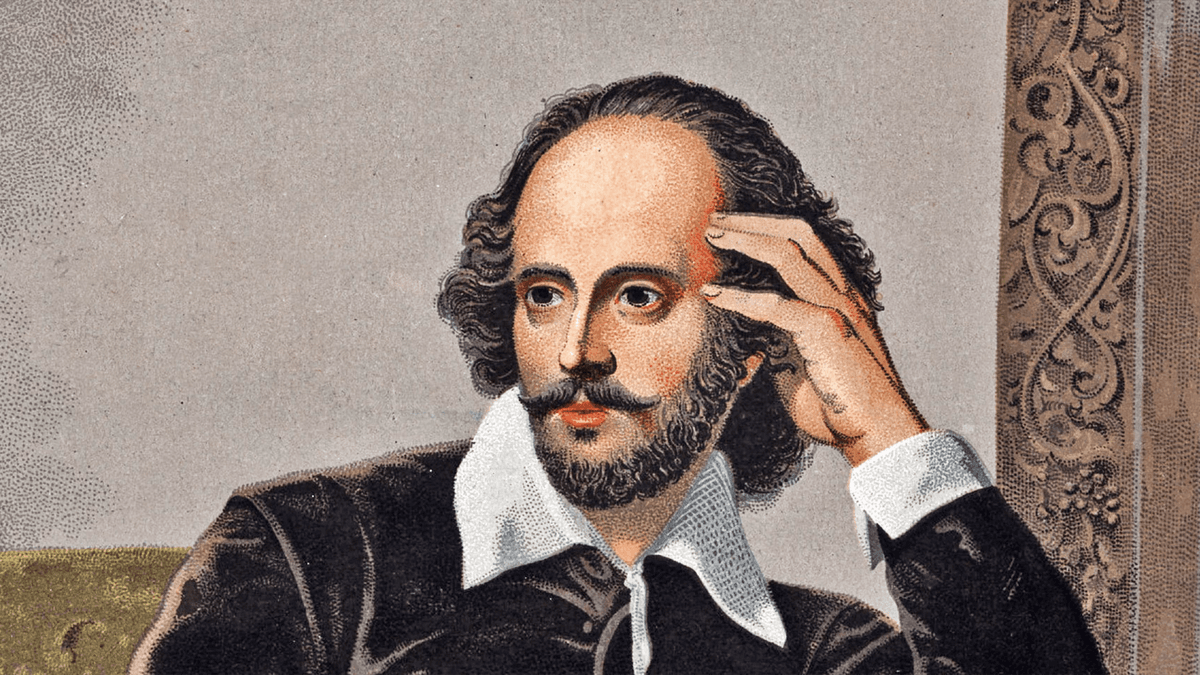
William Shakespeare
William Shakespeare was one of the greatest writers in history, known for plays and poems that still shape storytelling today.
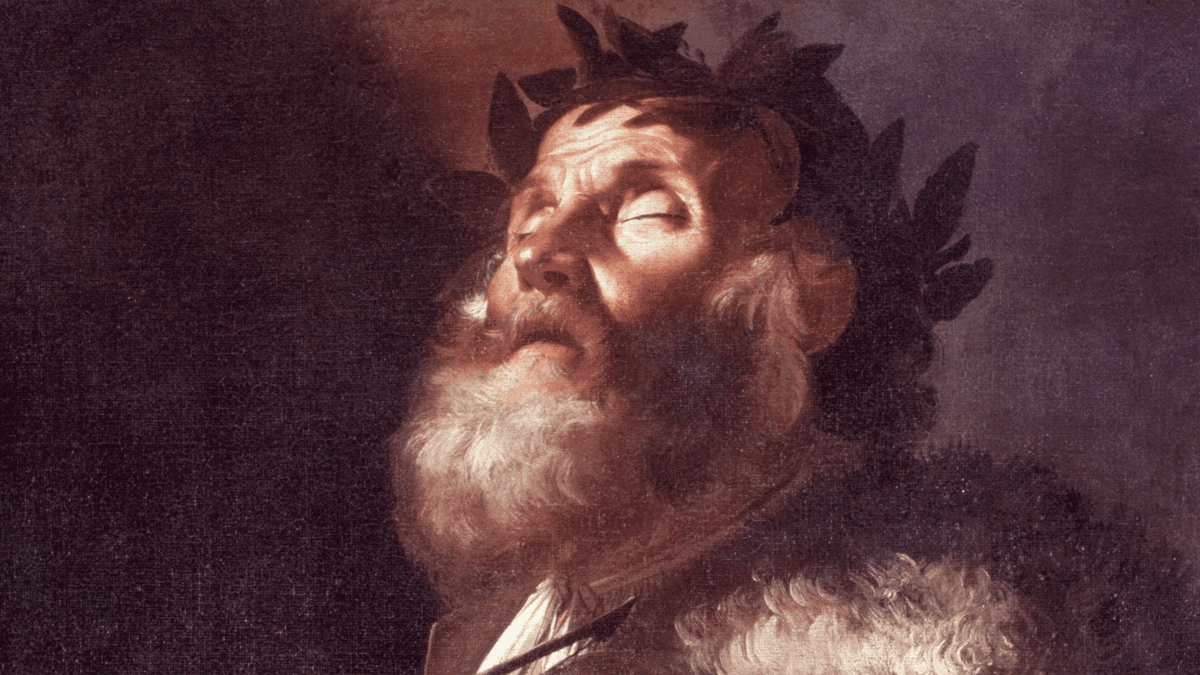
Homer
Homer was an ancient Greek poet whose epic stories helped shape storytelling, education, and culture for thousands of years.
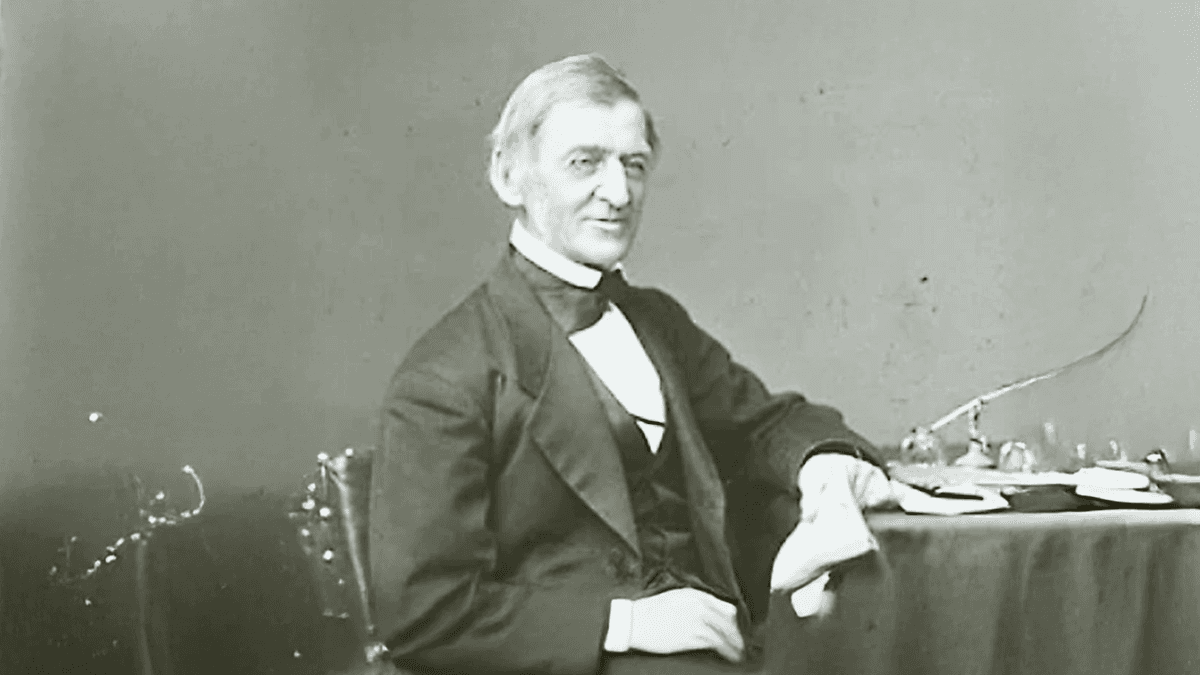
Ralph Waldo Emerson
Ralph Waldo Emerson was a writer, philosopher, and public thinker who urged Americans to trust themselves, think independently, and find truth through nature and lived experience.
Further Reading
Stay curious!