

William Shakespeare
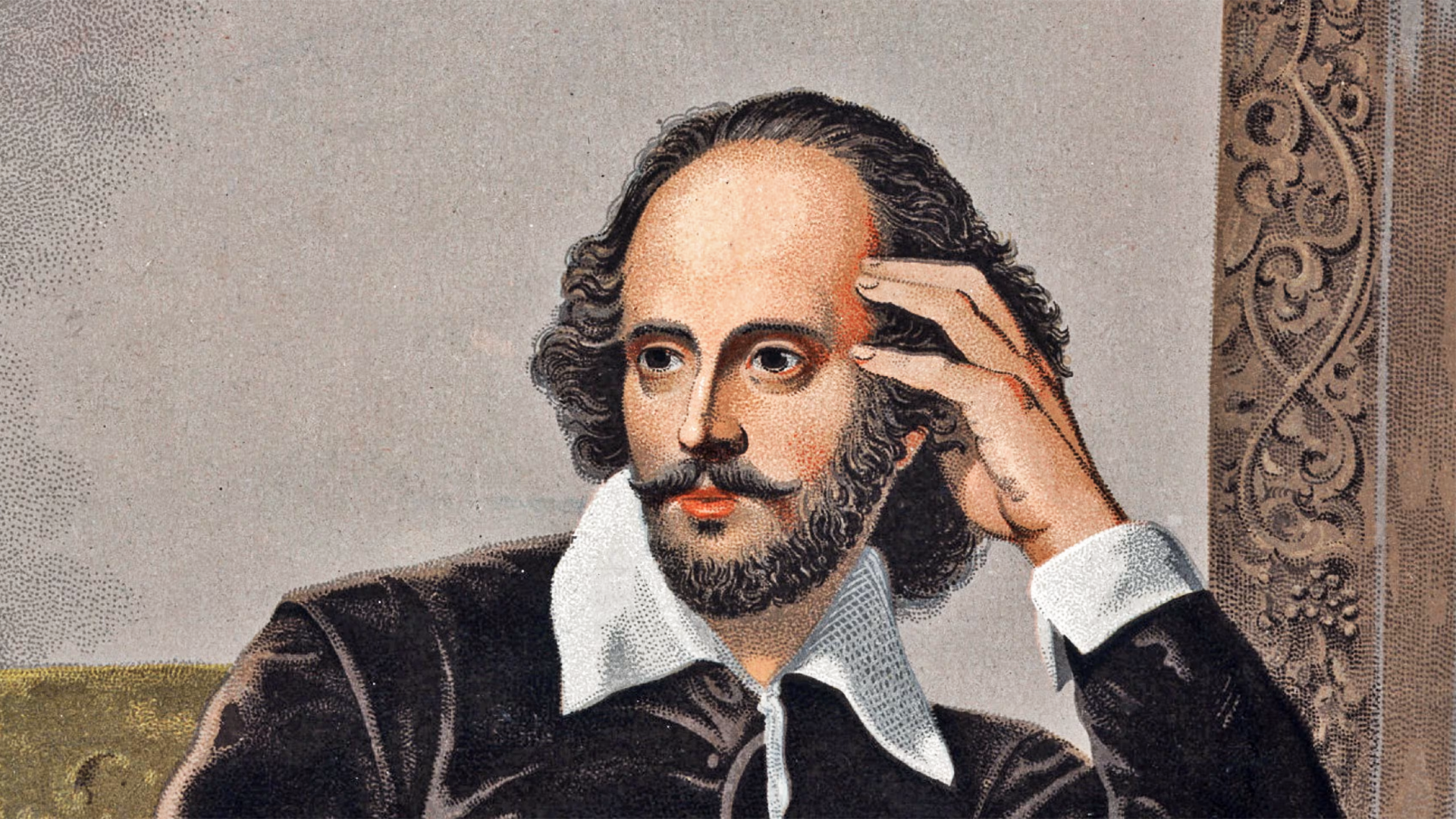
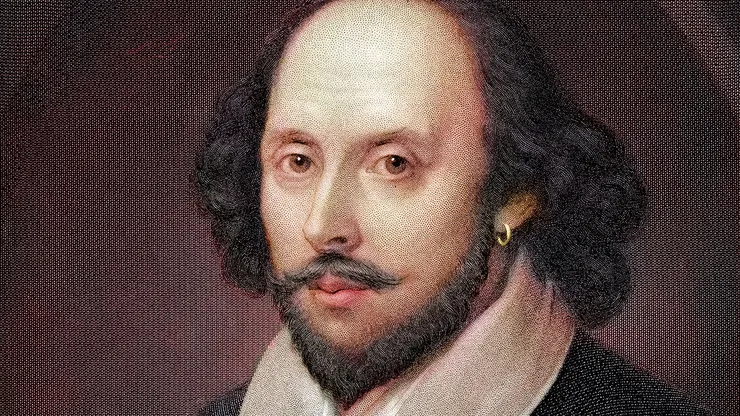
Portrait of William Shakespeare
Biography
There are some people whose words travel through time—and then there is William Shakespeare. Born over 450 years ago, Shakespeare didn’t just write stories. He helped us understand what it means to be human. Love, jealousy, ambition, fear—he explored it all, and somehow, his words still feel alive today.
William Shakespeare was born in 1564 in Stratford-upon-Avon, England. His father, John Shakespeare, was a glove-maker and an important member of the town, and his mother, Mary Arden, came from a respected family. William grew up in a busy household with several siblings. Because of his father’s position, he likely attended a local grammar school, where he learned reading, writing, and classical literature—skills that would later shape his incredible career.
At just 18 years old, Shakespeare married Anne Hathaway, who was eight years older than him. Soon after, they had three children: Susanna, and twins Hamnet and Judith. Tragically, Hamnet died at the age of 11, a loss that many believe may have influenced some of Shakespeare’s later, more emotional works.
Sometime after the birth of his children, Shakespeare left Stratford and traveled to London. This period is often called his “Lost Years” because historians are not exactly sure what he did. But by 1592, he had made a name for himself in the London theater scene. He became an actor and a writer, and he joined a company called the Lord Chamberlain’s Men, which later became known as the King’s Men under King James I.
In London, Shakespeare began writing at an incredible pace. Over his lifetime, he wrote about 38 plays, 154 sonnets, and several long poems. His plays included powerful tragedies like Hamlet and Macbeth, joyful comedies like A Midsummer Night’s Dream, and moving romances like The Tempest. His stories were performed at famous theaters like the Globe Theatre, where audiences from all walks of life came to watch.
What made Shakespeare special wasn’t just how much he wrote—it was how deeply he understood people. His characters feel real because they struggle with real emotions. In one of his most famous lines, he wrote, “All the world’s a stage, and all the men and women merely players.” In other words, life itself is like a play, and we all have roles to perform.
Shakespeare’s success allowed him to become wealthy. He bought a large home called New Place in Stratford and invested in land. Even though he worked in London, he stayed connected to his hometown and likely traveled back and forth throughout his life.
After years of writing and performing, Shakespeare returned to Stratford later in life. He died on April 23, 1616, at the age of 52. After his death, his friends and fellow actors gathered his plays and published them in a book called the First Folio. Without this effort, many of his plays might have been lost forever. Today, his works are still read, studied, and performed all over the world.
William Shakespeare’s work helps us understand what it means to be human. His stories explore emotions and choices that people still face today—love, ambition, jealousy, and justice. Even though he lived hundreds of years ago, his writing continues to shape books, movies, and conversations around the world. Shakespeare also helped expand the English language, introducing new words and ways of expressing ideas. His work reminds us that storytelling is not just about entertainment—it is about connection, empathy, and understanding. When we read Shakespeare, we are not just reading history—we are learning how to better understand ourselves and others.
?
Dig Deeper
Learn about the life and legacy of one of the most famous writers in history.
Explore one of Shakespeare’s most famous plays and its deeper meaning.
Discover more
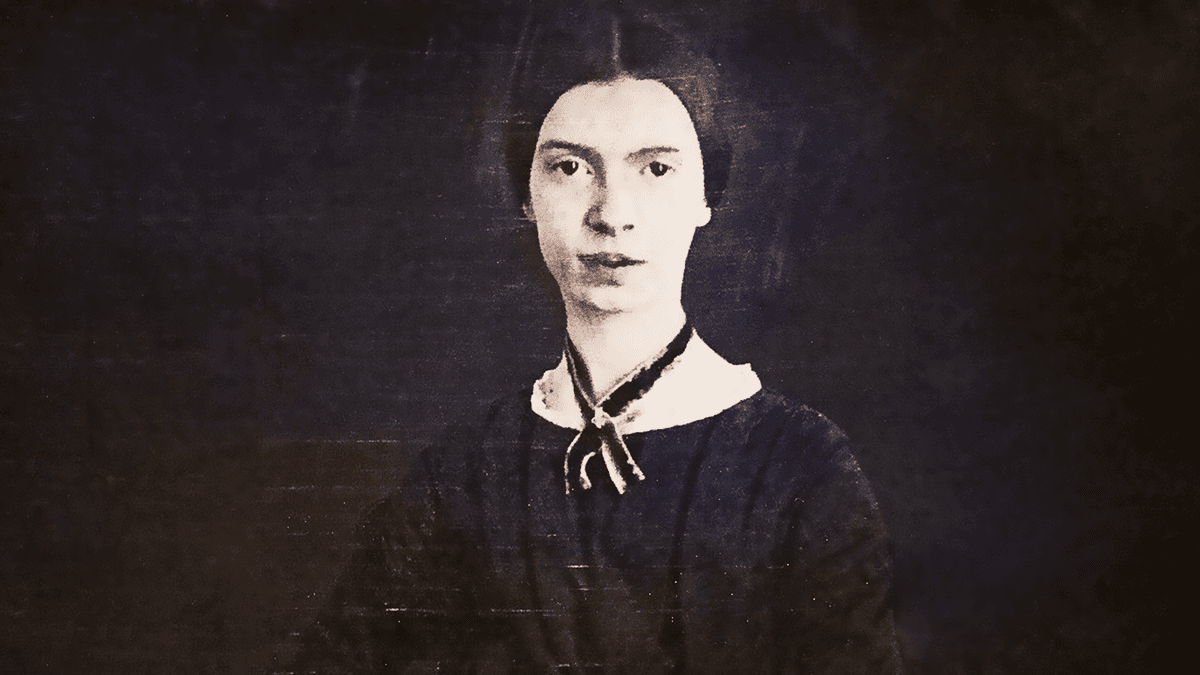
Emily Dickinson
Emily Dickinson was a groundbreaking American poet who changed how people think about poetry, language, and the inner world.
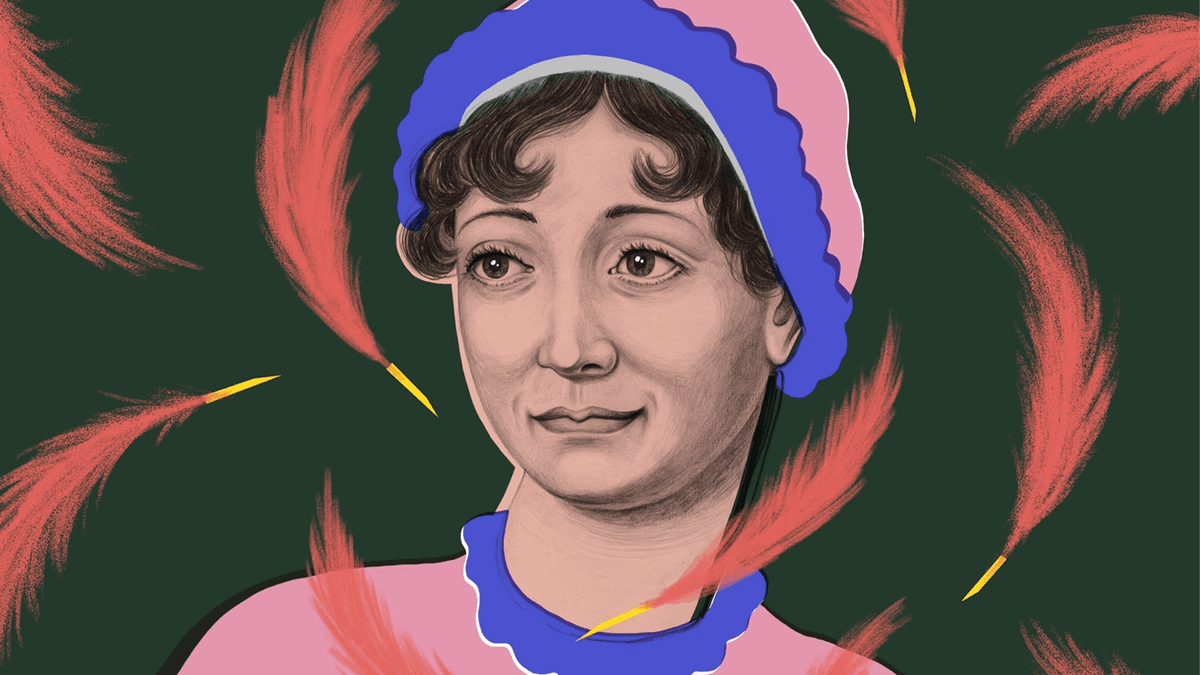
Jane Austen
Jane Austen was a groundbreaking English novelist whose sharp wit and realistic stories changed literature forever.
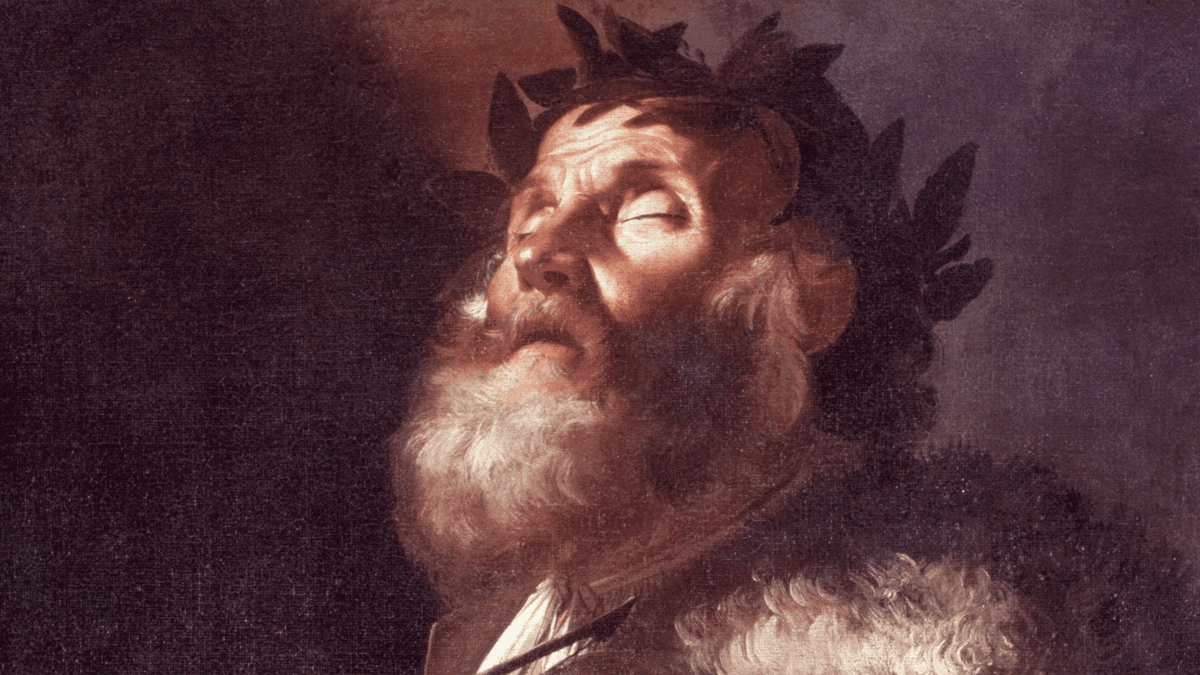
Homer
Homer was an ancient Greek poet whose epic stories helped shape storytelling, education, and culture for thousands of years.
Further Reading
Stay curious!