

Homer
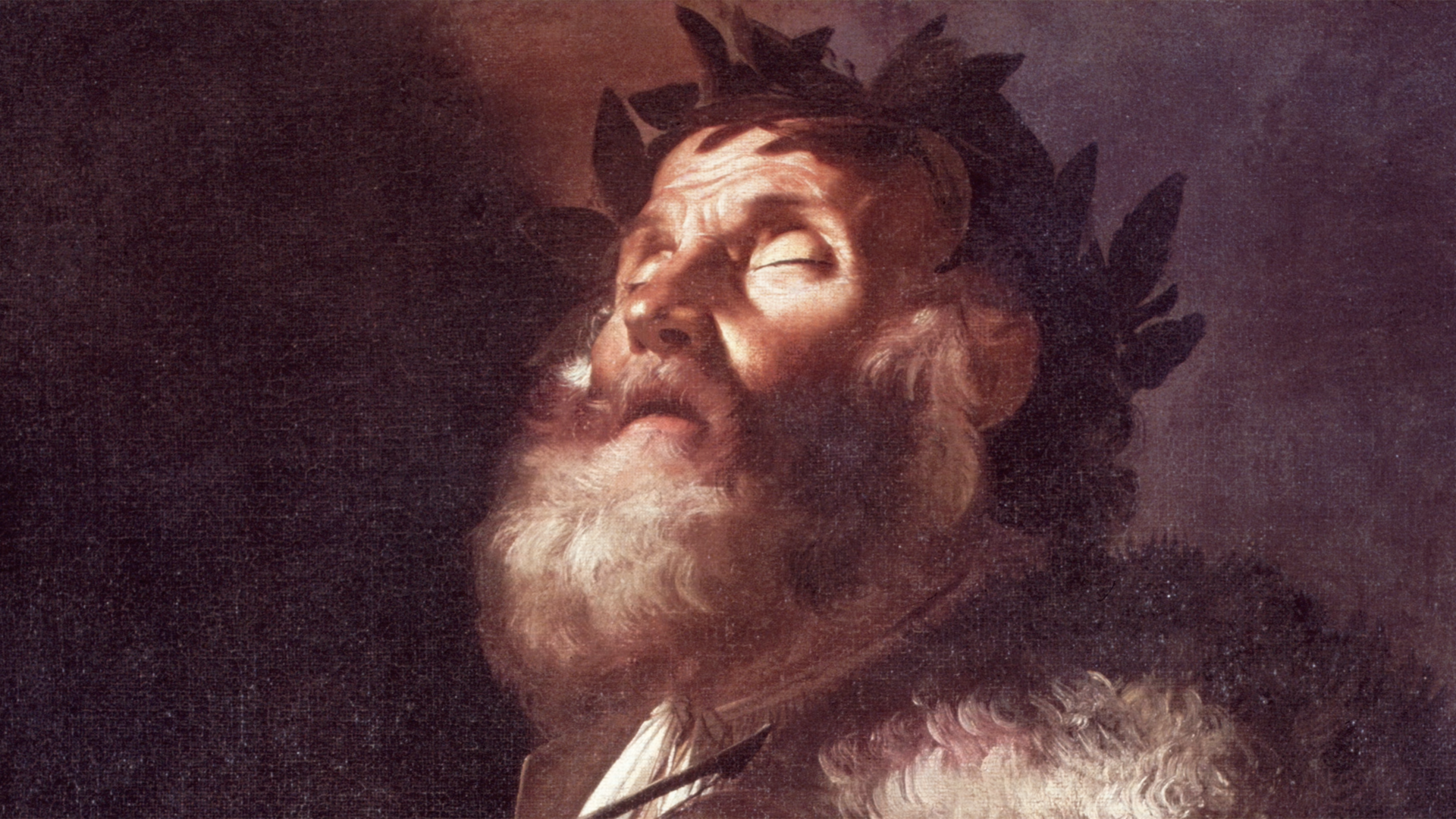
Ancient Greek poet Homer
Biography
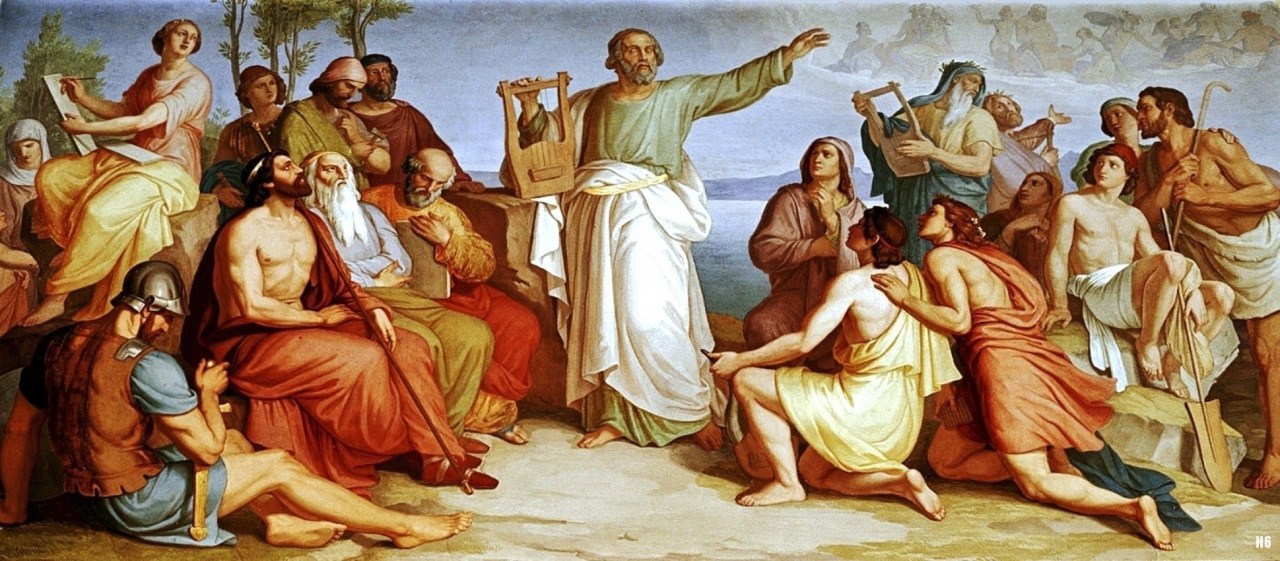
Long before before books, before stories were written down, people gathered around to listen—to hear tales of heroes, monsters, and long journeys. At the center of this ancient storytelling world stands a mysterious figure named Homer. We don’t know exactly who Homer was, or even if he was one person at all. But the stories connected to his name—especially the epic poems The Iliad and The Odyssey—have shaped how people understand courage, adventure, and what it means to be human for thousands of years.
Homer is believed to have lived around the 8th or 9th century BCE, likely in a region called Ionia, near what is now Turkey. At that time, stories were not written down the way they are today. Instead, poets called “singers” would memorize long tales and perform them out loud for audiences. Homer was probably one of these singers. His poems were passed down by word of mouth for generations before they were ever written down, which helps explain why so little is known about his life.
Even though Homer himself remains a mystery, the stories linked to him are anything but. The Iliad tells the story of the Trojan War, focusing on the anger and bravery of warriors like Achilles. The Odyssey follows the long and dangerous journey of Odysseus as he tries to return home after the war. Along the way, he faces monsters, powerful gods, and impossible choices. These stories are exciting, but they are also filled with lessons about loyalty, pride, patience, and perseverance.
Homer’s poems were more than just entertainment for the ancient Greeks—they were a guide for life. People memorized them, studied them, and used them to learn about values like honor and responsibility. For many years, these stories helped shape Greek education and culture. Later, they influenced other writers, including the Roman poet Virgil, and played an important role in the Renaissance, when people in Europe began rediscovering classical ideas.
One of the most fascinating things about Homer is that we still don’t have all the answers. Some people believe he was a single, gifted poet. Others think “Homer” might be a name used for a group of storytellers who built these poems over time. There are even stories that Homer was blind, inspired by characters like Demodocus, a blind singer in The Odyssey. While we may never know the full truth, this mystery is part of what makes Homer so interesting.
Homer’s importance doesn’t come from what we know about his life—it comes from the stories he helped create. His poems remind us that even in a world filled with gods and monsters, the most powerful struggles are often human ones: facing fear, making hard choices, and finding your way home. Thousands of years later, we are still listening, still learning, and still seeing ourselves in those ancient words.
Homer helped shape the way humans tell stories. His work shows that storytelling is not just about entertainment—it is about passing down knowledge, values, and shared experiences. The themes in his stories—courage, pride, loyalty, and perseverance—are still relevant today. His poems influenced education, culture, and literature for thousands of years, helping to build the foundation of Western storytelling. Homer also reminds us that great ideas can come from simple beginnings, like a voice sharing stories with an audience. His legacy teaches us that stories have the power to connect people across time, helping us understand both the past and ourselves.
?
Dig Deeper
Learn about the story of Odysseus and why The Odyssey is still important today.
Explore the myths and possible real-world inspirations behind The Odyssey.
Discover more
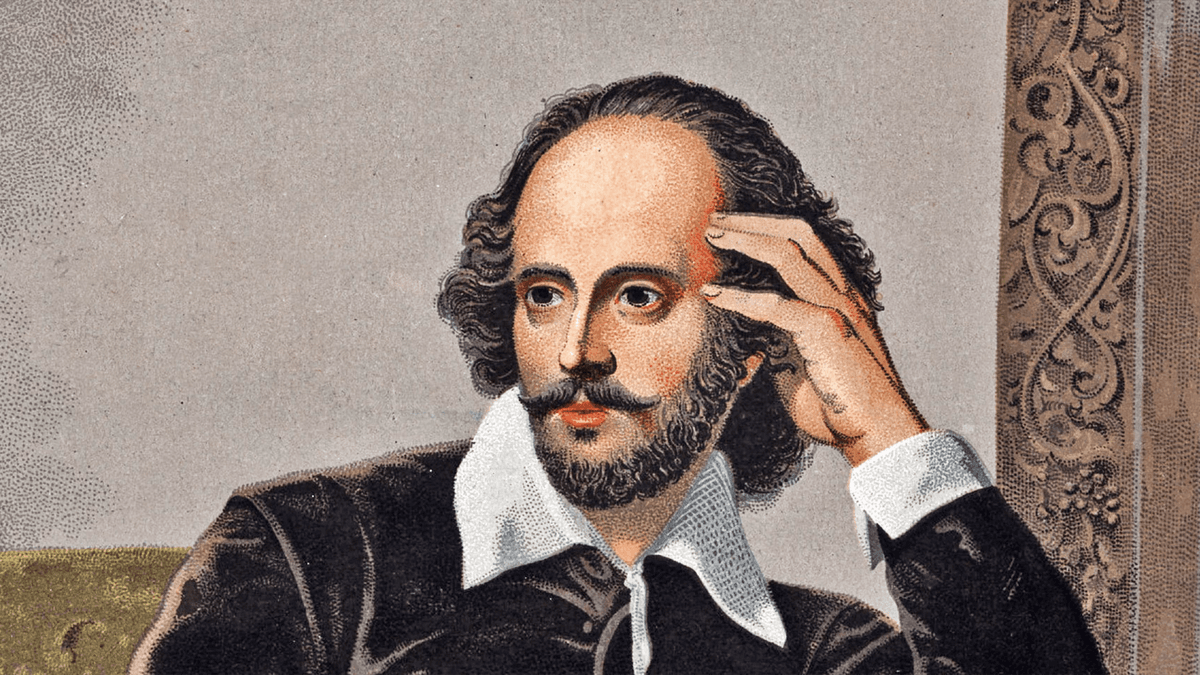
William Shakespeare
William Shakespeare was one of the greatest writers in history, known for plays and poems that still shape storytelling today.
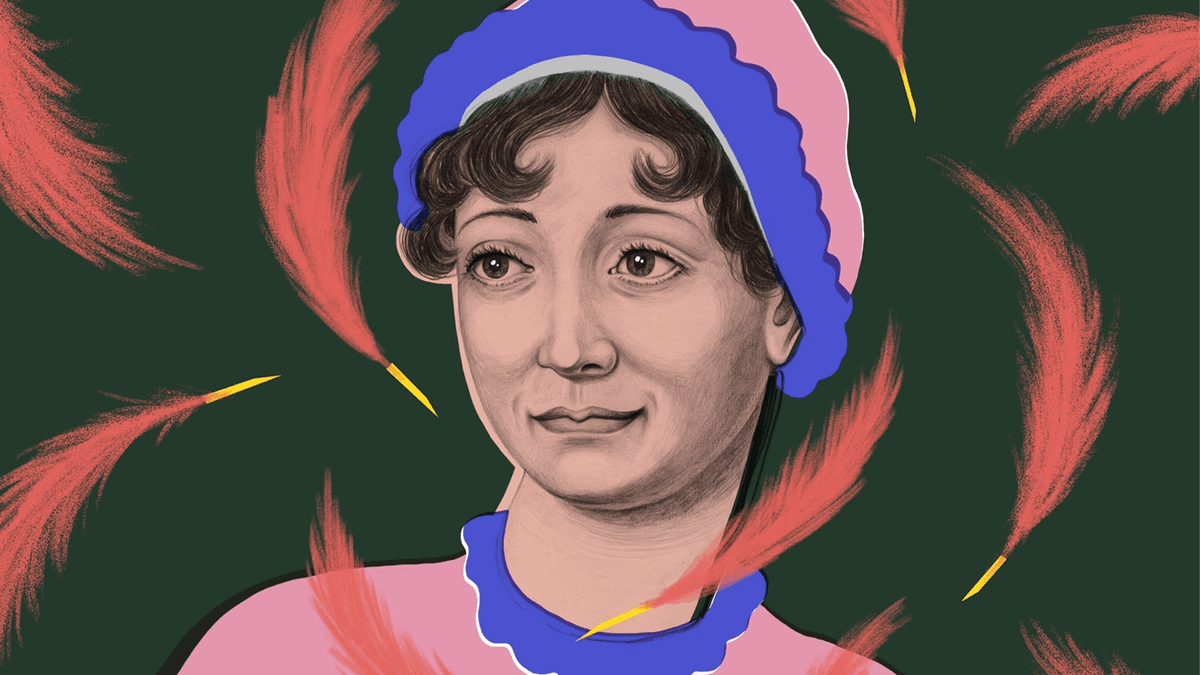
Jane Austen
Jane Austen was a groundbreaking English novelist whose sharp wit and realistic stories changed literature forever.
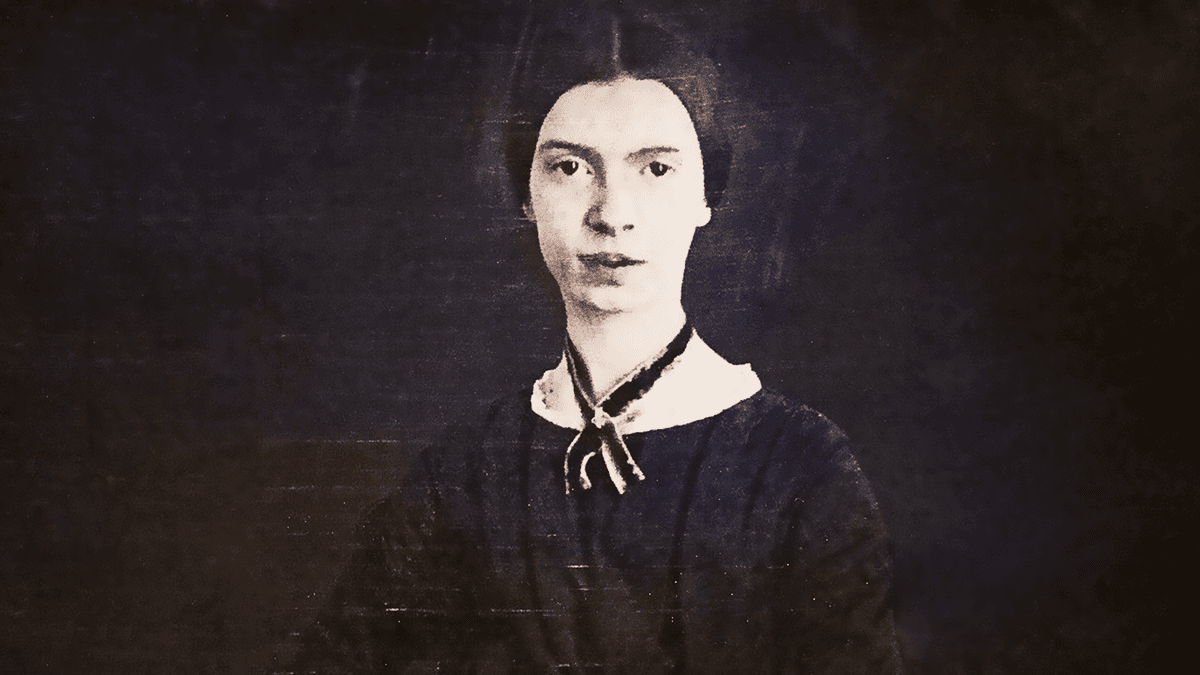
Emily Dickinson
Emily Dickinson was a groundbreaking American poet who changed how people think about poetry, language, and the inner world.
Further Reading
Stay curious!